Lives Of The Saints
November 5
St. Elizabeth, Mother of John the Baptist
Quick answer
At a glance
- What it is
- Elizabeth, mother of John the Baptist, is known principally through Luke's infancy narrative, where her recognition of the Virgin at the Visitation.
- Feast
- November 5
- Source
- Butler's Lives of the Saints, Volume IV (October-November-December), November 5, St Elizabeth, Mother of St John the Baptist, Christian Classics 1990, pp. 257–259. Read the source standards.
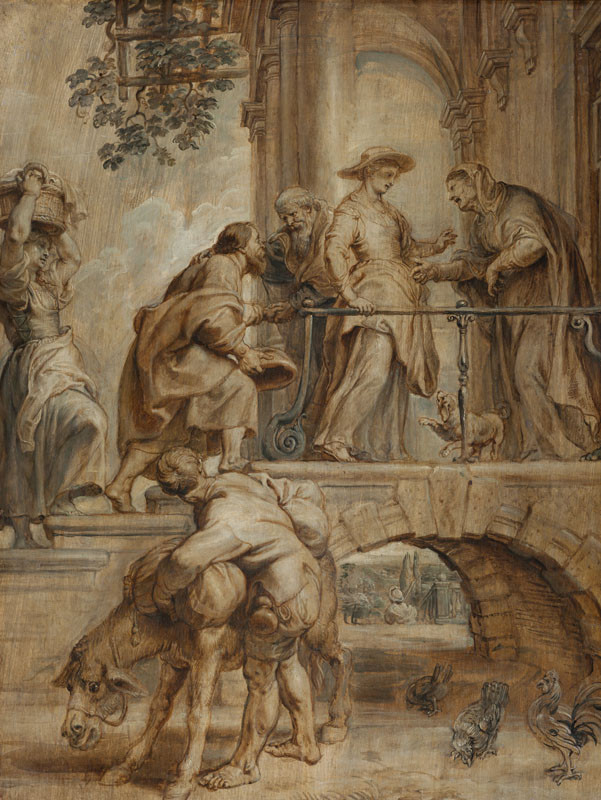
The Visitation, Peter Paul Rubens, c. 1611-1614
Brief life
Elizabeth, the mother of John the Baptist, appears in the New Testament with a specificity and depth that set her apart from most biblical supporting figures. Luke gives her a priestly lineage — she was of the daughters of Aaron, a descendant of the house of Levi — and identifies her as the wife of Zachary, a priest of the division of Abijah who served at the Temple in Jerusalem. Her kinship with the Virgin Mary — the exact degree is not specified, though Luke uses a term that could mean cousin — gives her the central role in the scene of the Visitation, one of the theologically richest passages in the infancy narratives.
The Visitation — the pregnant Elizabeth receiving the pregnant Virgin, the child leaping in Elizabeth's womb at the approach of the mother of God, Elizabeth's recognition of what was happening and her greeting to Mary: Blessed are you among women, and blessed is the fruit of your womb — gives Elizabeth a prophetic character. She speaks under the influence of the Holy Spirit, Luke says, and what she says is recognition: the recognition of the presence of the Incarnate Word in the womb of her kinswoman, which she could not have known by natural means. In this moment she stands as a prophetess in the tradition of the Old Testament prophetesses, and as the first person to address the Virgin Mary with language of blessing.
The tradition records almost nothing about Elizabeth after the birth of John and the recovery of Zachary's speech at the naming ceremony — Zachary's Benedictus being the theological commentary on everything that has happened. The tradition that Elizabeth fled with the infant John into the wilderness to protect him from Herod's massacre of the innocents, while Zachary remained and was killed at the Temple steps, is found in various apocryphal sources, and cannot be endorsed. What Luke shows is clear enough: a woman devout, humble, and generous in joy at another's greater calling.
Next step
St. Elizabeth Novena
A novena connected to this saint is in the library.
Keep reading
Nearby saint lives
Move through the calendar without leaving the saint library. These nearby feast-day lives help keep the reading trail connected.
Pray with this saint
Carry this saint into prayer
If this life stirred a particular need, keep going with the closest prayer links in the library.