Lives Of The Saints
August 16
St. Roch
Quick answer
At a glance
- What it is
- Roch is remembered as a pilgrim who tended plague victims until he was stricken himself.
- Feast
- August 16
- Source
- Butler's Lives of the Saints, Volume III (July-August-September), August 16, St Rock, Christian Classics 1990, p. 338. Read the source standards.
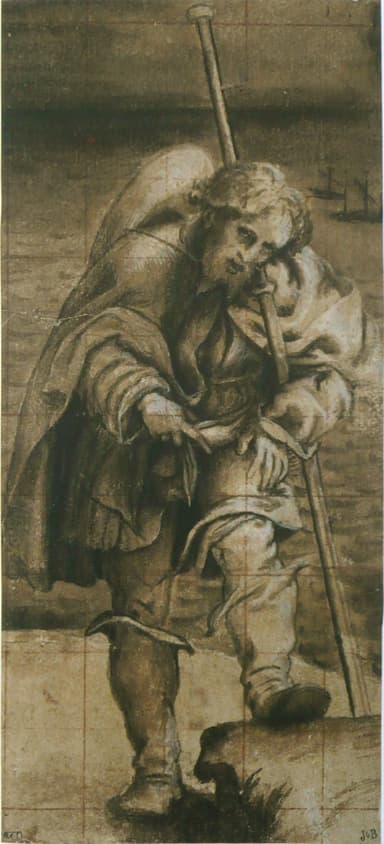
Saint Roch, Lorenzo Lotto
Brief life
Roch, also called Rock or Rocco, became one of the best-loved patrons of the sick and of communities threatened by plague. The traditional account makes him the son of the governor of Montpellier. Orphaned while young, he distributed his goods, took the pilgrim's habit, and set out for Rome. Finding Italian towns stricken by plague, he stopped to tend the sick rather than pass them by. The same charity eventually cost him his own health.
Tradition remembers Roch withdrawing when he became ill and receiving food through the providential care of a dog that brought him bread. The details of his life vary, and the earliest written account came well after his death, so this life does not force an exact chronology. The firm devotional fact is the early strength of his cult in France and Italy and the enduring confidence with which Christians invoked him in times of epidemic. Roch's feast therefore keeps its attention on mercy: he approached sufferers others feared, shared their danger, and became a patron for the sick and for those who care for them.
Historical note
The printed heading uses “St. Rock”; this page uses the common spelling “St. Roch.”
This life notes that the written life is late, while the saint’s early cult in France and Italy is firmly established.
Next step
Novena to St. Roch
A novena connected to this saint is in the library.
Keep reading
Nearby saint lives
Move through the calendar without leaving the saint library. These nearby feast-day lives help keep the reading trail connected.
Pray with this saint
Carry this saint into prayer
If this life stirred a particular need, keep going with the closest prayer links in the library.