Our Lady
Our Lady of Lourdes
Quick answer
At a glance
- What it is
- Explore the feast, history, traditional devotion, and novena of Our Lady of Lourdes, observed February 11.
- Often prayed for
- Marian devotions, Healing, Protection and deliverance, Virtue and perseverance
- Suggested start
- Feast is February 11. The novena begins February 2.
- Feast
- February 11
- Source
- Butler, The Appearing of Our Lady at Lourdes, February 11. Catholic Encyclopedia, St. Bernadette Soubirous. Read the source standards.
The Story
The Story of Our Lady of Lourdes
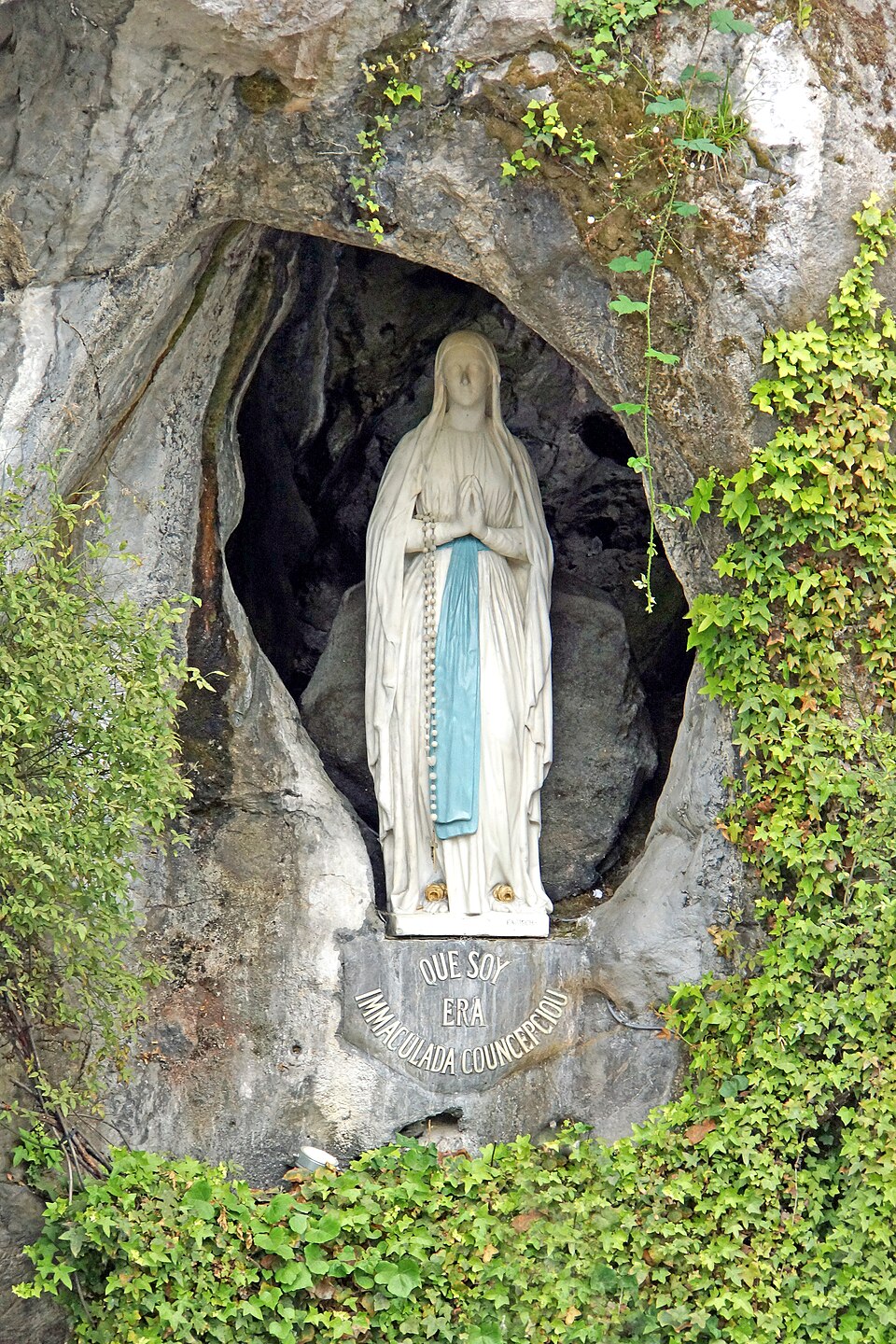
The story of Our Lady of Lourdes begins with a poor girl at a rough grotto. Bernadette Soubirous was fourteen, sickly, badly schooled, and from a family that had known real poverty. On February 11, 1858, while gathering firewood near Massabielle, she saw a lady in the hollow of the rock. The visits continued over the following months. Bernadette did not become impressive by telling the story. She became more exposed. People questioned her, doubted her, followed her, mocked her, and pressed her for details. The event was tested almost from the beginning because the messenger was weak and the claim was enormous.
The Lady asked for prayer and penance. She told Bernadette to drink and wash at a spring that was not yet obvious, and Bernadette dug in the mud while onlookers laughed. Water came. Pilgrims came. The request for a chapel followed. Still the center was not spectacle. The center was conversion: prayer, penance, procession, and a church built where God had chosen to give grace through Mary. When Bernadette asked the Lady's name, the answer came in words a poor girl would not have invented for effect: I am the Immaculate Conception.
That name tied Lourdes to the dogma solemnly defined only four years earlier by Pius IX. It also tied the grotto to the deeper mystery of Mary's holiness, not as ornament, but as a sign of what grace can do. Lourdes became known for healings, and the sick have always been drawn there, but the healings are not the whole story. Bernadette herself was not spared suffering. She later entered religious life at Nevers and disappeared from the public center of the devotion. That hidden ending protects the meaning of Lourdes. Our Lady did not come to make a celebrity. She came to call sinners, strengthen the sick, and lead souls to Christ through prayer, penance, and trust.
The grotto keeps that message honest. It is stone, water, candles, crowds, and the sick brought close to hope. Lourdes is gentle, but not vague. It asks the body to wash and the soul to repent. It gives the suffering a place without promising that every suffering will end at once. The familiar sight of the white figure in the rock of Massabielle works because it gathers the whole devotion into one image: Mary standing where poverty, sickness, and grace meet.
For that reason Lourdes is best prayed with humility. The pilgrim comes as Bernadette came: small, needy, and unable to command the gift. Mary points to Christ, and the water reminds the soul that grace can begin in what looked like mud.
The Devotion
The attached practice
The devotion is tied to prayer, penance, pilgrimage, care for the sick, and confidence in Our Lady under the name she gave at Massabielle: the Immaculate Conception.
The Intentions
Common intentions
The Novena