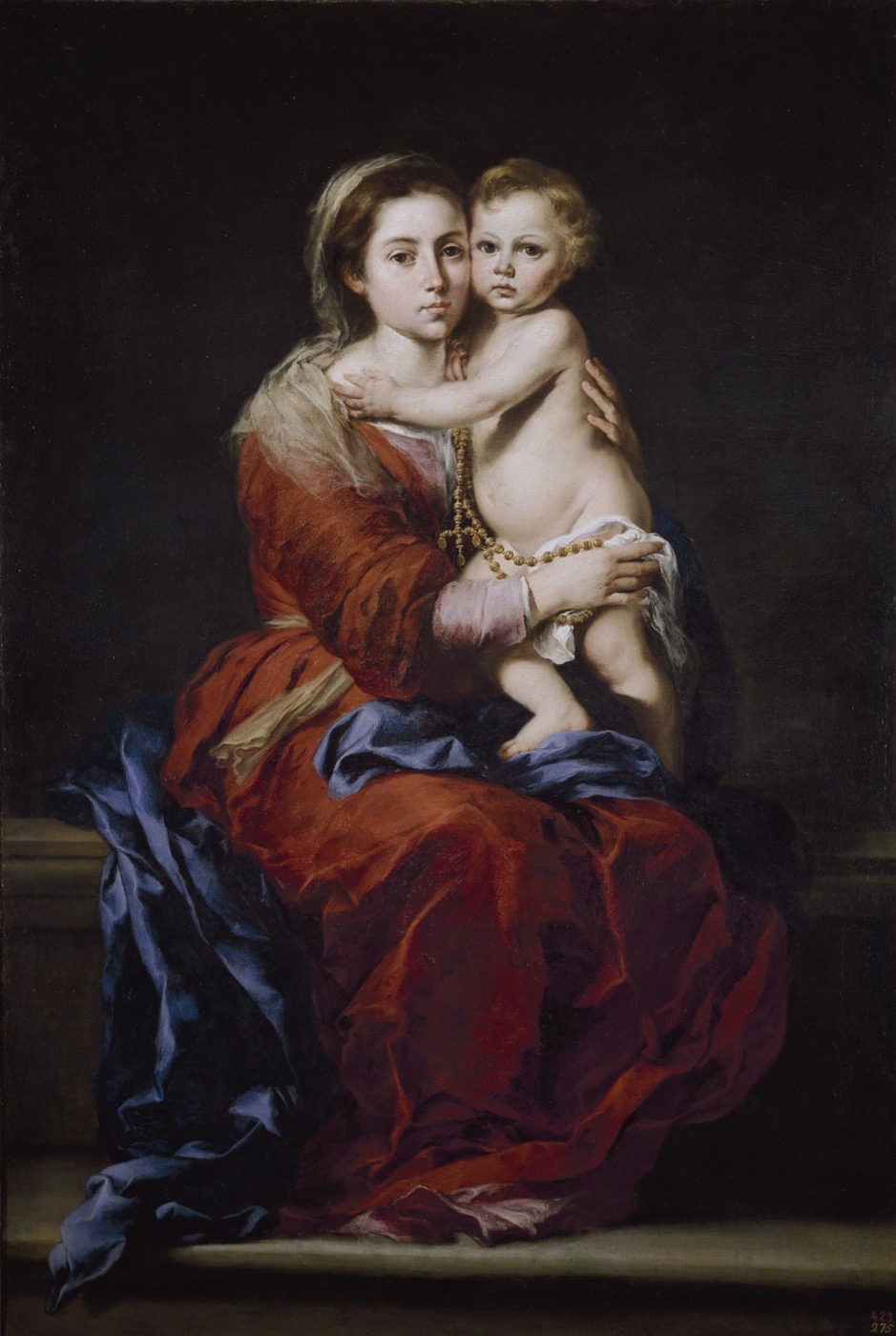
Our Lady
Our Lady of the Rosary
Quick answer
At a glance
- What it is
- Explore the feast, history, traditional devotion, and novena of Our Lady of the Rosary, observed October 7.
- Often prayed for
- Marian devotions, Protection and deliverance, Family and marriage, Virtue and perseverance
- Suggested start
- Feast is October 7. The novena begins September 28.
- Feast
- October 7
- Source
- Catholic Encyclopedia, The Rosary. Catholic Encyclopedia, Feast of the Holy Rosary. Read the source standards.
The Story
The Story of Our Lady of the Rosary
Our Lady of the Rosary is a feast of prayer and deliverance. The Rosary itself is simple: Our Fathers, Hail Marys, Glory Bes, and meditation on the mysteries of Christ. Its simplicity is why it survives. A scholar can pray it for doctrine. A child can pray it by trust. A dying man can hold it when other words fail. The older form turns on the Joyful, Sorrowful, and Glorious mysteries, letting the soul pass through the Incarnation, Passion, and Resurrection in Mary's company.
The feast is tied especially to Lepanto in 1571. As the Christian fleet faced the Ottoman navy, Pope St. Pius V called for the Rosary. The victory was received as a mercy obtained through Our Lady's intercession, and the feast of Our Lady of Victory was established. Later it became the Feast of the Holy Rosary. That history matters because it shows the Rosary as more than private comfort. It was carried into public fear, public danger, and public thanksgiving.
At the same time, the devotion should be historically clean. The Dominican tradition rightly holds a privileged place in spreading and shaping the Rosary, but the exact development of the prayer took time. Its power does not depend on forcing every later detail into one moment. The Rosary is great because it keeps returning the soul to Christ. Mary lends her words, her memories, and her maternal steadiness. The feast on October 7 invites the faithful to take up the beads not as a charm, but as a school of perseverance, contemplation, and confidence in Our Lady's help.
The repeated Hail Marys are not meant to replace meditation. They make room for it. The hands move, the lips pray, and the mind returns again to Christ: conceived, born, offered, suffering, dying, risen, and glorified. That is why the Rosary belongs in homes, hospitals, processions, battlefields, and bedside vigils. It is portable contemplation. Our Lady of the Rosary teaches that the Church can be defended by prayer that looks small and repetitive, because the mysteries it holds are inexhaustible.
The title also has a domestic strength. A family that prays the Rosary may not feel heroic; it may feel distracted and tired. Yet bead by bead, the mysteries teach memory, repentance, and hope. Our Lady of the Rosary forms perseverance in ordinary rooms before it appears in public victories. The beads make fidelity visible and give tired hands something holy to hold.
The Devotion
The attached practice
The devotion is the Rosary itself: persevering meditation on the mysteries of Christ in the company of His Mother.
The Intentions
Common intentions
The Novena