June 1
St. Angela Merici
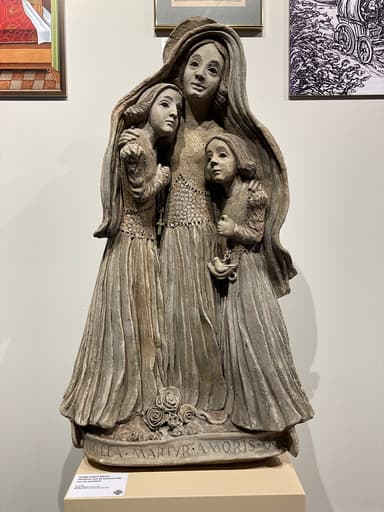
Angela Merici was contemplative, practical, and unexpectedly original. Her holiness stayed rooted in prayer and sacrifice, but it flowered in a new way of forming girls and gathering women for real service in the Church.
Lives Of The Saints
Browse the saints listed for June. Each entry links to the full life.
Showing 38 saints grouped by feast month.
38 saints listed
June 1
Angela Merici was contemplative, practical, and unexpectedly original. Her holiness stayed rooted in prayer and sacrifice, but it flowered in a new way of forming girls and gathering women for real service in the Church.
June 2
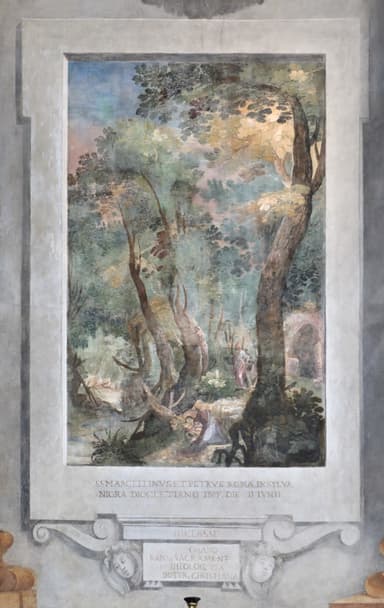
Marcellinus and Peter are remembered not because a later legend made them vivid, but because Rome never let them disappear.
June 2
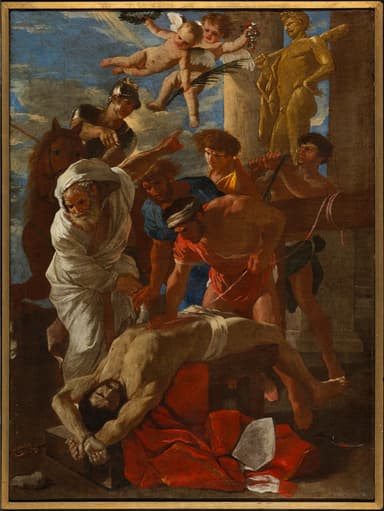
Erasmus of Formiae comes to us with an honest acknowledgment that his famous passio — the windlass story — is entirely legendary, likely derived from a misread artistic image.
June 2
Bernardino Realino was a Jesuit lawyer-turned-priest who spent forty-two years in Lecce, where the combination of legal intelligence and pastoral patience made him indispensable to the city — to its poor, its sick, its merchants in the confessional, and ultimately to its magistrates who came to his deathbed to ask him not to die.
June 3
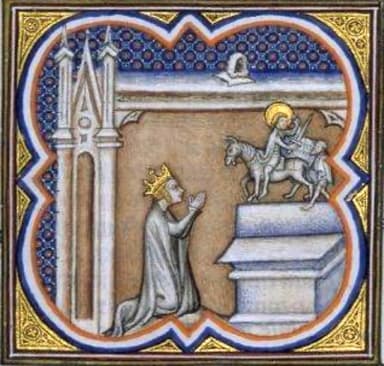
Clotilda was the queen who influenced Clovis and is remembered as a Christian wife and mother whose later life was marked by grief, prayer, mercy, and remarkable endurance.
June 3
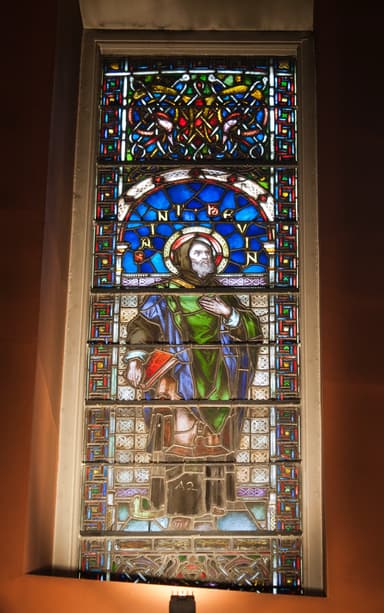
Kevin of Glendalough was a hermit who became a founder against his inclinations — the solitary who drew disciples by his very withdrawal, and whose cave on the upper lake at Glendalough grew into one of the enduring centres of Irish Christianity.
June 4
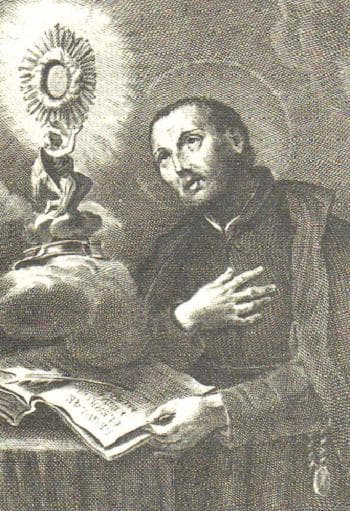
Francis Caracciolo was a founder who never stopped living like the least brother in the house. His life joins penitence, Eucharistic prayer, service to prisoners and the poor, and a real dislike of honors.
June 5
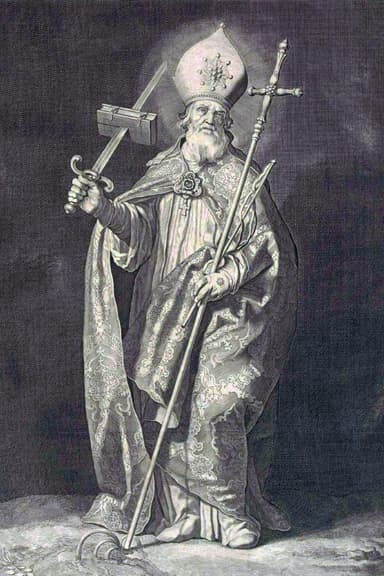
Boniface combined missionary courage with institution-building on a vast scale. He evangelized, reformed, organized, recruited helpers, and still ended where he began: in direct apostolic danger.
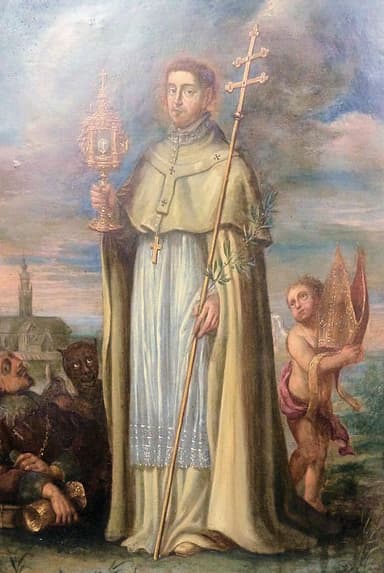
June 6
Norbert was a converted courtier who became a very demanding reformer. His life is full of movement: conversion, poverty, preaching, Premontre, Magdeburg, and a life spent rebuilding what had gone slack.
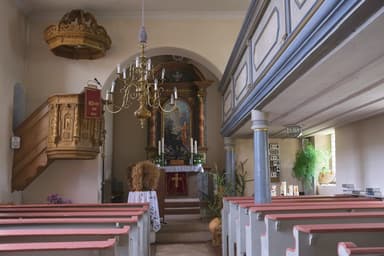
June 7
Willibald's life moves from pilgrimage to stability to mission. What makes him memorable is that the same man who traveled to Jerusalem also spent decades doing the patient local work of building a diocese.
Devotional card
St. Robert of Newminster
June 7
Robert of Newminster was a Yorkshire priest who joined the monks at Fountains and became the first abbot of Newminster. He guided the community in prayer, work and poverty.
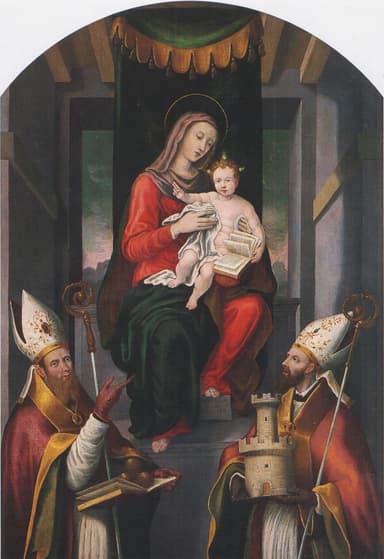
June 8
Medard was a fatherly bishop: still traveling, preaching, and correcting in old age, yet remembered above all for the warmth and goodness that made his people love him.
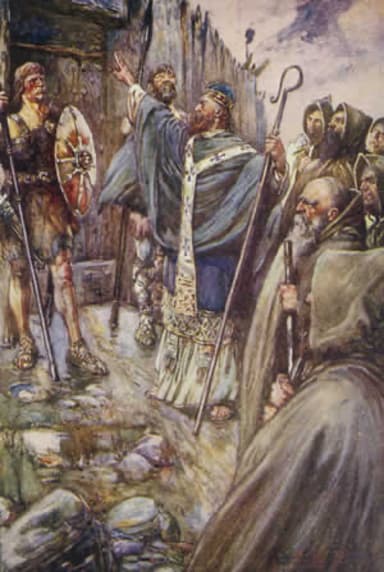
June 9
Columba was a large saint: scholar, missionary, founder, exile, and public churchman. But the most memorable part of his life is how his great strength ripens, by the end, into gentleness and peace.
June 10
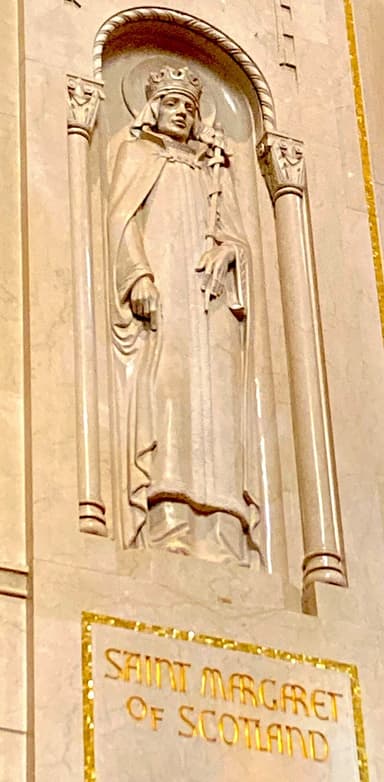
Margaret of Scotland was a queen whose holiness changed both home and kingdom. She reformed, taught, prayed, fasted, mothered, and served the poor without ever letting rank excuse her from sacrifice.
June 11
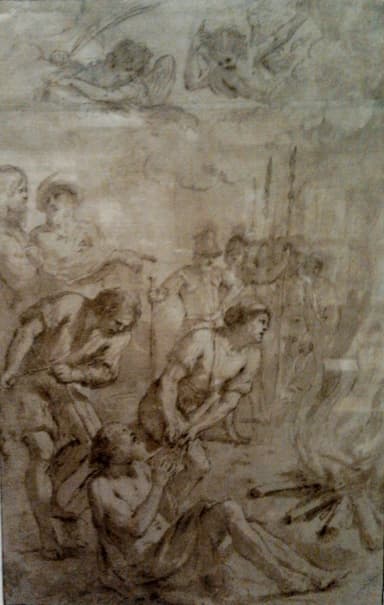
Barnabas stands out as one of the early Church's great encouragers.
June 12
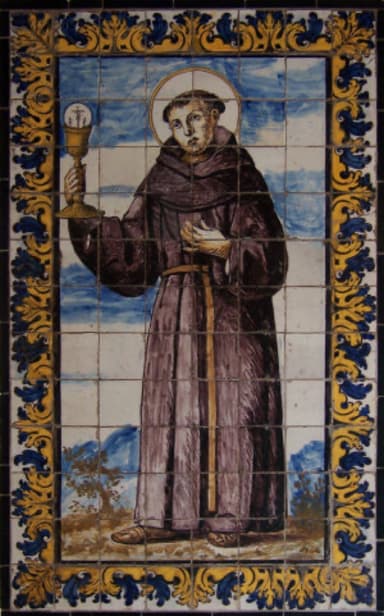
John of Sahagun was a reforming preacher with real backbone. He gave up comfort, studied hard, reconciled enemies, and spoke against scandal even when powerful people struck back.
June 13
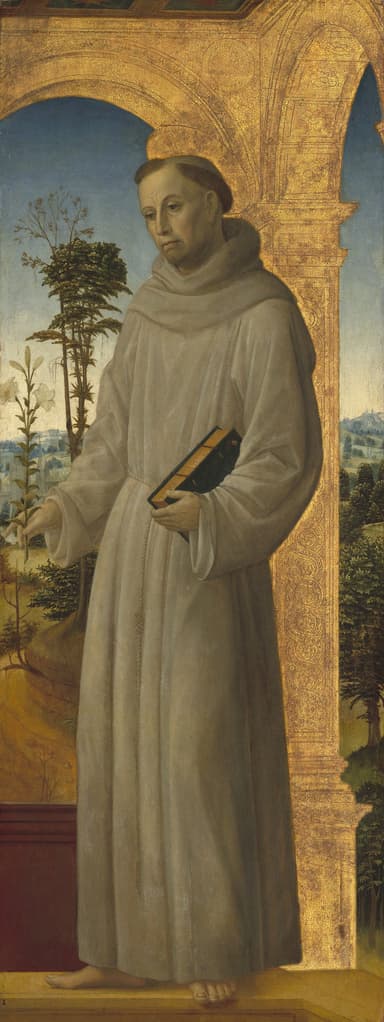
Anthony of Padua was a beloved miracle saint, a scholar turned friar, a hidden man suddenly discovered, and a preacher whose words actually changed public life.
June 14
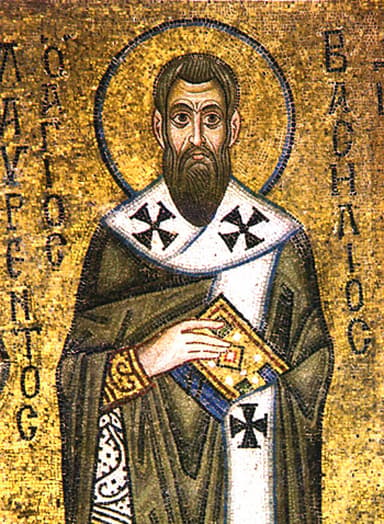
Basil the Great holds truth and mercy together. He is a monk, bishop, theologian, organizer, and defender of the poor, and he never lets doctrine drift away from real Christian life.
June 15
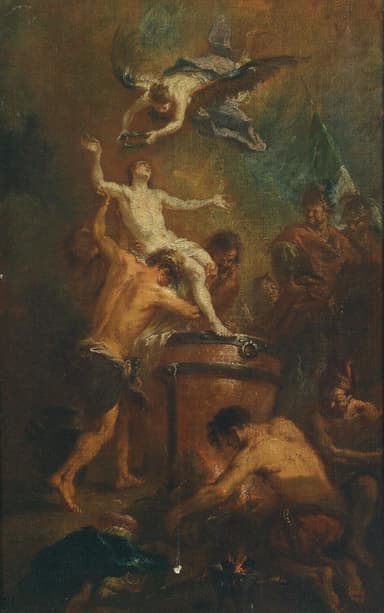
Vitus is a good example of strong devotion resting on a small but real historical core. The martyr cult is ancient and solid; the fuller dramatic story is later and beloved, but not equally certain.
June 15
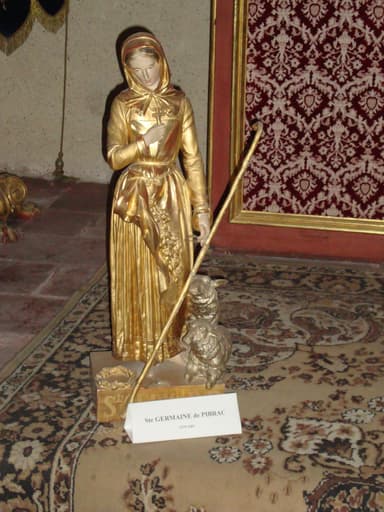
Germaine Cousin was a French shepherd girl who endured neglect and illness with holiness recognized only after her death at twenty-two.
June 16
John Francis Regis was a missionary who never separated preaching from mercy.
June 17
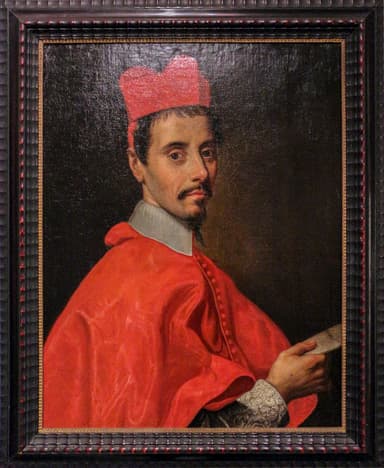
Gregory Barbarigo is remembered as a bishop who turned influence into real pastoral good. He gave lavishly, governed seriously, and built the schools, books, and institutions that helped keep Catholic life strong after him.
June 18
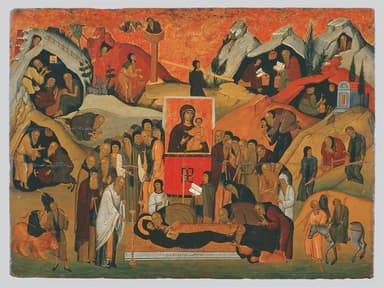
Ephraem joins beauty and seriousness in a rare way. He wrote, sang, taught, defended the faith, and still poured himself out in practical mercy when his people were in need.
June 19
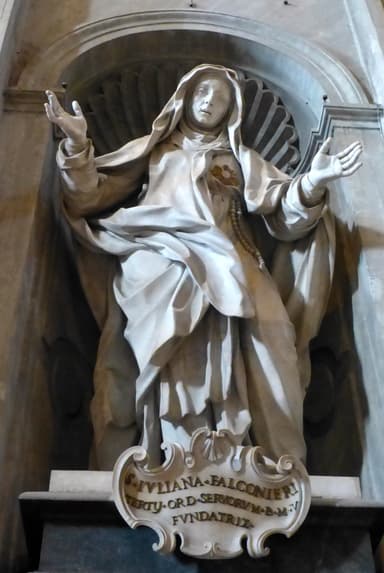
Juliana Falconieri is remembered less for outward drama than for steady holiness. She helped give lasting shape to the Servite women's life and remained a woman of prayer, penance, mercy, and quiet authority to the end.
June 20
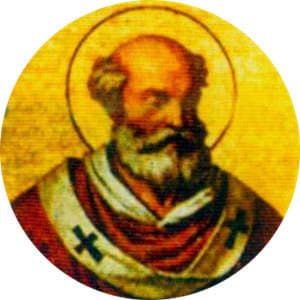
Silverius is remembered as a pope crushed by powers far larger than himself, yet not conquered in conscience.
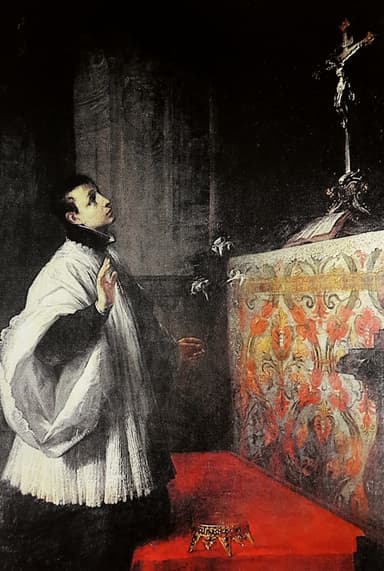
June 21
Aloysius Gonzaga was a young man who really meant his renunciation. He gave up inheritance and court life, accepted hidden obedience, and then spent his last strength serving plague victims.
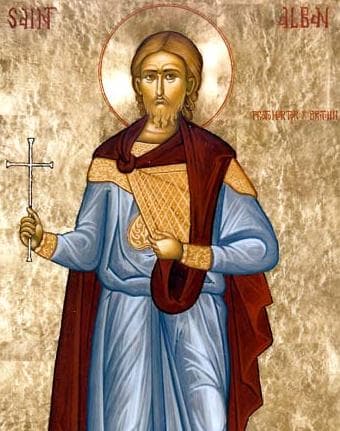
June 22
Alban is best understood by holding devotion and caution together. The full passion story may be enlarged by legend, but the ancient cult and early witness behind it make a real British martyr very likely.
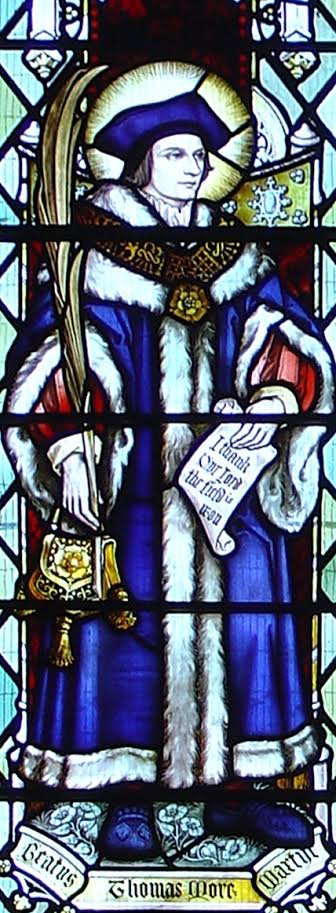
June 22
St. Thomas More (1478-1535) was an English lawyer, husband, father, and Lord Chancellor. He was executed in London after refusing to accept Henry VIII's claim to be head of the Church.
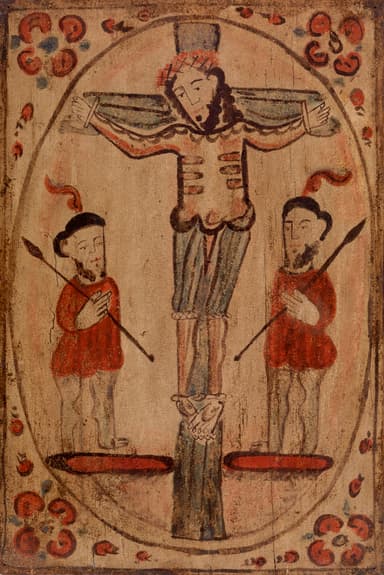
June 22
This June 22 entry concerns the tradition of the Ten Thousand Martyrs on Mount Ararat. Older Catholic scholarship distinguishes their veneration from a life story whose details cannot be reliably reconstructed.
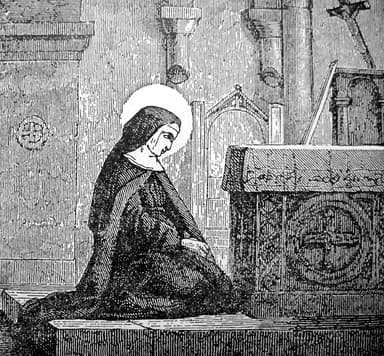
June 23
Etheldreda stands out as a royal woman who would not let politics or marriage break her consecration. She kept her vow, founded Ely, and ruled there with the kind of austere holiness that gave early English monastic life real shape.
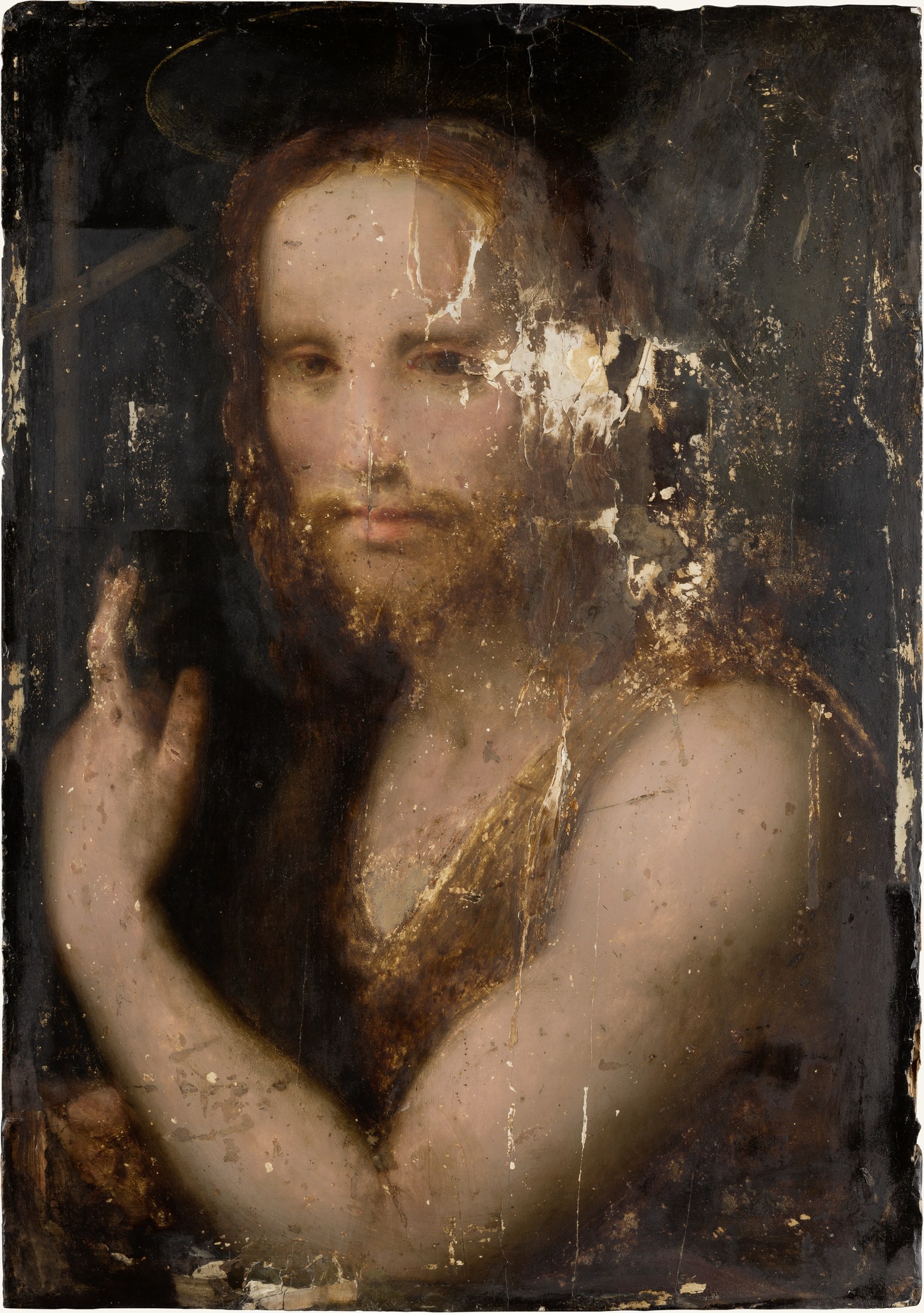
June 24
John’s birth itself is celebrated because his whole life was ordered toward making Christ known.
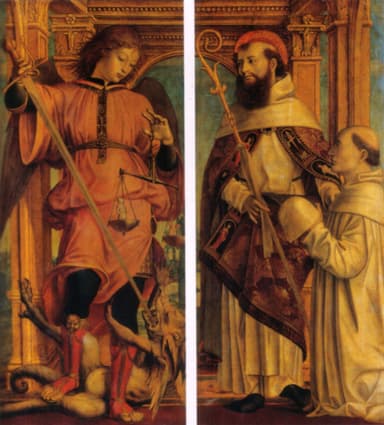
June 25
William of Vercelli was a founder who never quite settled. He kept building communities, handing them on, and moving toward harder ground, as if penance and beginnings mattered more to him than possession or stability.
Devotional card
St. Prosper of Aquitaine
June 25
Prosper of Aquitaine was a Christian writer who defended St. Augustine’s teaching on grace. Butler describes him as a layman and distinguishes him from Prosper, bishop of Orleans.
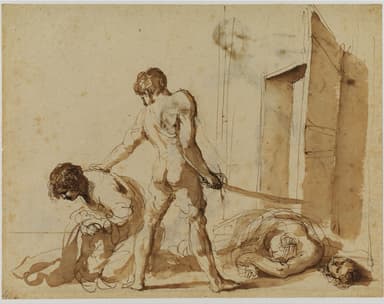
June 26
John and Paul endure because the Roman Church held to them so early and so firmly. Their later legend is uncertain, but their names, basilica, feast, and place in the Church's public prayer give the day real solidity.
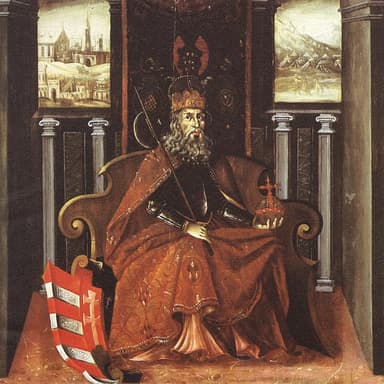
June 27
Ladislaus is remembered as a king who used power soberly. He defended Hungary, strengthened Christian order, and governed with the kind of piety that could be felt in public life as well as in private virtue.
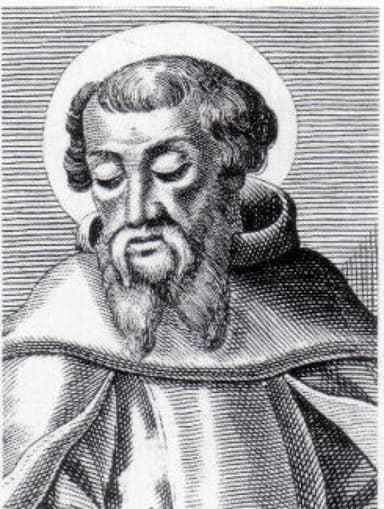
June 28
Irenaeus is both thinker and shepherd. He fights Gnosticism not as a mere debater, but as a bishop protecting the Church’s memory, Scripture, and public faith from being quietly remade.
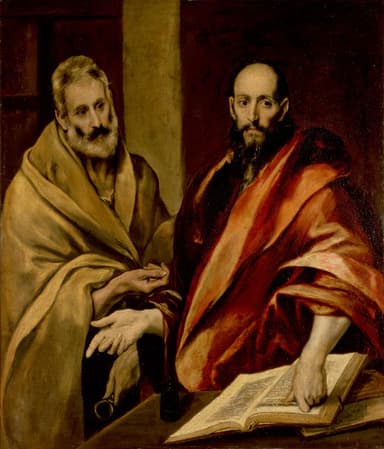
June 29
Peter and Paul belong together as the Church’s paired apostolic pillars. Peter bears the pastoral charge and the keys; Paul carries the Gospel to the nations; and Rome keeps their common feast as one of her oldest solemn memories.
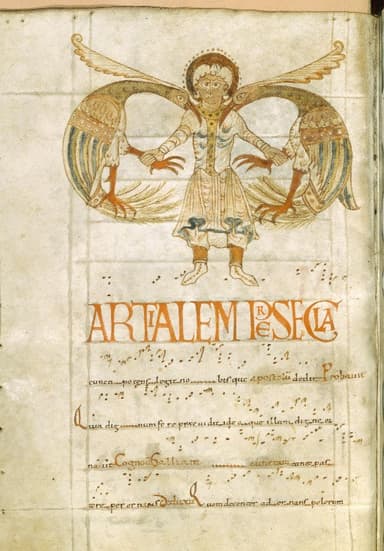
June 30
Martial is remembered as the early bishop and missionary founder of Limoges, honoured for centuries as the apostle of the Limousin.