January 1
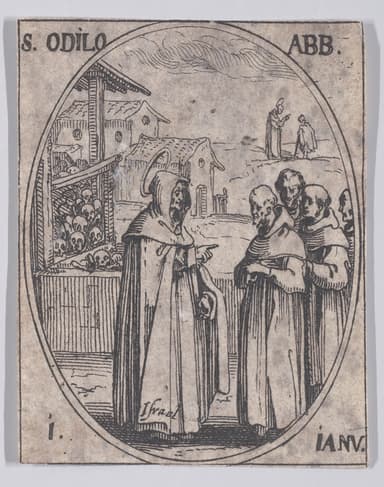
St. Odilo
Odilo was one of the great abbots of medieval Europe: a reformer, peacemaker, and merciful ruler whose Cluny shaped both monastic life and the Church's remembrance of the dead.
Lives Of The Saints
Browse the saints listed for January. Each entry links to the full life.
Showing 38 saints grouped by feast month.
38 saints listed
January 1
Odilo was one of the great abbots of medieval Europe: a reformer, peacemaker, and merciful ruler whose Cluny shaped both monastic life and the Church's remembrance of the dead.
January 2
The Holy Name of Jesus points to Christ and His saving work, and to the Church's long practice of praying with His holy name.
January 3
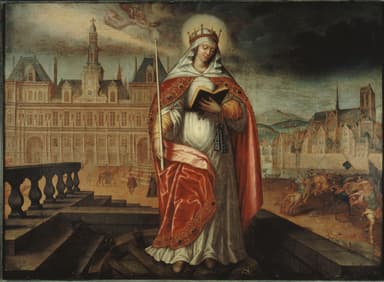
Genevieve is not remembered merely for visions or fasting. She is remembered as the praying woman who steadied Paris in danger and famine, while keeping her holiness rooted in silence, penance, and charity.
Devotional card
St. Gregory of Langres
January 4
Gregory of Langres is memorable because he became holy late and took that change seriously. He is given as a ruler turned bishop whose final years were spent in prayer, justice, and quiet charity.
January 5
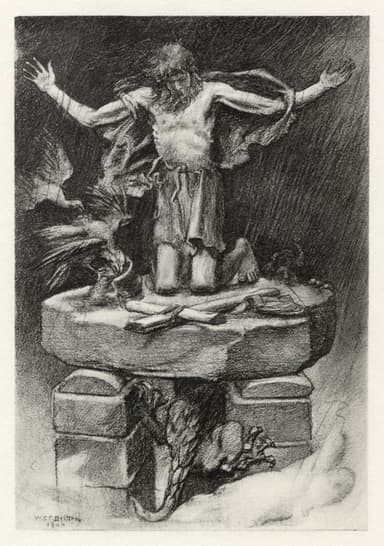
Simeon sounds extraordinary because he was, but the focus stays in the right place: not on the pillar itself, but on the holiness, endurance, and pastoral usefulness of the man who stood upon it.
January 6
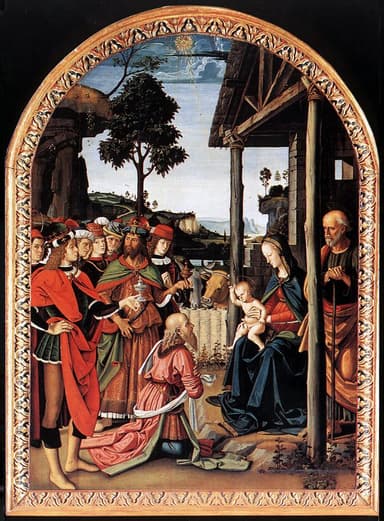
This is one of the great feasts of the year. The Magi remain at the center for the West, while the wider Christian meaning of Epiphany as Christ revealed to the world also stays clear.
January 7
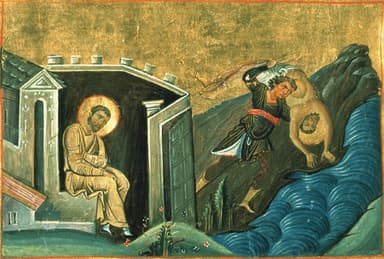
Lucian stands as both scholar and martyr. He cared deeply about Scripture, and then sealed his witness with years of imprisonment and a steadfast death for Christ.
January 8
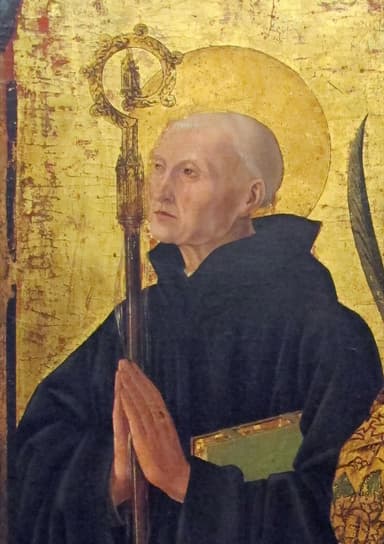
Severinus is remembered as the monk who held frightened frontier communities together when the Roman world on the Danube was breaking apart. Prayer, warning, relief, and rescue all belong equally to his story.
Devotional card
St. Peter of Sebaste
January 9
Peter of Sebaste belongs to a famous Christian family, yet he keeps his own clear shape: monk, bishop, defender of the faith, and generous shepherd in a time of famine and doctrinal unrest.
January 10
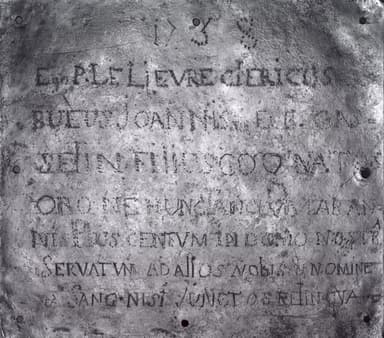
William of Bourges was a real bishop of the old school: austere with himself, gentle with the poor, and immovable when conscience or the rights of the Church were at stake.
January 11
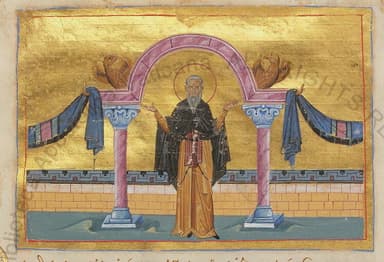
Theodosius was strict with himself, yet the monastery he built became a place of order, shelter, and mercy for both monks and strangers in need.

January 12
Benedict Biscop is one of the builder saints of early England. He traveled, learned, brought back what would deepen worship and learning, and turned Wearmouth and Jarrow into living centers of Christian culture.
January 13
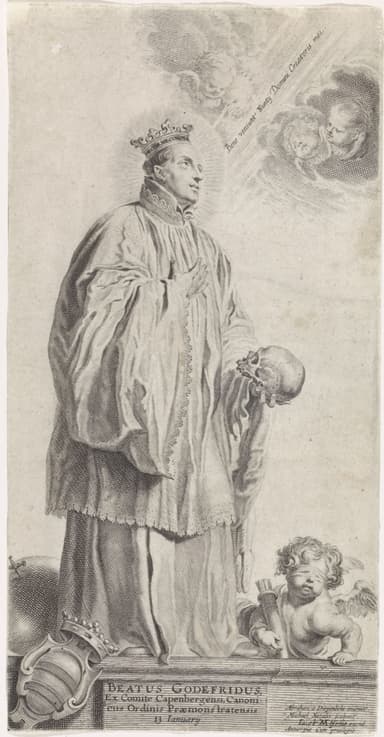
Godfrey's life is short but memorable because the renunciation is so complete. He did not simply support reform from a distance, but gave away his standing and entered it himself.
January 14
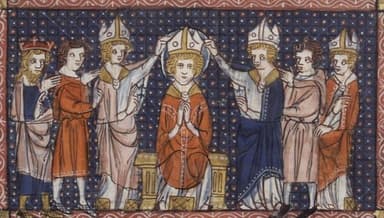
Hilary feels like convert, bishop, exile, theologian, and defender of the Nicene faith. He feels both intellectually serious and personally brave, which is why he stands so large in the early Western Church.
January 15
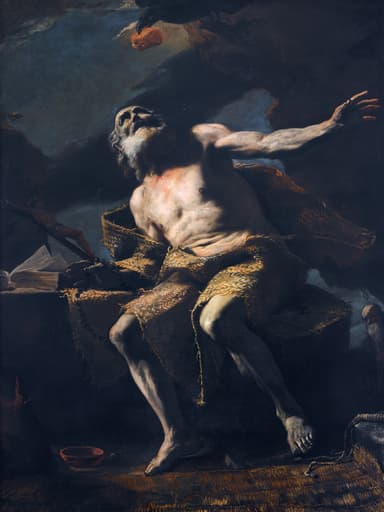
Paul the Hermit remains one of the great desert portraits: a life of silence, providence, and radical hiddenness in God. Even the legendary color serves the larger picture of total withdrawal for the sake of holiness.
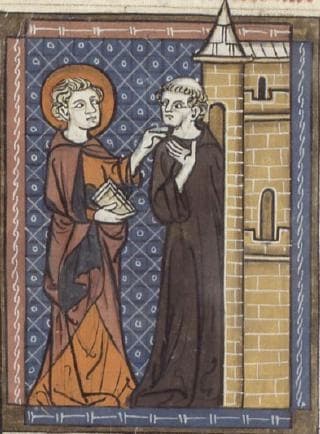
January 16
Fursey was a visionary, a missionary monk and founder whose inward depth became practical Christian labor in Ireland, England, and Gaul.
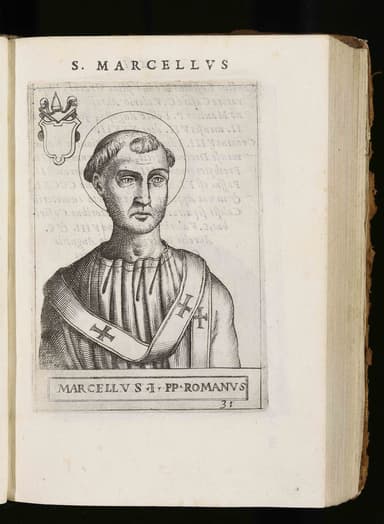
January 16
Marcellus I is one of the most honestly uncertain early popes — a bishop who may have lapsed under Diocletian, who appears to have undergone severe penance afterward, and who was venerated as a martyr by the Roman church whose early inscription on his tomb carries more weight than the hostile Donatist accounts.
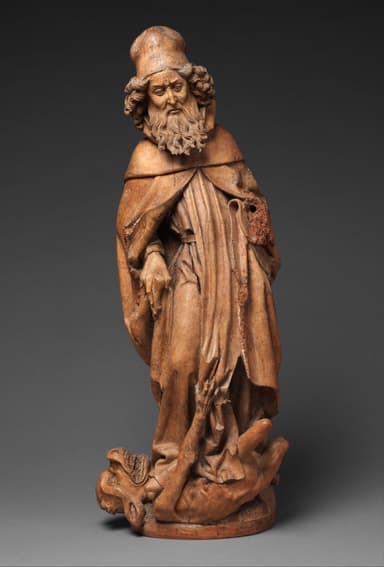
January 17
Antony is one of the giants of the whole collection: not just a desert solitary, but the father of monks, a master of discernment, and a man whose hidden life became fruitful for the whole Church.
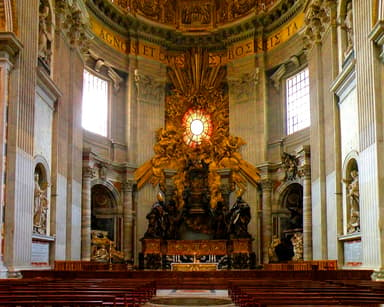
January 18
This feast honors not a separate episode in Peter's life so much as the office attached to his chair. It keeps in view the Church's memory of Peter's teaching and pastoral authority and the liturgical tradition that grew around it.
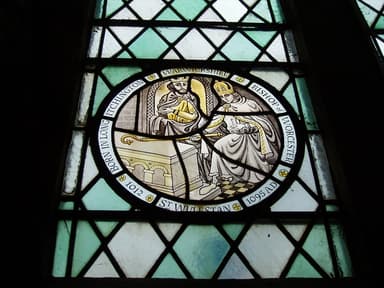
January 19
Wulfstan of Worcester stands as one of the strongest English bishops of the age. He joined prayer, reform, and pastoral steadiness to remarkable calm in the upheaval of the Norman conquest.
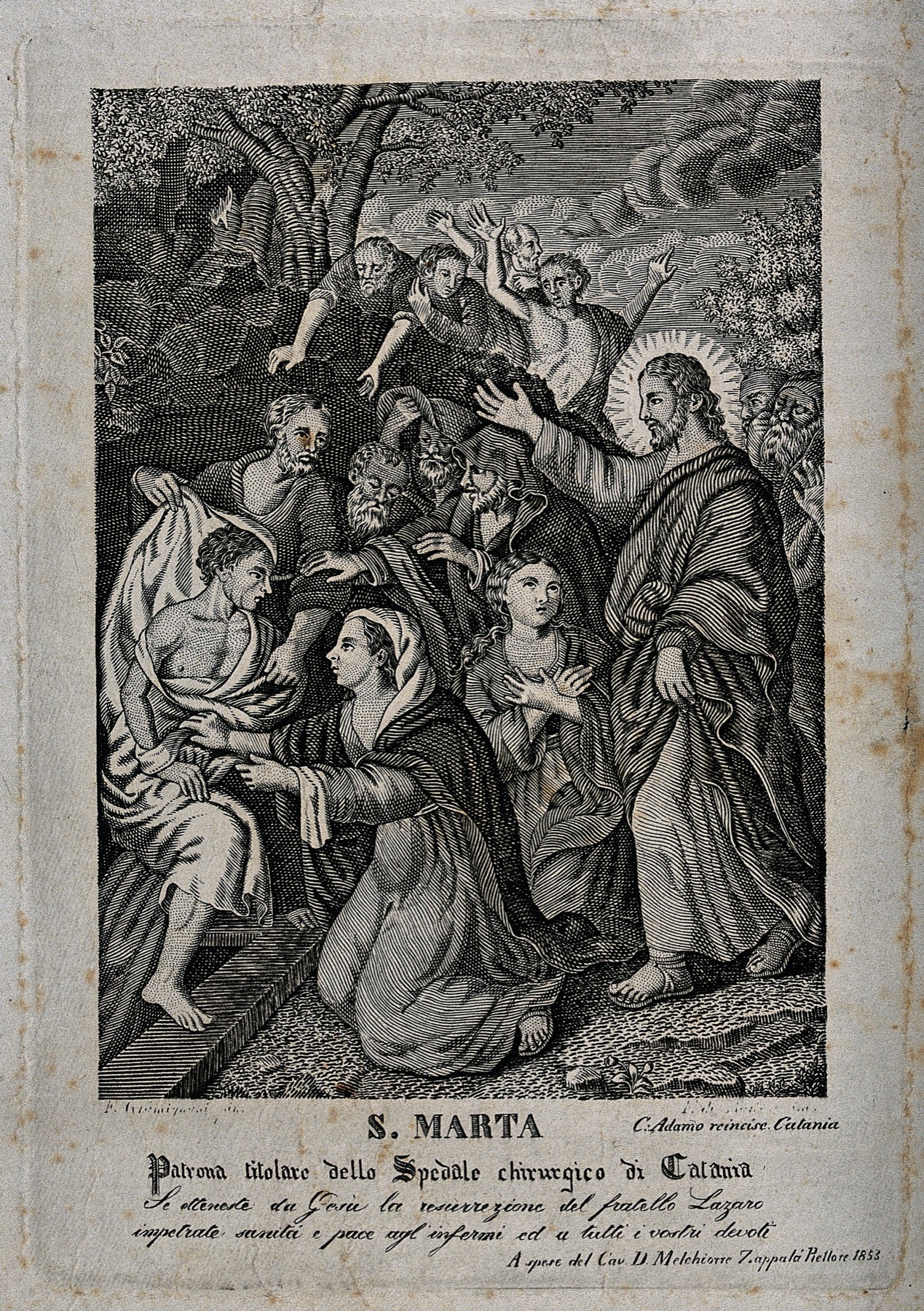
January 19
Marius, Martha, Audifax and Abachum are Roman martyrs traditionally remembered as a Persian couple and their sons who helped persecuted Christians. Their commemoration is January 19.
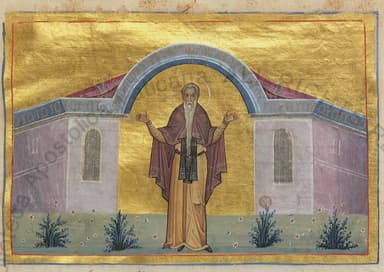
January 20
Euthymius is another major desert father, but his strength feels quieter than Antony's. He is a lover of solitude whose holiness widened into guidance, conversion, and real pastoral authority.
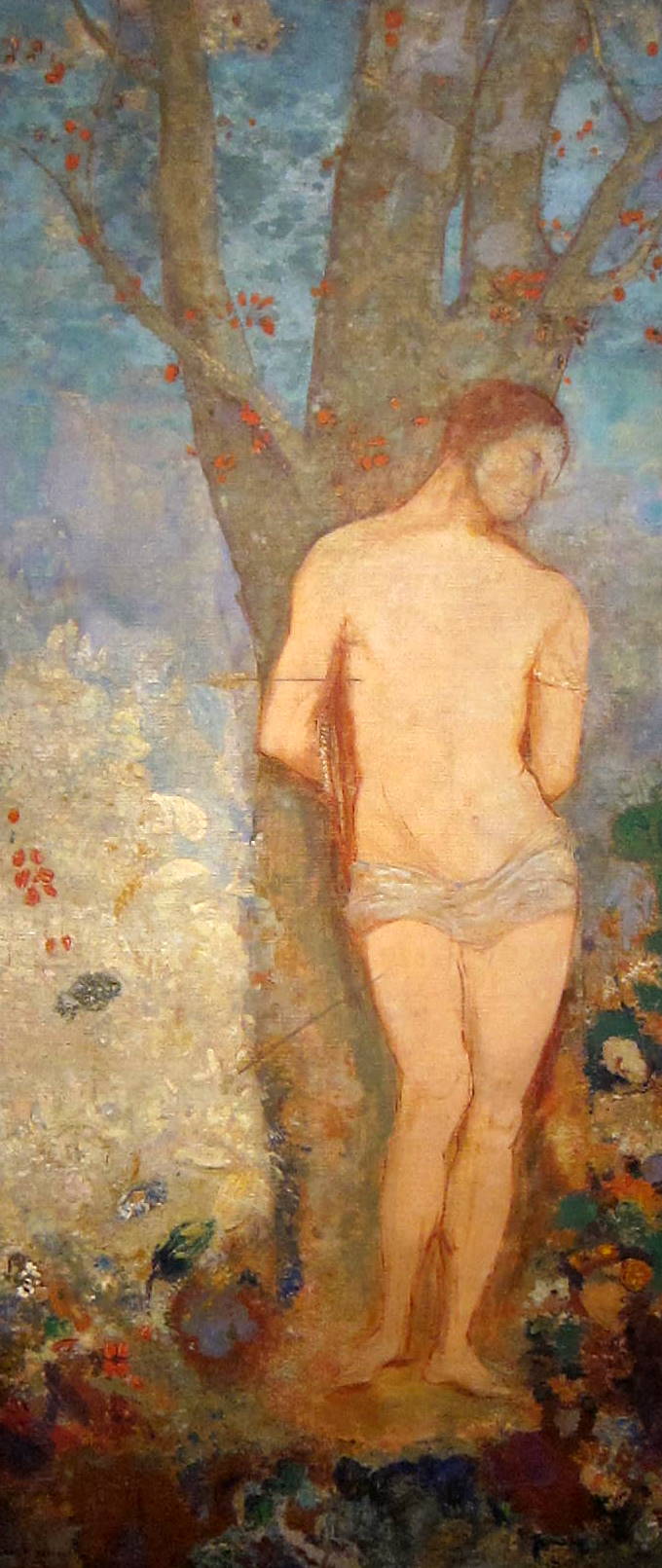
January 20
Sebastian stands as one of early Rome's most venerated martyrs — a soldier who survived the arrows, came back to his accusers, and was beaten to death.
January 21
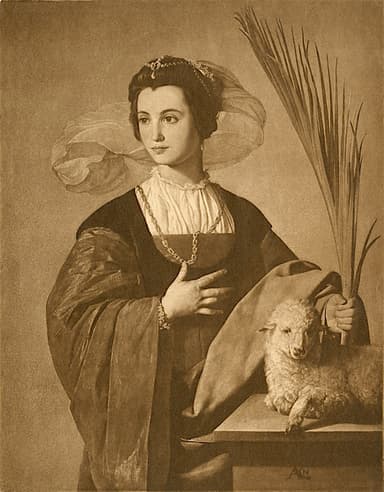
Agnes is one of the clearest Roman martyr lives in the calendar. Her early cult is beyond doubt, later embellishments are treated cautiously, and what remains is already deeply moving.
January 22
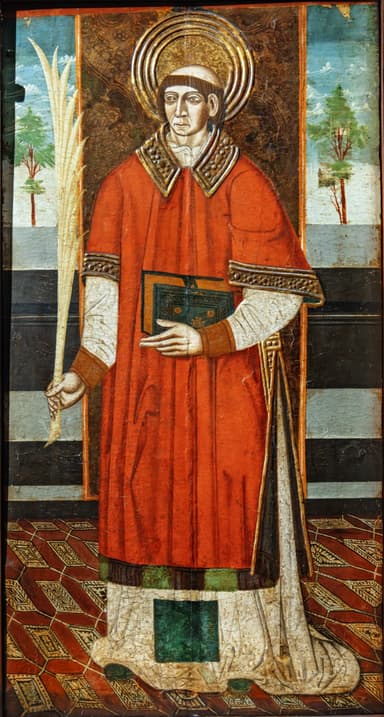
Vincent is one of the great martyr lives because the violence never becomes the real center. The center is the young deacon's peace, clarity, and constancy under everything meant to break him.
Devotional card
St. Anastasius the Persian
January 22
Anastasius the Persian left military service, received Baptism in Jerusalem and became a monk. Imprisoned for his Christian faith, he suffered martyrdom in Persia in 628.
January 23
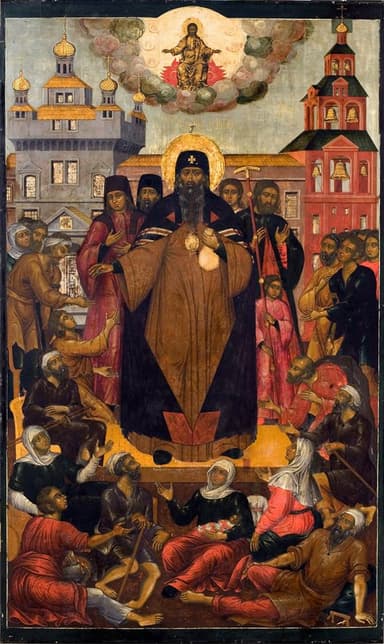
John the Almsgiver makes holiness look concrete. He is shown feeding, relieving, judging fairly, correcting abuses, and spending himself for the poor with a warmth that never loses practical wisdom.
January 23
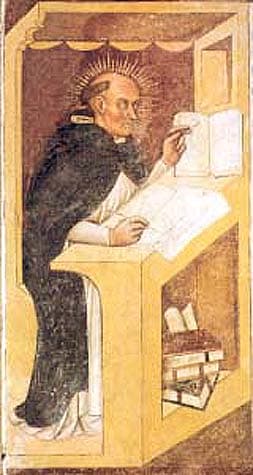
Raymond of Peñafort was the Dominican canonist whose compilation of the Decretals of Gregory IX organized the Church's law into a system that lasted nearly seven centuries.
January 24
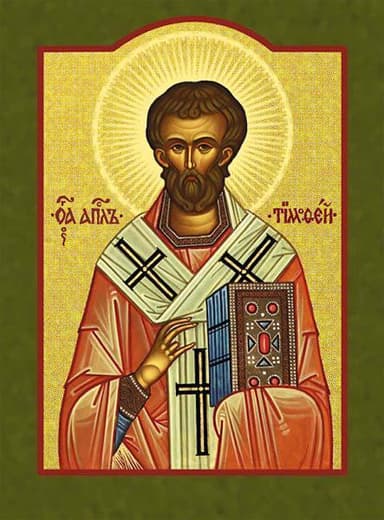
Timothy's life feels close to Scripture from beginning to end. It keeps him near St. Paul, and through that friendship shows a faithful disciple growing into a pastor, bishop, and martyr.
January 25
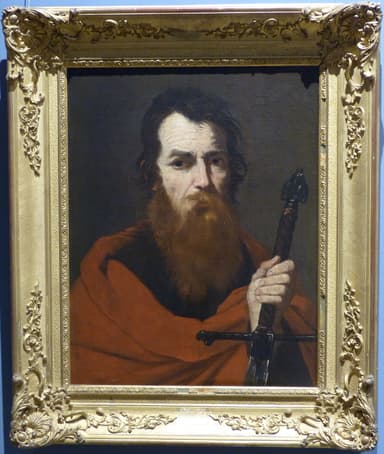
This feast stays fixed on one event and its meaning: the mercy of God breaking into Saul's life and changing everything. It is one of the great conversions and one of the great thanksgivings in the whole Church.
January 26
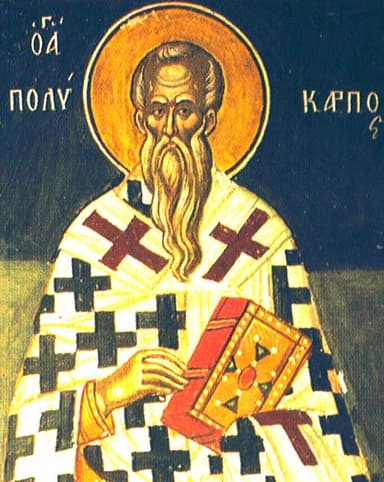
Polycarp feels like one of the Church's deep roots. He stands close to the apostles, and his martyrdom has such early and plain strength that it hardly needs ornament at all.
January 27
Chrysostom's life is large because his preaching and his suffering were both large. He is a man whose golden mouth mattered precisely because he refused to flatter when the truth had become dangerous.
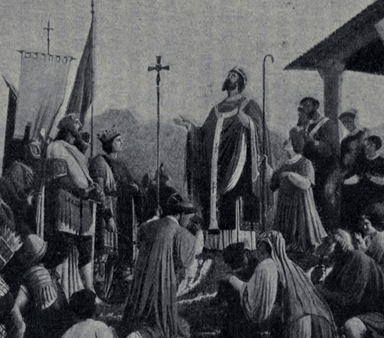
January 28
Paulinus is a quieter kind of great saint: learned, missionary, and careful both about doctrine and conscience. He stands out because his seriousness feels historically firm and pastorally sound.
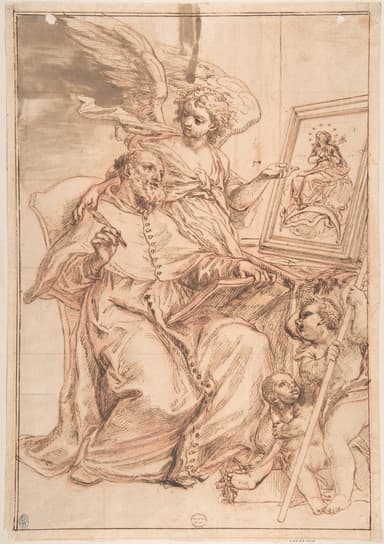
January 29
Francis de Sales is one of the fullest pastor-saint lives in the collection: learned, brave, gentle, practical, and deeply human. The lasting surprise of the life is how much strength lives inside his gentleness.
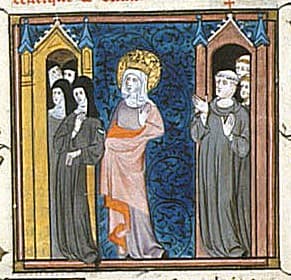
January 30
Bathildis moves through four distinct lives at once: servant, queen, regent, and nun. She is memorable because the life gives her real weight both as a ruler and as a penitent.
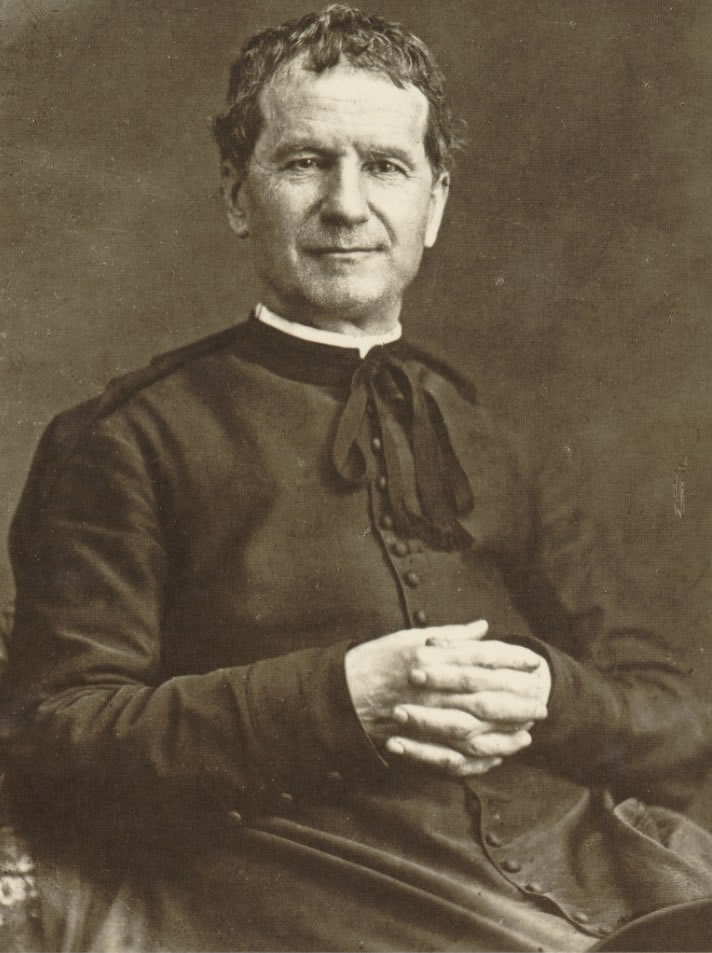
January 31
John Bosco stands out because his holiness is always active and fatherly. He built schools, communities, and whole institutions, but the heart of his life never moved away from poor boys and the saving of their souls.
January 31
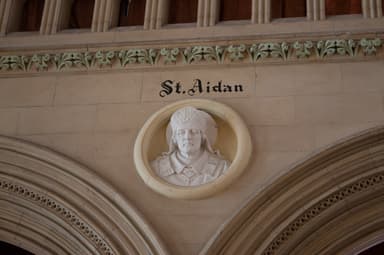
Aidan of Ferns was the Irish bishop educated in Wales under David who founded the monastery at Ferns in Leinster and governed it until his death in 632.
January 31
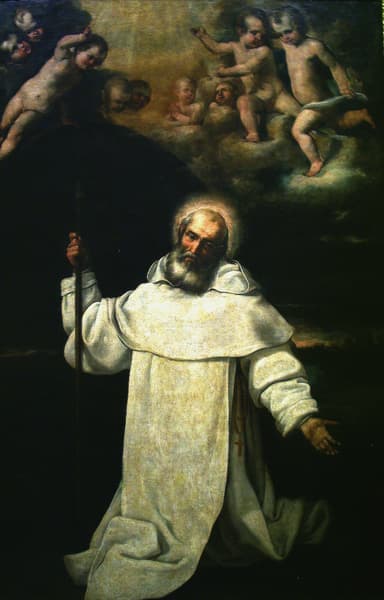
Peter Nolasco is known as the founder of the Mercedarians — the order that ransomed Christian captives from Muslim territories, whose distinctive fourth vow committed members to offer themselves as hostages if necessary.