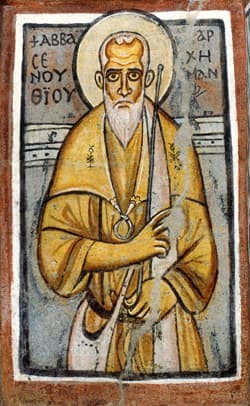
July 1
St. Shenute
Shenute is remembered as a severe but immensely important abbot. He gave Egyptian monastic life harder edges, clearer obligations, and firmer order, while resisting the kind of wild excess that can masquerade as holiness.
Lives Of The Saints
Browse the saints listed for July. Each entry links to the full life.
Showing 38 saints grouped by feast month.
38 saints listed
July 1
Shenute is remembered as a severe but immensely important abbot. He gave Egyptian monastic life harder edges, clearer obligations, and firmer order, while resisting the kind of wild excess that can masquerade as holiness.
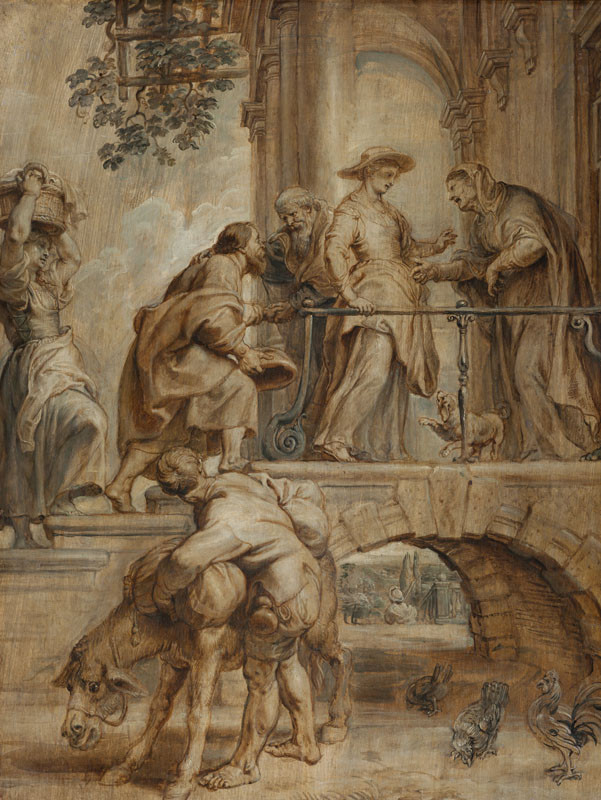
July 2
The Visitation is a feast of Mary’s humility, swift charity, and hidden glory. Christ is still unborn, yet His presence already sanctifies John and fills Elizabeth’s house with joy and recognition.
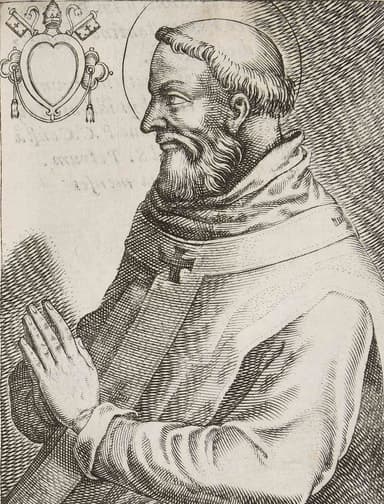
July 3
Leo II shows how much weight a short pontificate can carry. He helped secure doctrine after a major council and still is a real pastor of worship, charity, learning, and the poor.
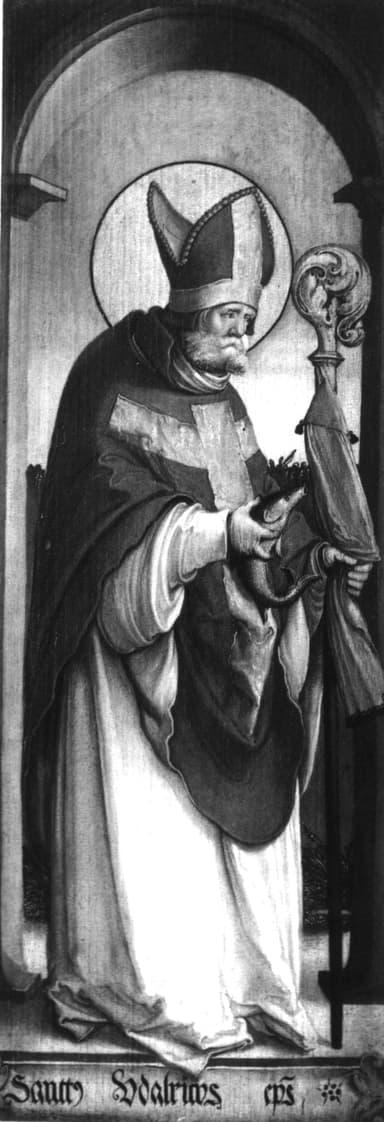
July 4
Ulric is remembered as a bishop who rebuilt after devastation and kept spending himself in ordinary pastoral work. Prayer, visitation, almsgiving, care for the sick, and long disciplined endurance are what make his life strong.
Devotional card
St. Bertha of Blangy
July 4
Bertha of Blangy was a wife and mother who founded a monastery after her husband’s death. Two of her daughters joined her, and she later withdrew from government to a life of prayer.
July 5
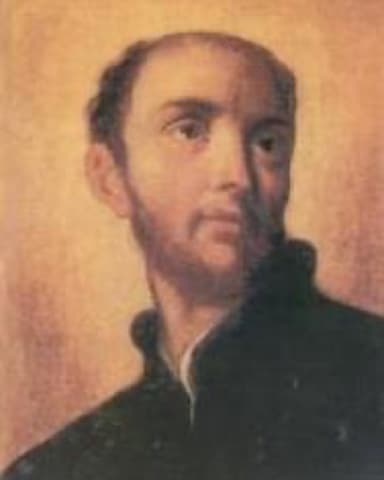
Antony Mary is a reformer from within the Church's wounds. He answers disorder not with noise, but with preaching, sacraments, mercy, and new communities built around Christ crucified.
July 6
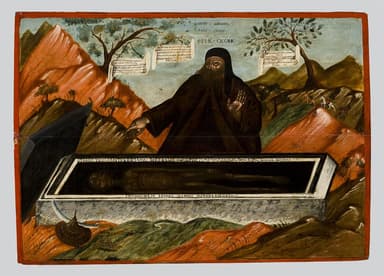
Sisoes is a desert father whose severity never hardens into contempt. He fasts, hides himself, and prays, yet he receives sinners gently, clings to humility, and puts all his confidence in God's mercy rather than in his own ascetic labor.
July 6
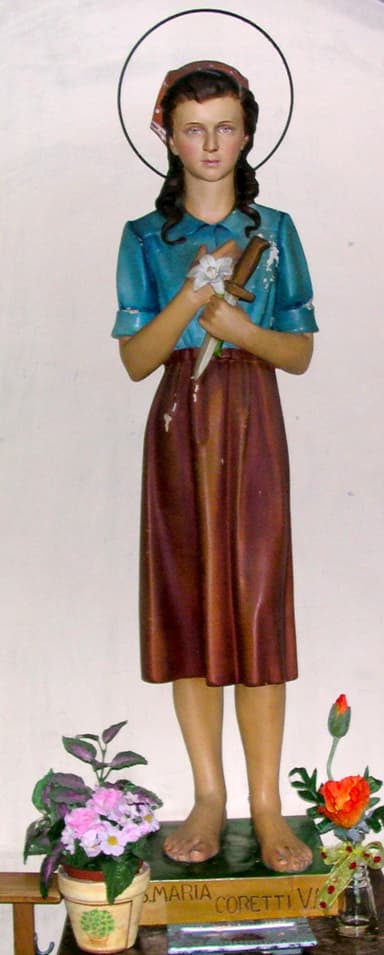
Maria Goretti is remembered as a young virgin and martyr. Pius XII’s canonization documents recall her prayer, Holy Communion, family duties, forgiveness and steadfast faith.
July 7
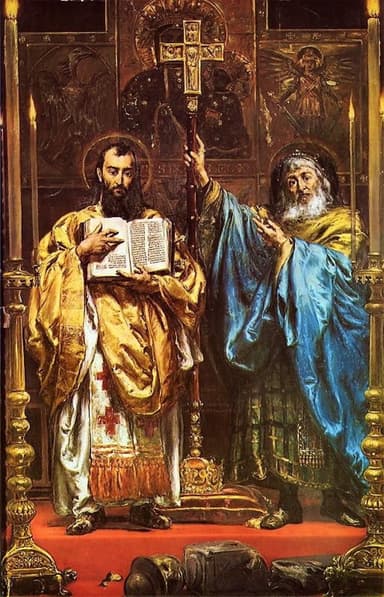
Cyril and Methodius did more than preach. They gave the Slavs a Christian written culture, defended worship in the people's own tongue, and bore suspicion, politics, and imprisonment without abandoning the work entrusted to them.
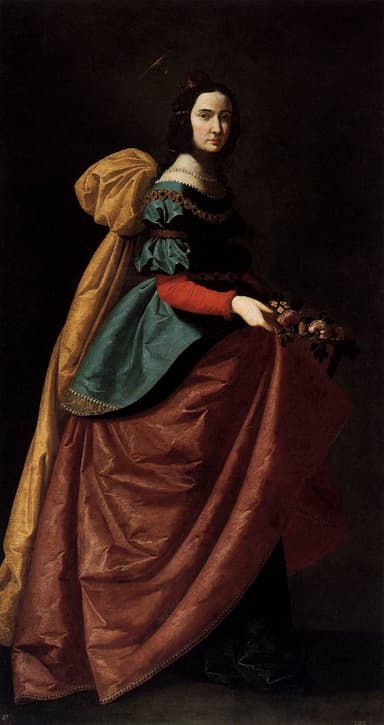
July 8
Elizabeth brings holiness into royal life without becoming worldly. She governs herself first, serves the poor lavishly, bears family sorrow with patience, and spends her strength making peace where others are ready for war.
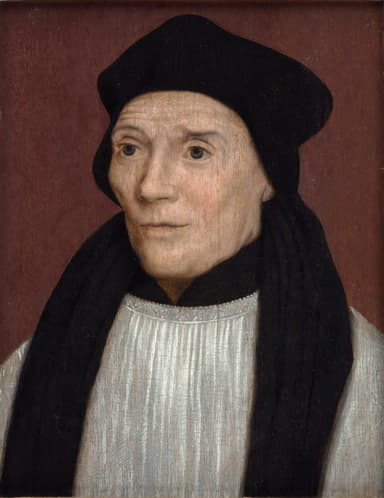
July 9
Fisher was at once scholar, bishop, reformer, and martyr. He helped restore Cambridge, served Rochester with real pastoral care, resisted corruption and error, and finally chose death rather than save himself by yielding the truth.
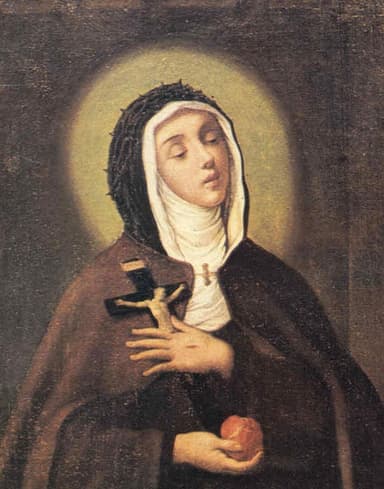
July 9
Veronica Giuliani was one of the most carefully investigated stigmatics in the Church's history — subjected to years of episcopal scrutiny that was designed to disprove her claims and failed to do so.
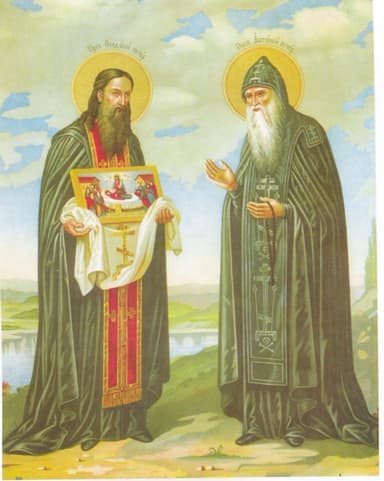
July 10
Antony and Theodosius form one beginning with two distinct gifts. Antony gives the hidden cave, austerity, and first attraction of holiness; Theodosius gives rule, charity, and public spiritual fatherhood.
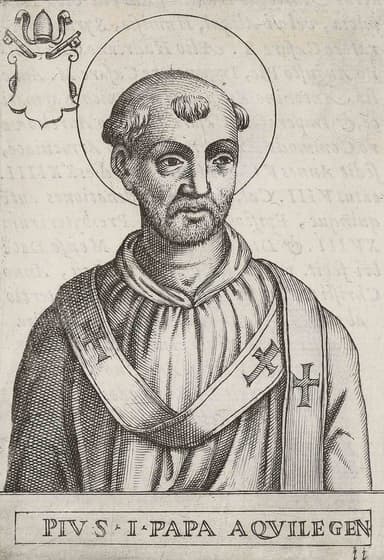
July 11
Pius I is remembered less for personal detail than for steady government under doctrinal pressure. He held the Roman church firm when false teaching was spreading, and the early evidence does not support a claim of martyrdom.
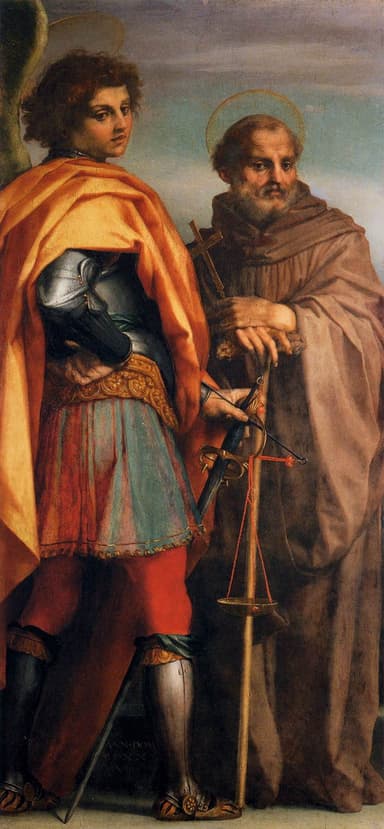
July 12
John Gualbert’s whole life turns on one act of mercy: he put up the sword. From that moment came conversion, poverty, and monastic reform shaped by a heart conquered by Christ’s forgiveness.

July 13
Francis Solano is restless with charity and apostolic courage. A missionary whose deep prayer feeds hard travel, dangerous service, fearless preaching, and long endurance among peoples far from home.
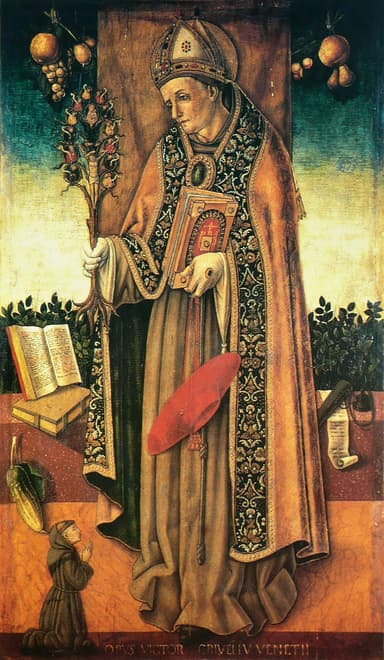
July 14
St. Bonaventure, the Seraphic Doctor, was a Franciscan theologian and minister general. His writings and leadership joined prayer, learning, and service to the Church.
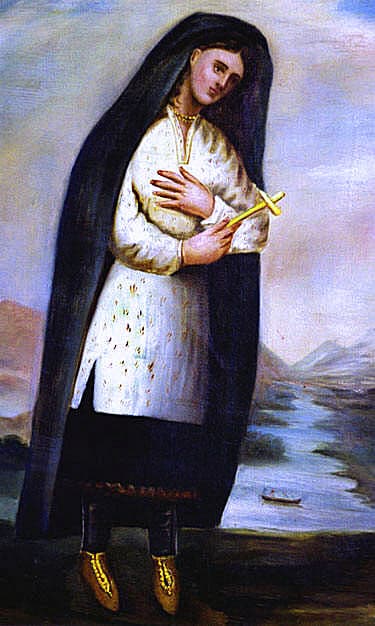
July 14
Kateri Tekakwitha was a Mohawk woman whose short life joined bodily suffering, pressure from her own community, Eucharistic devotion, virginity, and quiet charity into a hidden but luminous fidelity to Christ.
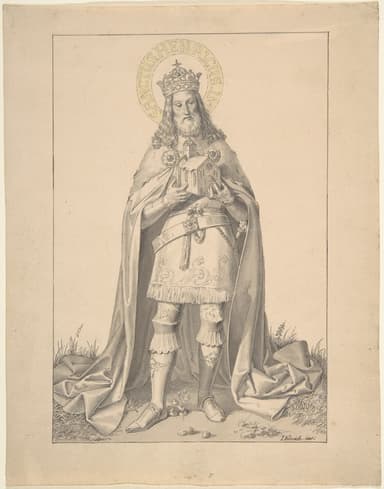
July 15
Henry is remembered as a ruler who tried to keep real imperial power under God. The wars and the politics are not hidden, but a Christian emperor emerges who used office for reform, order, and the Church rather than simply for himself.
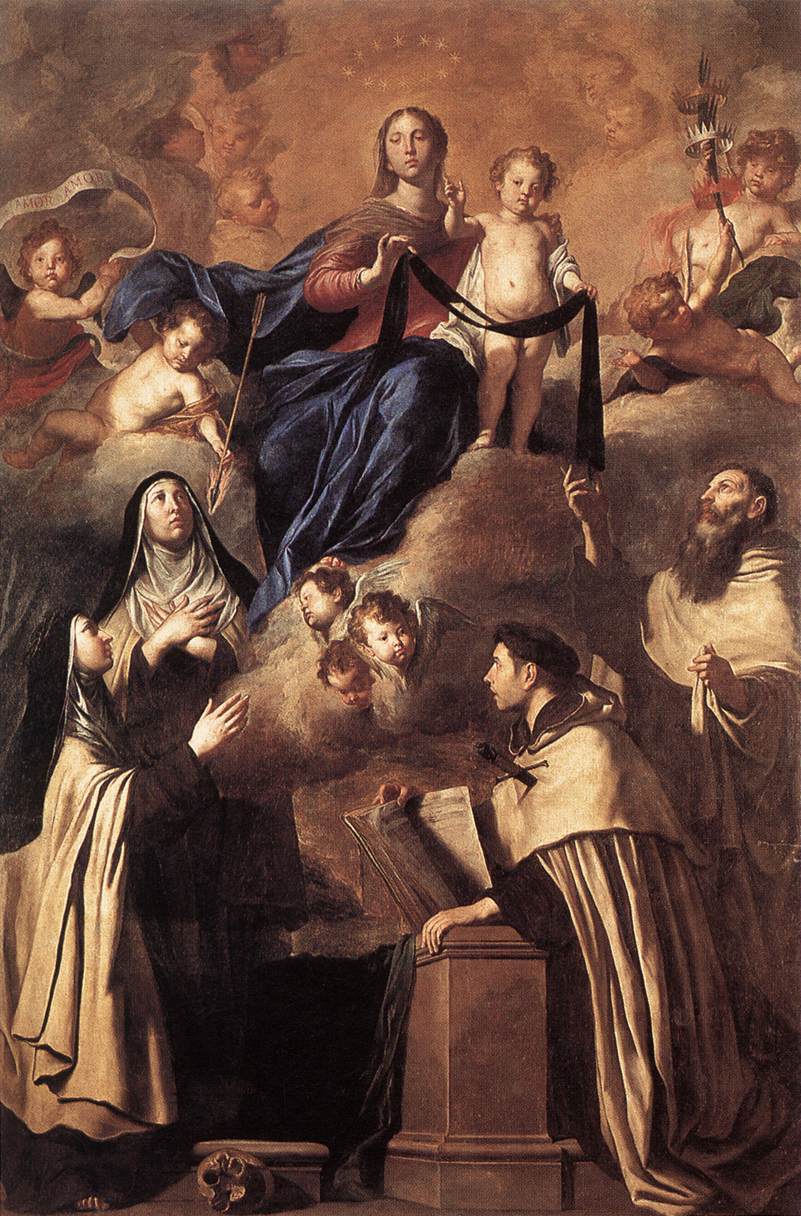
July 16
Our Lady of Mount Carmel is a Marian feast rather than a single saint’s life. It is strongest when read as the history of the Carmelite feast and the later growth of scapular devotion around it.
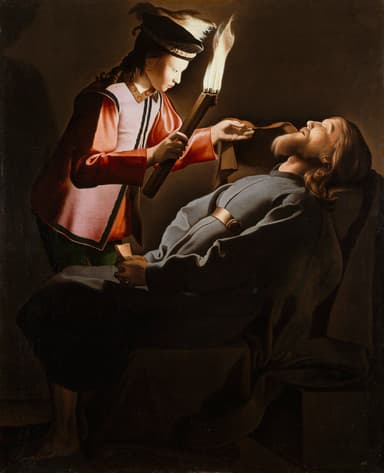
July 17
Alexis is one of those pages where devotion, legend, and caution all have to be kept together. The humility remains, but the fully developed story is not treated as secure in the same way as the older Edessa memory behind it.
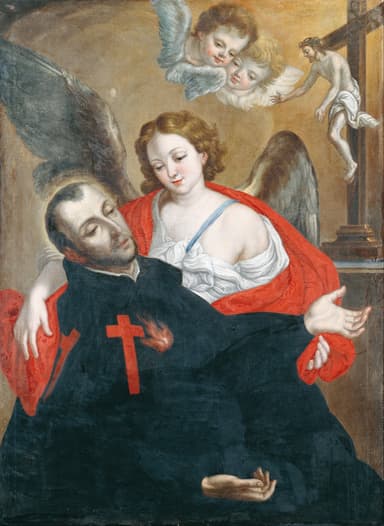
July 18
St. Camillus de Lellis (1550-1614) was an Italian priest who turned from gambling to the care of the sick. He founded the Ministers of the Sick and served patients and the dying in Rome.
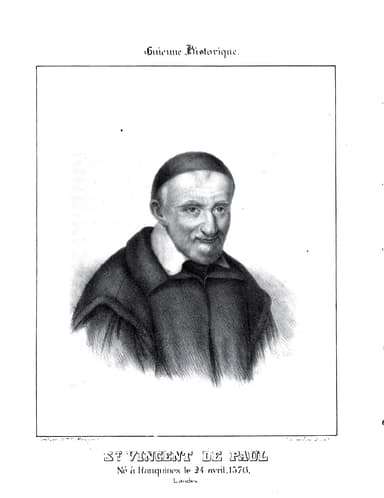
July 19
Vincent is enormous in scale but simple at the center. He sees misery, organizes help, reforms what is slack, and insists that humility and charity must take practical shape in souls, bodies, and institutions.

July 20
Jerome Emiliani’s life turns from war and public office to practical mercy. He is remembered above all as a father of orphans, a servant of plague victims, and the founder of a work of charity that outlived him.

July 20
St. Margaret of Antioch, a virgin martyr and one of the Fourteen Holy Helpers, is remembered for a faith that would not yield to fear or evil. Her beloved dragon story is a devotional image of courage in Christ.
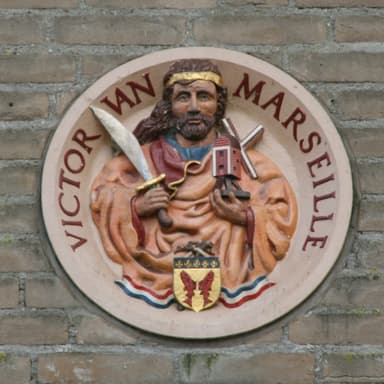
July 21
St. Victor of Marseilles, remembered as a Christian soldier and martyr, used his courage to strengthen other believers during persecution. He refused sacrifice and remained faithful to Christ unto death.
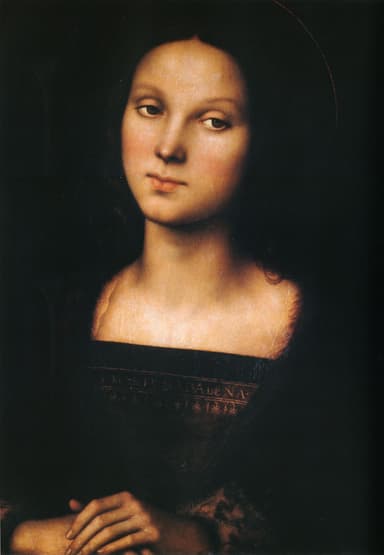
July 22
St. Mary Magdalene stands at the meeting place of repentance, contemplation, fidelity at Calvary, and Easter joy. Forgiven much, she loved much; she remained near the Cross and heard the risen Lord call her by name.
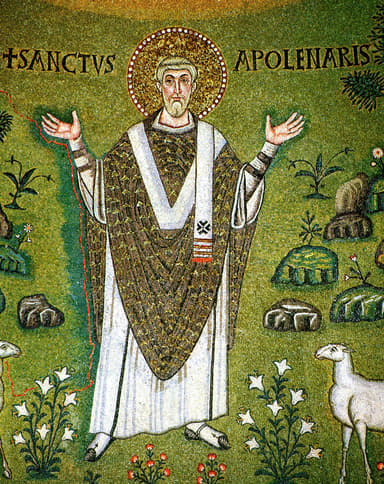
July 23
St. Apollinaris, the first bishop of Ravenna, is remembered as a faithful shepherd who suffered for Christ and would not abandon his flock. His ancient church honored him as a martyr and kept his witness alive.
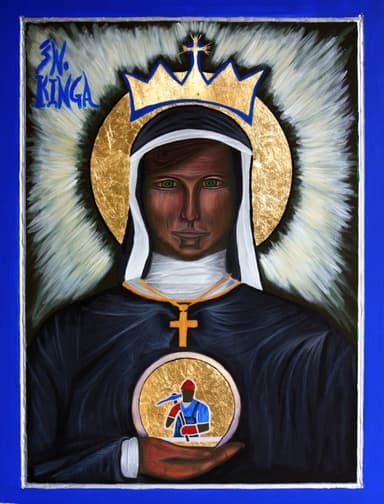
July 24
St. Kinga of Poland placed royal rank at the service of God and the poor. After years of charity, sacrifice, and a chaste marriage, she refused political power and entered the Poor Clares to spend her final years in prayer.
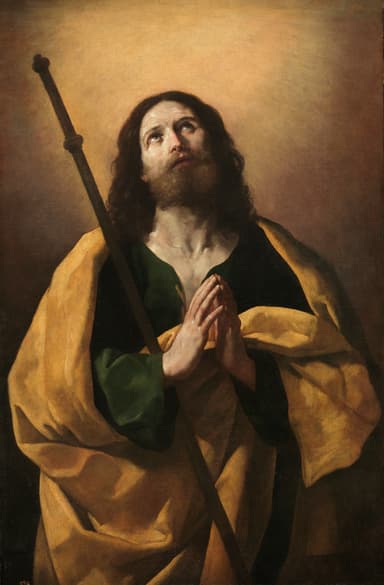
July 25
St. James the Greater left his nets at Christ’s call, stood among the Lord’s closest apostles, and learned that greatness meant sharing His cup.
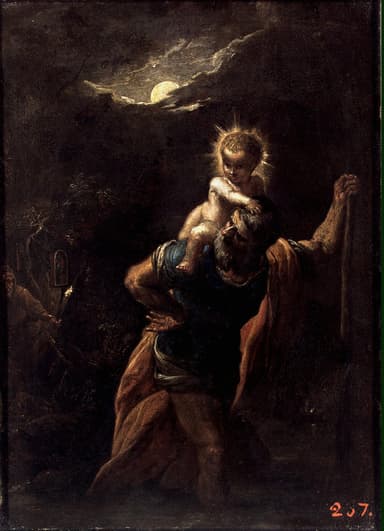
July 25
St. Christopher, the beloved Christ-bearer, used his strength to carry travelers through danger and was granted the joy of carrying the Christ Child. Travelers have long sought his protection and intercession.
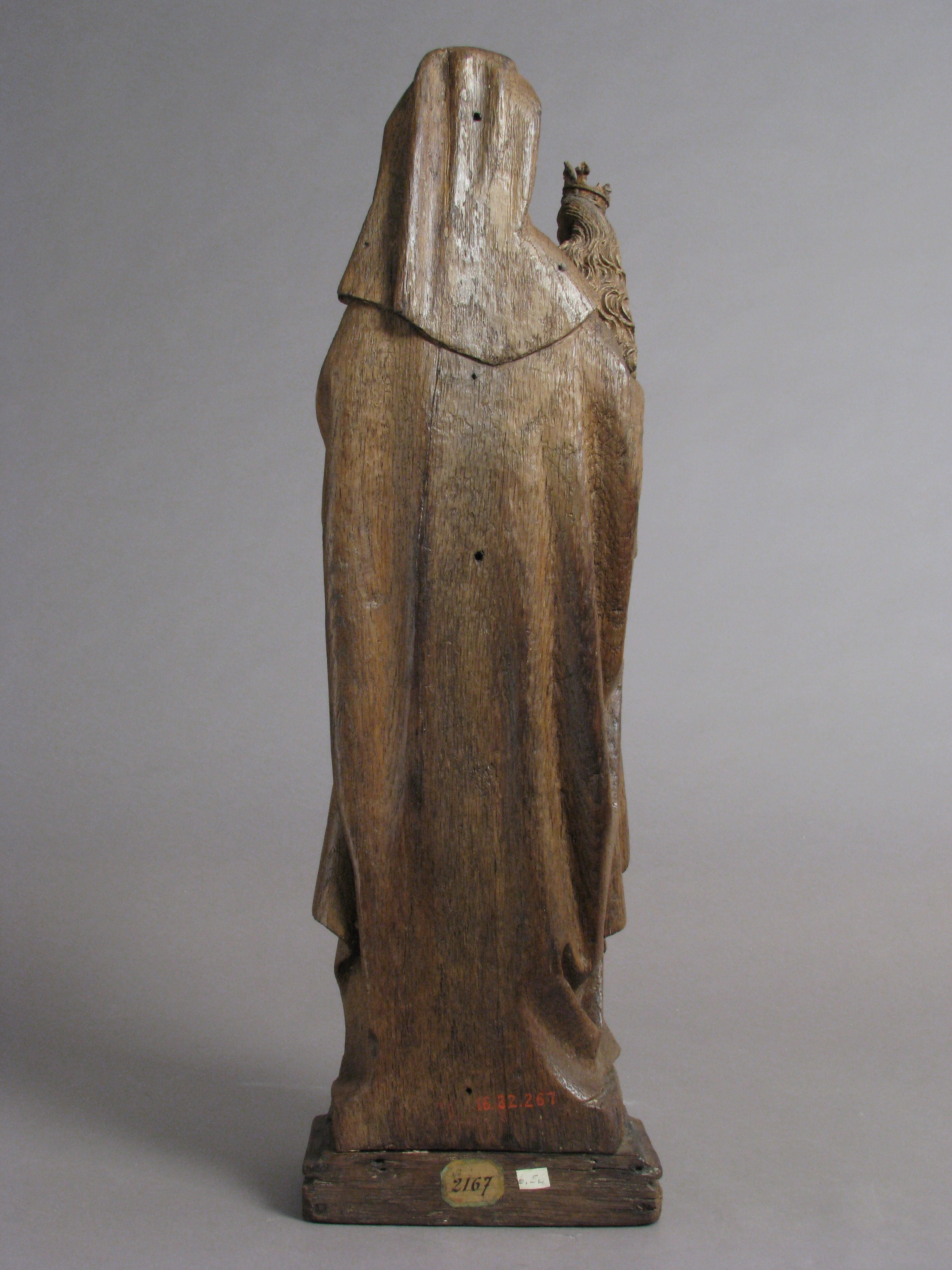
July 26
St. Anne, honored as Mary’s mother and Our Lord’s grandmother, is remembered on July 26. Ancient tradition and centuries of devotion preserve her place in Catholic family prayer.
July 27
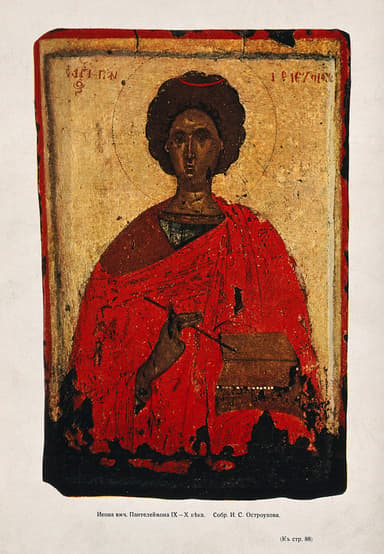
St. Pantaleon was a physician and martyr remembered for joining healing skill to Christian compassion. He served the sick, gave to the poor, and remained faithful to Christ when that faith cost him his life.
July 28
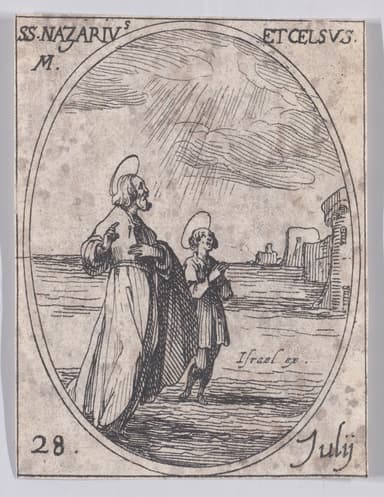
Sts. Nazarius and Celsus are remembered as an older missionary and his young companion who remained faithful together unto martyrdom. St. Ambrose’s discovery of their bodies renewed their ancient honor in the Church of Milan.
July 29
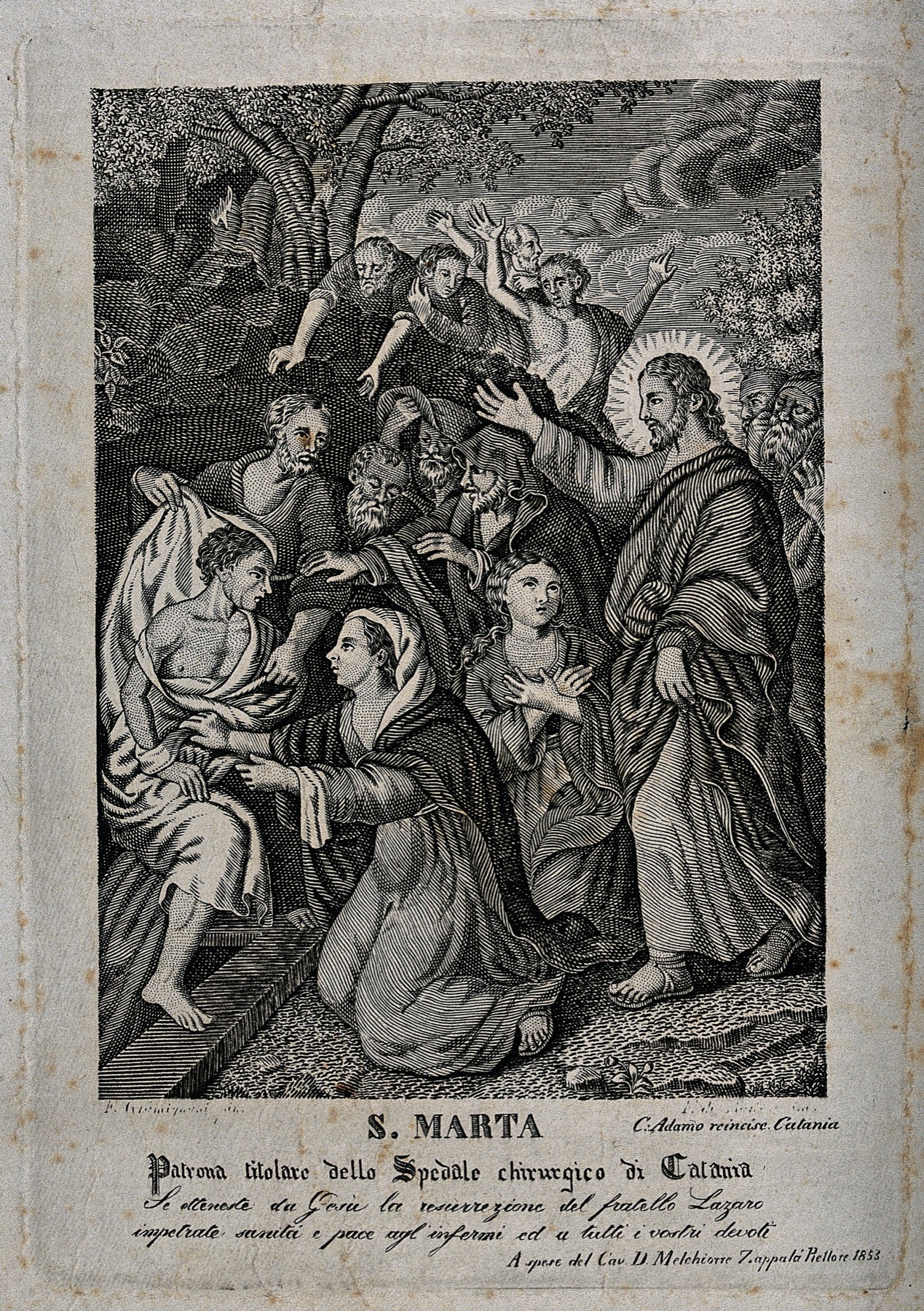
St. Martha welcomed Christ into her home, served Him with generous love, and went out to meet Him in the sorrow of her brother’s death. Her confession—“Thou art Christ, the Son of the living God”—reveals a faith as strong as her service.
July 30
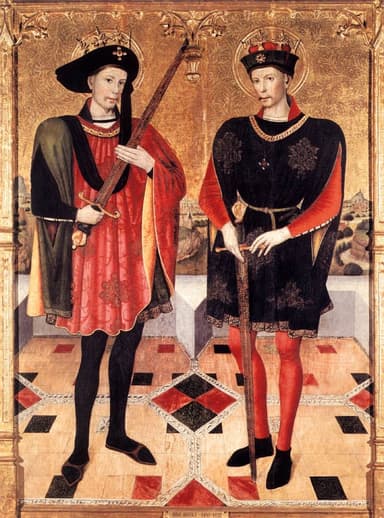
Sts. Abdon and Sennen, Persian Christians honored among Rome’s ancient martyrs, cared for persecuted believers and refused to sacrifice to pagan gods. They remained faithful together even when confession of Christ led to death.
Devotional card
St. Julitta of Caesarea
July 30
Julitta of Caesarea defended her property in court but refused to sacrifice when accused of Christianity. St. Basil’s homily preserves her memory as a martyr of Cappadocia.
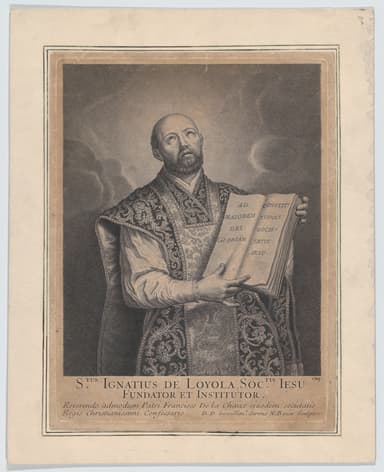
July 31
St. Ignatius of Loyola allowed Christ to transform military ambition into disciplined service.