December 1
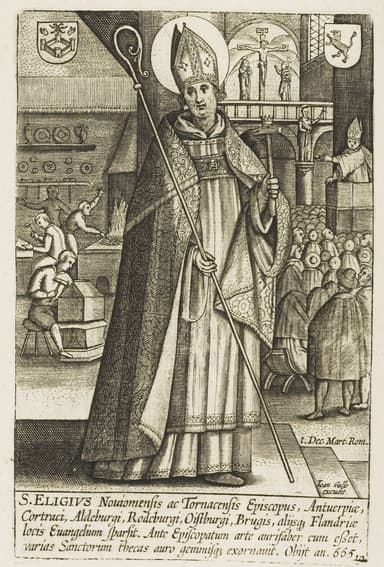
St. Eligius
Eligius is a saint who proves that practical competence and real holiness do not have to be enemies. He could work in a court, handle wealth, and deal with public affairs without losing simplicity or compassion.
Lives Of The Saints
Browse the saints listed for December. Each entry links to the full life.
Showing 85 saints grouped by feast month.
85 saints listed
December 1
Eligius is a saint who proves that practical competence and real holiness do not have to be enemies. He could work in a court, handle wealth, and deal with public affairs without losing simplicity or compassion.
December 2
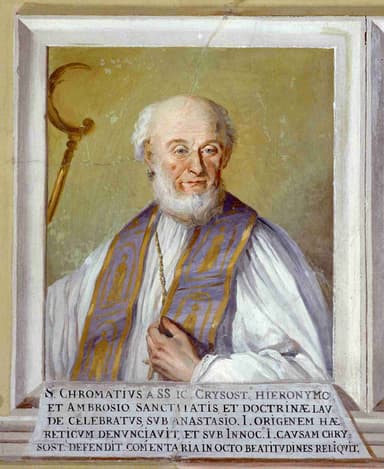
Chromatius was a bishop whose holiness and intelligence were both serviceable. He stands out less by striking miracles or legend than by being dependable in hard times: a man other churchmen could lean on, consult, and trust.
Devotional card
St. Bibiana
December 2
Bibiana is a Roman virgin and martyr. Butler records the traditional account of her family’s sufferings and the continuing veneration at the Roman church bearing her name.
December 3
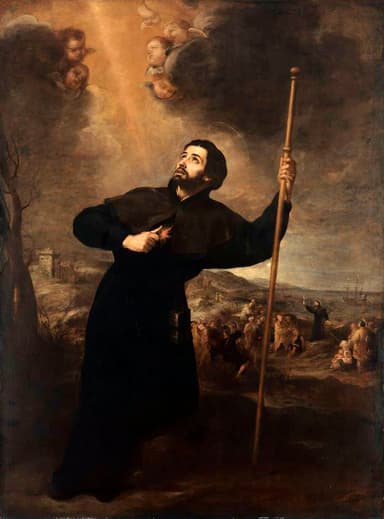
St. Francis Xavier (1506-1552) was a Jesuit priest whose missions reached India, Southeast Asia, and Japan. His life joined teaching, care for the sick, difficult journeys, and support for Christian communities.
Devotional card
St. Birinus of Dorchester
December 3
Birinus received a mission to Britain from Pope Honorius. He baptized King Cynegils of the West Saxons and established his episcopal seat at Dorchester on the Thames.
Devotional card
St. Sola of Solnhofen
December 3
Sola was an English disciple of Boniface who became a priest and hermit in Germany. Butler remembers his friendship with Willibald and Winebald and his gifts to Fulda.
December 4
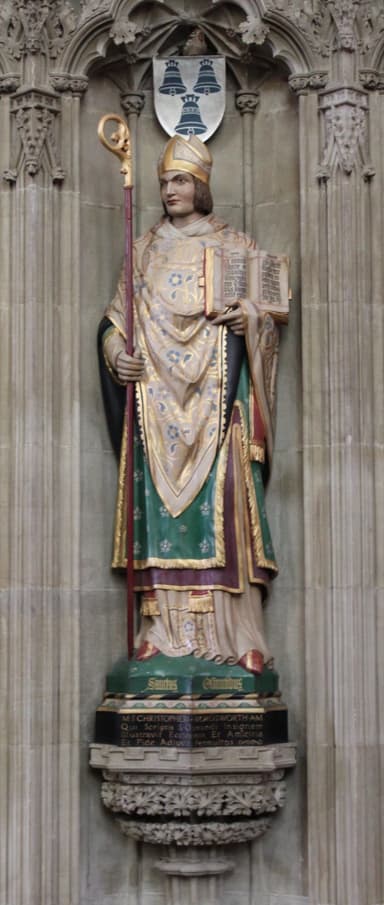
Osmund was a bishop-builder and organizer whose sanctity was quiet, disciplined, and bookish rather than dramatic. He ordered worship, trained clergy, and worked patiently within the rough machinery of church and kingdom.
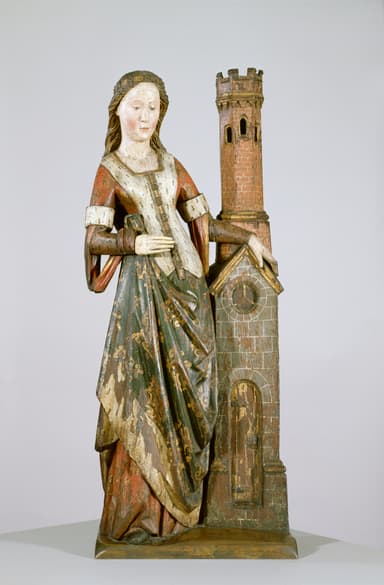
December 4
Barbara presents the honest problem that her passio is fictional, her historical existence unverifiable, and the details of her martyrdom irreconcilably contradictory in different sources.
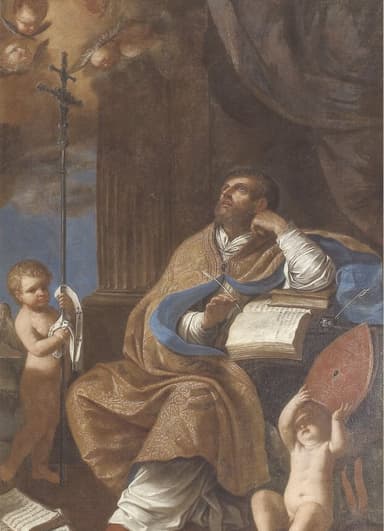
December 4
Peter Chrysologus was the fifth-century Archbishop of Ravenna whose surviving sermons illuminate both the theological controversies of the Eutychian period and the practical pastoral concerns of an imperial capital's congregation.
Devotional card
St. Anno of Cologne
December 4
Anno left military life for the Church and became archbishop of Cologne. Butler describes his personal service of the poor, reform of religious houses and responsibilities in imperial government.
Devotional card
St. Siran of Berry
December 4
Siran, or Sigirannus, served at the royal court before becoming a cleric at Tours. Butler records his pilgrimage to Rome and the monasteries he founded in Berry.
Devotional card
St. Maruthas
December 4
Maruthas was a Syriac bishop who gathered the memory of Persian martyrs and worked for the Church in Persia. Butler recalls his writings, embassies and links with John Chrysostom.
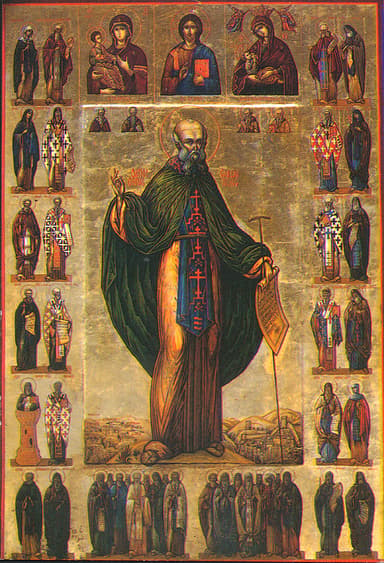
December 5
Sabas was a desert saint in the fullest sense: hidden, practical, severe, and fatherly. He wanted silence, but men kept finding him, and so the solitary became a founder whose influence reached even emperors.
Devotional card
St. Crispina of Thagora
December 5
Crispina was a Christian wife and mother in Roman Africa. Her refusal to offer pagan sacrifice led to her trial and martyrdom at Theveste in 304.
Devotional card
St. Nicetius of Trier
December 5
Nicetius was formed in a monastery before becoming bishop of Trier. Butler remembers his preaching, exile, defence of Catholic doctrine and concern for the discipline of Christian life.
December 6
Nicholas is remembered through a small historical core and a very large body of beloved legend. What remains clear through both is the picture of a bishop associated with generosity, justice, protection, and mercy.
Devotional card
Ss. Dionysia and Companions
December 6
Dionysia and other African Catholics suffered under Huneric. Butler follows Victor of Vita in remembering their confession of the Trinity and the courage of Dionysia’s son Majoricus.
Devotional card
St. Peter Paschal
December 6
Peter Paschal is remembered as bishop of Jaén and a martyr at Granada. Butler’s traditional account emphasizes his ministry among Christian captives and perseverance during imprisonment.
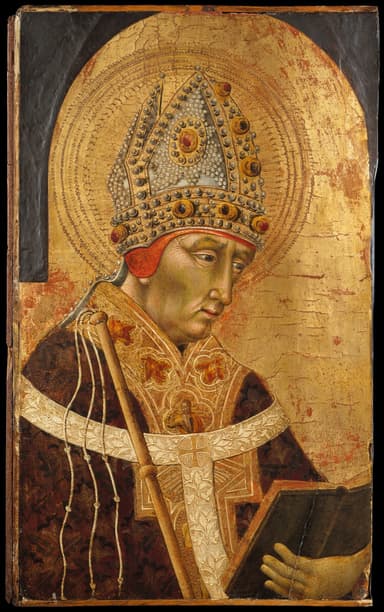
December 7
Ambrose was one of the commanding men of Christian history. He could govern, teach, write, argue, and stand before emperors without yielding where conscience was at stake.
Devotional card
St. Fara of Faremoutiers
December 7
Fara, also called Burgundofara, persevered in a religious vocation despite family opposition. She became abbess at Faremoutiers, a community connected with the tradition of St. Columbanus.
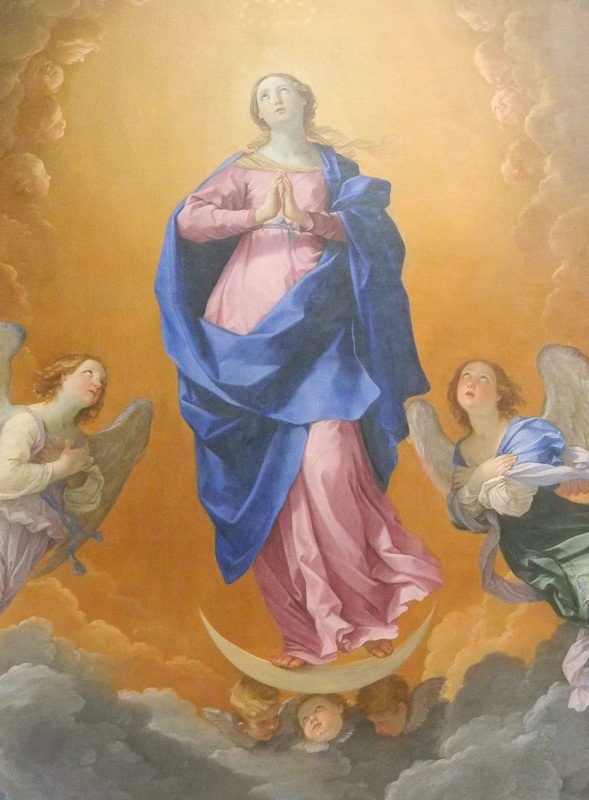
December 8
The Immaculate Conception is a feast that is both devotional and exact. It does not leave the matter as a warm Marian sentiment.
Devotional card
St. Romaric of Remiremont
December 8
Romaric left royal service, gave property to the poor and founded religious communities at Remiremont. He lived under Amatus before becoming abbot himself.
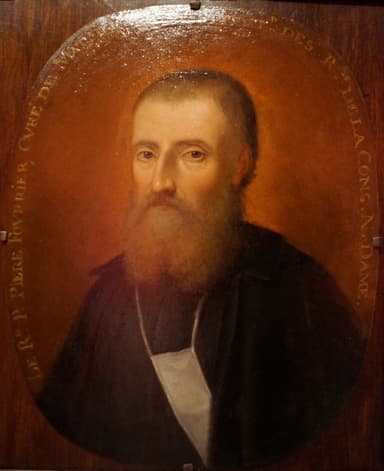
December 9
Peter Fourier was a saint of patient reform and practical holiness. He did not try to change the Church by dramatic gestures alone.
Devotional card
St. Leocadia of Toledo
December 9
Leocadia was a Christian virgin of Toledo who died in prison during persecution. Butler records her lasting veneration as a principal patroness of the city.
Devotional card
The Seven Martyrs of Samosata
December 9
Hipparchus, Philotheus and five younger companions suffered at Samosata. Butler’s account follows their baptism, common prayer and refusal to offer pagan sacrifice.
Devotional card
St. Wulfhild of Barking
December 9
Wulfhild governed religious communities at Barking and Horton. Butler remembers her fidelity to her vocation, charity as an abbess and endurance through expulsion and restoration.
December 10
Gregory III was a pope of firmness and quiet range. He had to defend the Church's reverence for holy images, strengthen missionary work, and steer Rome through political danger at the same time.
Devotional card
St. Eulalia of Mérida
December 10
Eulalia was a young martyr of Mérida whose memory was celebrated by Prudentius. Butler records her courage in refusing pagan sacrifice and her later veneration at Oviedo.
Devotional card
St. Miltiades
December 10
Miltiades, also called Melchiades, was pope when persecution gave way to greater freedom for the Church. Butler recalls his part in the early Donatist controversy and his moderation.
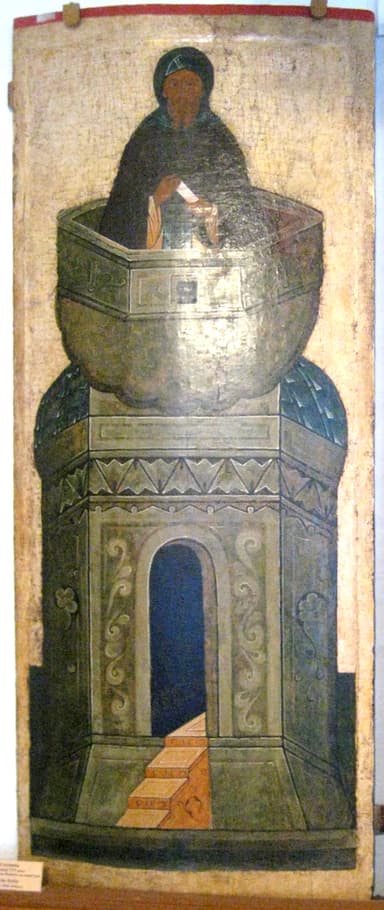
December 11
Daniel was a saint whose outward life was strange but whose inward life was plain, steady, and useful. He prayed, warned rulers, defended the faith, and taught ordinary Christians about judgment, almsgiving, and love of God.
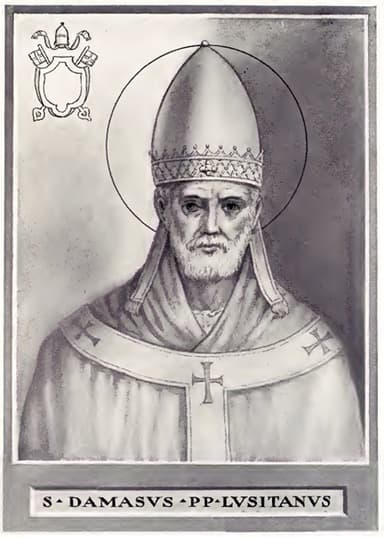
December 11
Damasus I guided the Roman Church through disputes over doctrine and ecclesiastical government. Butler remembers his association with St. Jerome and his care for the tombs of the martyrs.
Devotional card
Ss. Fuscian, Victoricus and Gentian
December 11
Fuscian and Victoricus preached in Gaul and stayed with Gentian near Amiens. Butler remembers the missionaries and their host as companions in martyrdom.
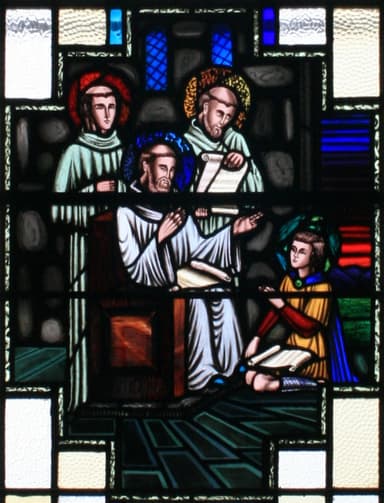
December 12
Finnian was a teacher more than a wonder-worker. The later marvels remain around him, but the center is Clonard: study, formation, disciples, and the renewal of religion and learning through one man's school.
Devotional card
Ss. Epimachus and Alexander
December 12
Epimachus and Alexander endured imprisonment and martyrdom at Alexandria during the persecution of Decius. Butler draws on the testimony of Dionysius of Alexandria.
Devotional card
St. Eadburga of Thanet
December 12
Eadburga was abbess at Minster in Thanet after Mildred. Butler records her church building and distinguishes her from the Kentish queen and abbess Ethelburga.
Devotional card
St. Valery of Leuconay
December 12
Valery passed from tending sheep to monastic life and missionary work in Picardy. The community he established near the Somme became known by his name.
Devotional card
St. Corentin of Quimper
December 12
Corentin is remembered as the first bishop of Quimper in Brittany. Butler recounts his solitary life and episcopal service while examining difficulties in the older chronology.
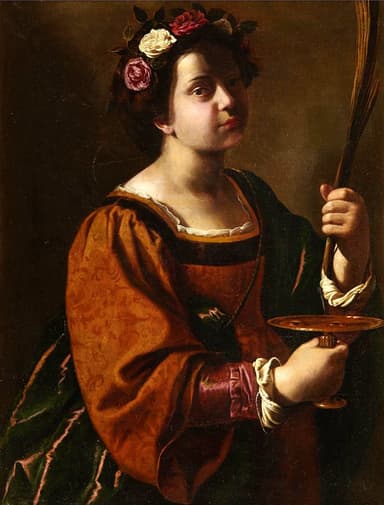
December 13
Lucy is remembered through an ancient martyr cult stronger than the later decorative details of her acts. Her historical outline is modest, but her place in the Church's memory is secure and very old.
December 13
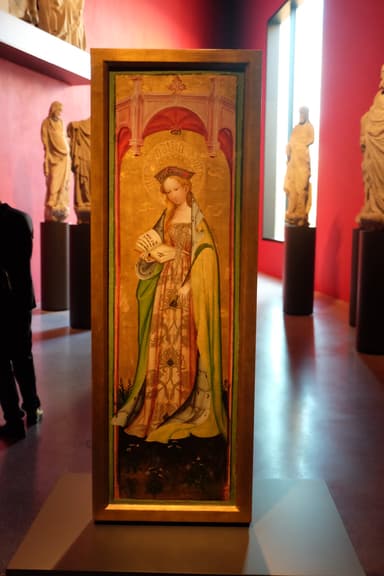
Odilia is the patron of Alsace whose foundational legend — born blind, sight restored at baptism, reconciled with a cruel father who then gave her the mountain named after her — is hagiographical convention overlaid on a historical abbess whose monastery at Hohenburg has been continuously venerated since the early eighth century.
Devotional card
St. Jodoc of Ponthieu
December 13
Jodoc, also called Josse, chose priestly and solitary life instead of royal advancement. His hermitage in Picardy became the monastery of Saint-Josse-sur-Mer.
Devotional card
St. Aubert of Cambrai
December 13
Aubert governed the churches of Cambrai and Arras in the seventh century. Butler remembers his care for clergy, poor people and the growing religious communities of the region.
Devotional card
Blessed John Marinoni
December 13
John Marinoni served the sick in Venice before entering the Theatines. In Naples he worked with Cajetan through preaching, confession and the government of his religious community.
December 14
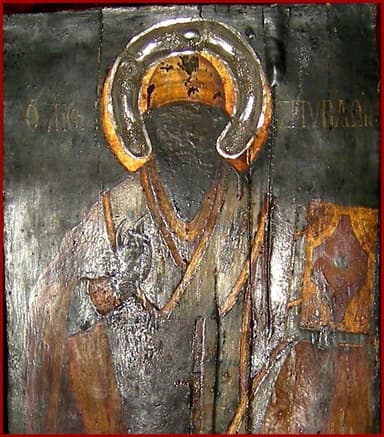
Spiridion is a very unbookish saint, yet a memorable one.
Devotional card
Ss. Nicasius and Companions of Reims
December 14
Nicasius of Reims and companions were killed when the city was attacked in the fifth century. Butler remembers the bishop’s care for his people and the witness of his sister Eutropia.
December 15
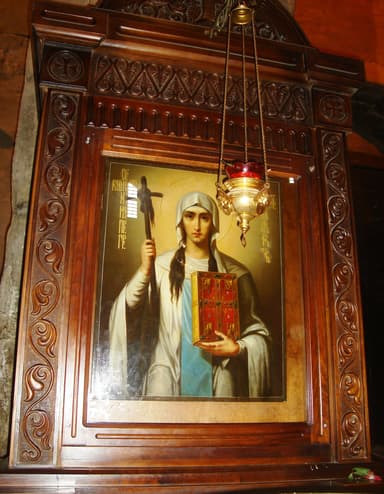
Nino is remembered as a missionary saint whose early historical outline is real even though many later details are not. What remains is still compelling: a holy woman whose prayer and witness stand near the conversion of a nation.
December 16
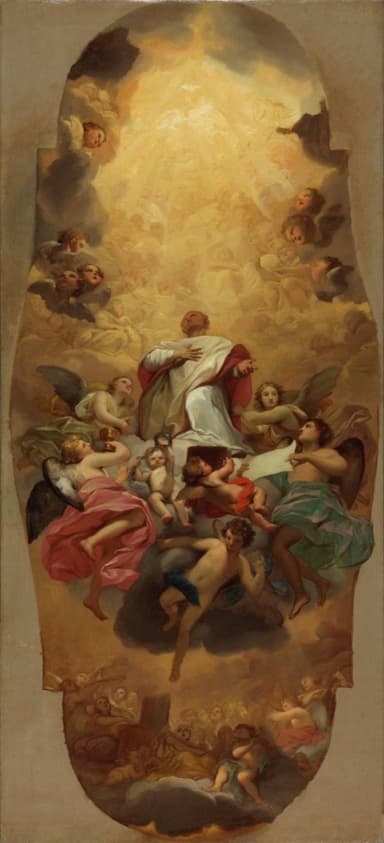
Eusebius is remembered as a bishop who paid dearly for refusing to sign a lie. He formed clergy in common life, suffered for the faith in exile, and then came back to the work of healing and strengthening the Church.
December 16
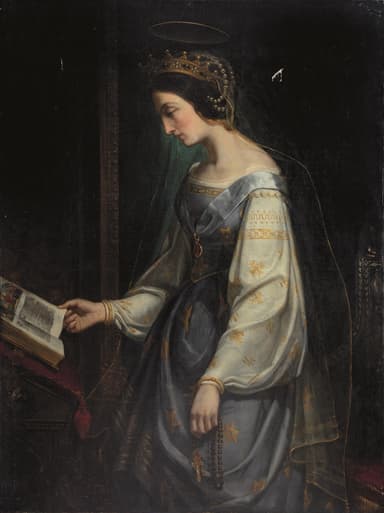
Adelaide was the Empress who escaped imprisonment by a usurper, married Otto I, governed the empire through two reigns, was displaced by her daughter-in-law, and spent her final decade at the Cluniac Abbey of Selz she had founded in Alsace.
Devotional card
St. Ado of Vienne
December 16
Ado was a monk, teacher and compiler of a martyrology before becoming archbishop of Vienne. Butler remembers his preaching, formation of clergy and care for the poor.
December 17
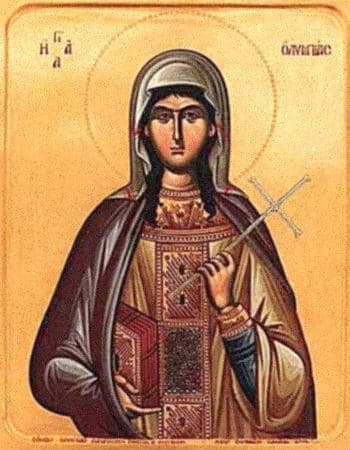
Olympias was a woman of rank who spent herself like a servant. Her life is not built on one dramatic scene, but on generosity, constancy, and endurance under ecclesiastical persecution.
Devotional card
St. Begga of Andenne
December 17
Begga, sister of Gertrude of Nivelles, founded a religious community at Andenne after becoming a widow. Butler distinguishes that foundation from the much later Beguine movement.
Devotional card
St. Winebald
December 18
Winebald was a saint of quiet missionary endurance. He was not a conqueror or a spectacular wonder-worker.
Devotional card
Ss. Rufus and Zosimus
December 18
Rufus and Zosimus are remembered with Ignatius in Polycarp’s letter to the Philippians. Butler preserves that early witness while acknowledging uncertainty about the place of their martyrdom.
Devotional card
St. Gatian of Tours
December 18
Gatian is remembered as the first bishop of Tours. Butler recounts his missionary perseverance and the worship of the early Christian community amid threats and opposition.
December 19
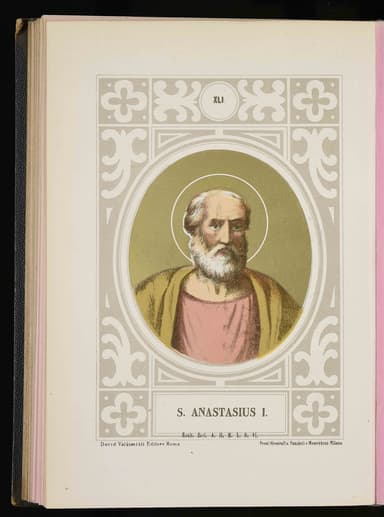
Anastasius I stands as a quiet but weighty early pope. His life is brief in the sources, yet the esteem of Jerome and others shows a bishop remembered for holiness, sobriety, and doctrinal firmness.
Devotional card
St. Nemesius of Alexandria
December 19
Nemesius of Alexandria was cleared of an accusation of theft, then condemned for his Christian faith. Butler follows Dionysius of Alexandria’s account preserved by Eusebius.
December 20
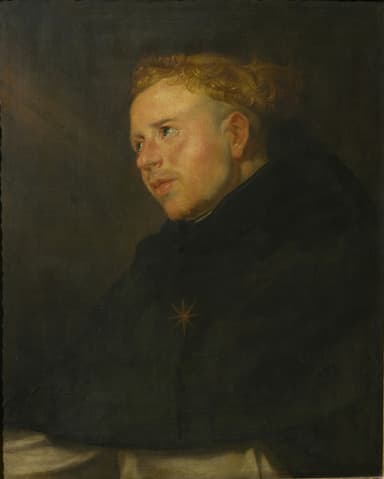
Dominic of Silos was a builder after ruin. He begins in obscurity, suffers for refusing royal pressure, and then patiently turns a broken monastery into a great one.
Devotional card
St. Philogonius of Antioch
December 20
Philogonius passed from legal practice to the bishopric of Antioch. Butler draws on Chrysostom’s praise of his pastoral government and defence of the Catholic faith.
Devotional card
St. Paul of Latros
December 20
Paul lived as a monk and hermit on Mount Latros in Asia Minor. Butler remembers his prayer, care for disciples, religious foundations and generosity to poor people.
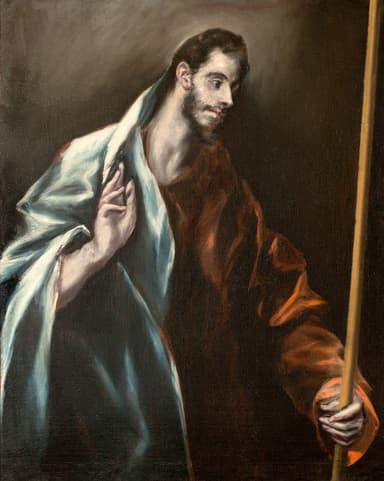
December 21
Thomas is best understood first as the apostle of the Gospel itself, not as a bundle of later legends. His love, slowness, honesty, and final confession are the fixed center.
Devotional card
St. Edburga of Winchester
December 21
Edburga was a daughter of Edward the Elder who became a nun at Winchester. Butler remembers her religious vocation and the later veneration of her relics at Winchester and Pershore.
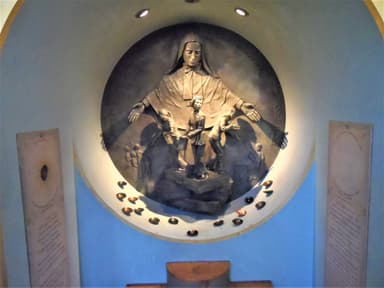
December 22
Frances Cabrini's life in December stands out because her work was immense. She crossed oceans, opened schools and hospitals, fought through confusion and opposition, and stayed fixed on the poor immigrants she had come to serve.
Devotional card
St. Ischyrion of Egypt
December 22
Ischyrion served an Egyptian magistrate and was killed after refusing to offer pagan sacrifice. Butler follows the account of Dionysius of Alexandria preserved by Eusebius.
Devotional card
St. Servulus
December 23
Servulus had almost nothing, and that is exactly why his story strikes so hard. He could not walk, sit upright, or feed himself, yet he learned Scripture, praised God, gave alms, and died listening for heaven.
Devotional card
The Ten Martyrs of Crete
December 23
The Ten Martyrs of Crete confessed Christ during the persecution of Decius. Butler records their trial at Gortyna, refusal to sacrifice and continuing commemoration together.
Devotional card
St. Victoria of Rome
December 23
Victoria is remembered as a Roman Christian who refused marriage and pagan sacrifice. Butler records her martyrdom from the traditional acts and earlier summaries.
Devotional card
Ss. Tharsilla and Emiliana
December 24
Tharsilla and Emiliana are remembered in a very quiet way. Their family life became prayer, fidelity, and readiness for death.
Devotional card
St. Gregory of Spoleto
December 24
Gregory was a priest of Spoleto remembered for prayer and Christian teaching. Butler’s traditional account records his refusal to sacrifice and his death during persecution.
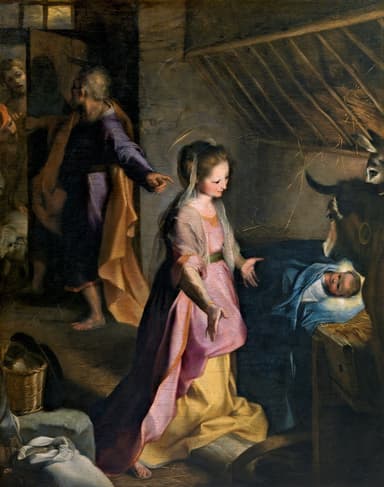
December 25
Christmas Day is kept first as the birth at Bethlehem, then as the meaning of it. It is full of wonder, humility, and gratitude.
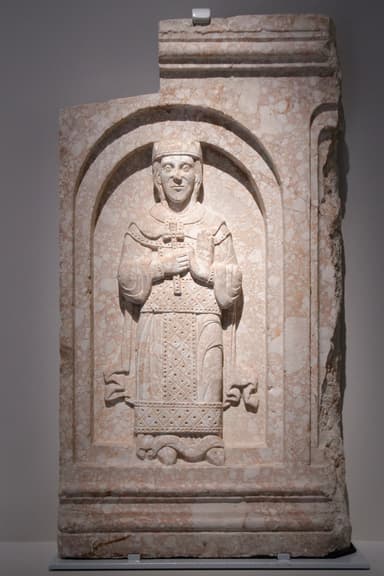
December 25
Anastasia of Sirmium is commemorated in the second Mass of Christmas — the dawn stational Mass at her Palatine basilica — a liturgical placement that is evidence of exceptional antiquity.
Devotional card
St. Eugenia of Rome
December 25
Eugenia is remembered as a virgin and martyr at Rome. Butler’s brief notice cites Avitus and expressly declines to rely on the later accounts of her suffering.
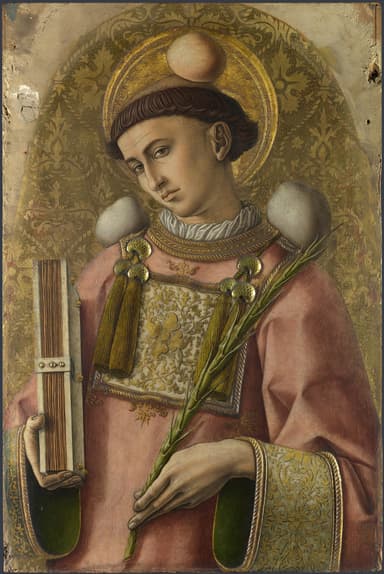
December 26
Stephen stands at the start of Christian martyrdom with unusual clarity. No legend is needed here, because Scripture already gives the whole outline: service, preaching, witness, vision, forgiveness, and death.
Devotional card
St. Dionysius of Rome
December 26
Dionysius of Rome served as pope after the persecution that killed Sixtus II. Butler remembers his defence of the faith and aid sent to ransom captives in Cappadocia.
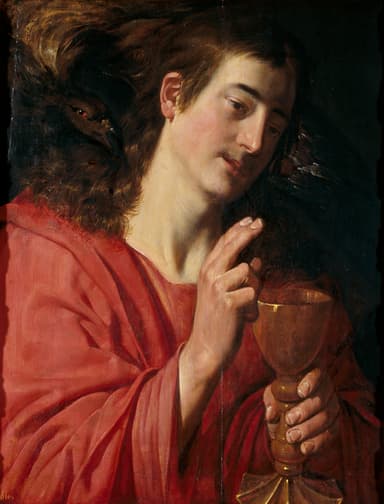
December 27
John is not just the eagle of theology. He is the disciple who stayed close to Jesus, cared for Mary, taught the Church, fought error, and kept coming back to love.
Devotional card
St. Theodore Graptus
December 27
Theodore Graptus and his brother Theophanes suffered for defending holy images. His surname recalls the inscription cut into his face during their persecution.
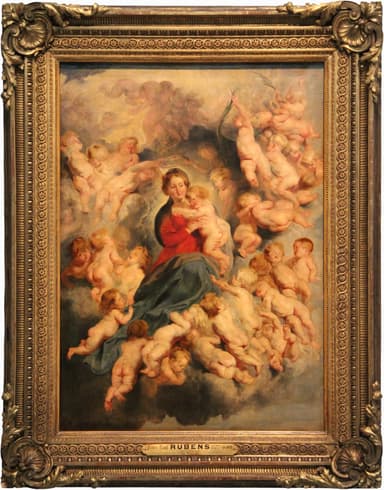
December 28
The Holy Innocents are remembered in a feast kept both sorrowful and triumphant around the newborn Christ.
Devotional card
St. Theodore of Tabenna
December 28
Theodore of Tabenna was a disciple of Pachomius who helped guide the monasteries of Egypt. Butler remembers his humility, care for the monks and cooperation with Orsisius.
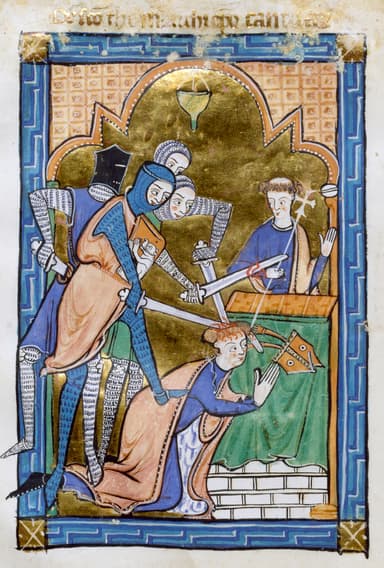
December 29
Becket is one of the fullest and most human saint portraits in the tradition. He begins as a brilliant court man, becomes an archbishop who knows exactly what the cost of conscience will be, and ends in blood inside his own cathedral.
Devotional card
St. Marcellus of the Akoimetoi
December 29
Marcellus governed the monastery of the Akoimetoi near Constantinople. Its successive choirs maintained prayer through day and night while the monks shared the work of the community.
Devotional card
St. Evroul of Ouche
December 29
Evroul, also called Ebrulf, left court service for monastic life in Normandy. His community in the forest of Ouche combined prayer, work and care for those who sought conversion.
Devotional card
St. Egwin
December 30
Egwin is remembered as a stern bishop, a pilgrim under accusation, and the saint of Evesham's beginnings. The old local marvels remain, but the central memory is of a real reformer whose name stayed bound to one of England's great abbeys.
Devotional card
Ss. Sabinus and Companions
December 30
Sabinus and companions are honoured as martyrs in Umbria. Butler follows their traditional acts and also records Gregory the Great’s witness to the later honour paid to Sabinus’s relics.
Devotional card
St. Anysia of Thessalonica
December 30
Anysia was a Christian of Thessalonica killed while going to the assembly of the faithful. Butler recounts her refusal to be forced into pagan worship from the traditional Greek acts.
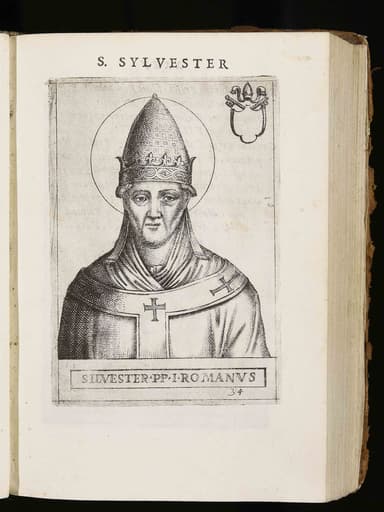
December 31
Silvester matters because of where he stands in Christian history.
Devotional card
St. Melania the Younger
December 31
Melania the Younger and her husband Pinian turned their wealth toward religious life and works of mercy. Her later life at Jerusalem joined prayer, study and the care of a community of women.
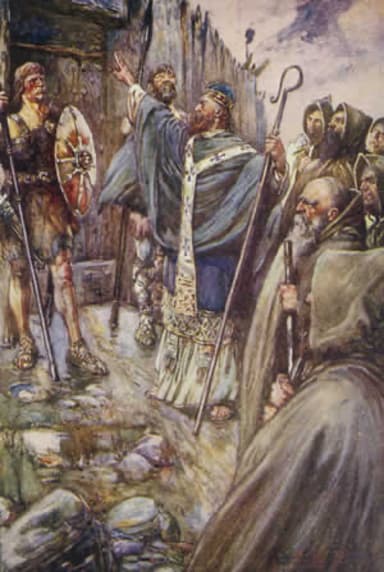
December 31
Columba is remembered as a virgin and martyr at Sens. Butler’s short notice records the veneration of her relics and an early chapel bearing her name at Paris.