November 1
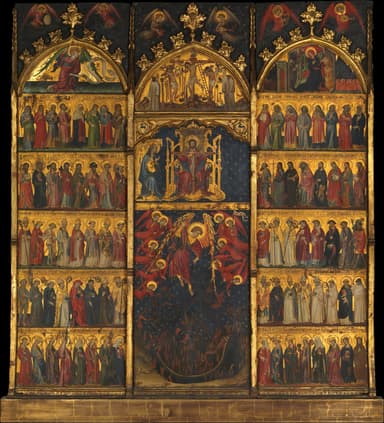
All Saints
This is a feast rather than a single life, and its main point is simple and strong: holiness is for famous and hidden figures alike.
Lives Of The Saints
Browse the saints listed for November. Each entry links to the full life.
Showing 113 saints grouped by feast month.
113 saints listed
November 1
This is a feast rather than a single life, and its main point is simple and strong: holiness is for famous and hidden figures alike.
Devotional card
St. Marcellus of Paris
November 1
Marcellus served as reader, priest and bishop at Paris. Butler remembers his humility and pastoral care while cautioning about the later serpent story associated with him.
Devotional card
St. Caesarius of Terracina
November 1
Caesarius was a deacon from Africa remembered as a martyr at Terracina. Butler distinguishes his ancient liturgical remembrance from the weak authority of the later acts.
Devotional card
St. Mary the Martyr
November 1
Mary was an enslaved Christian woman at Rome who endured punishment rather than renounce her faith. Butler explains why she is honoured as a martyr although she escaped execution.
Devotional card
St. Austremonius of Auvergne
November 1
Austremonius is remembered for preaching the Christian faith in Auvergne. Butler cites Gregory of Tours and records the later veneration of his relics at Issoire and Mauzac.
November 2
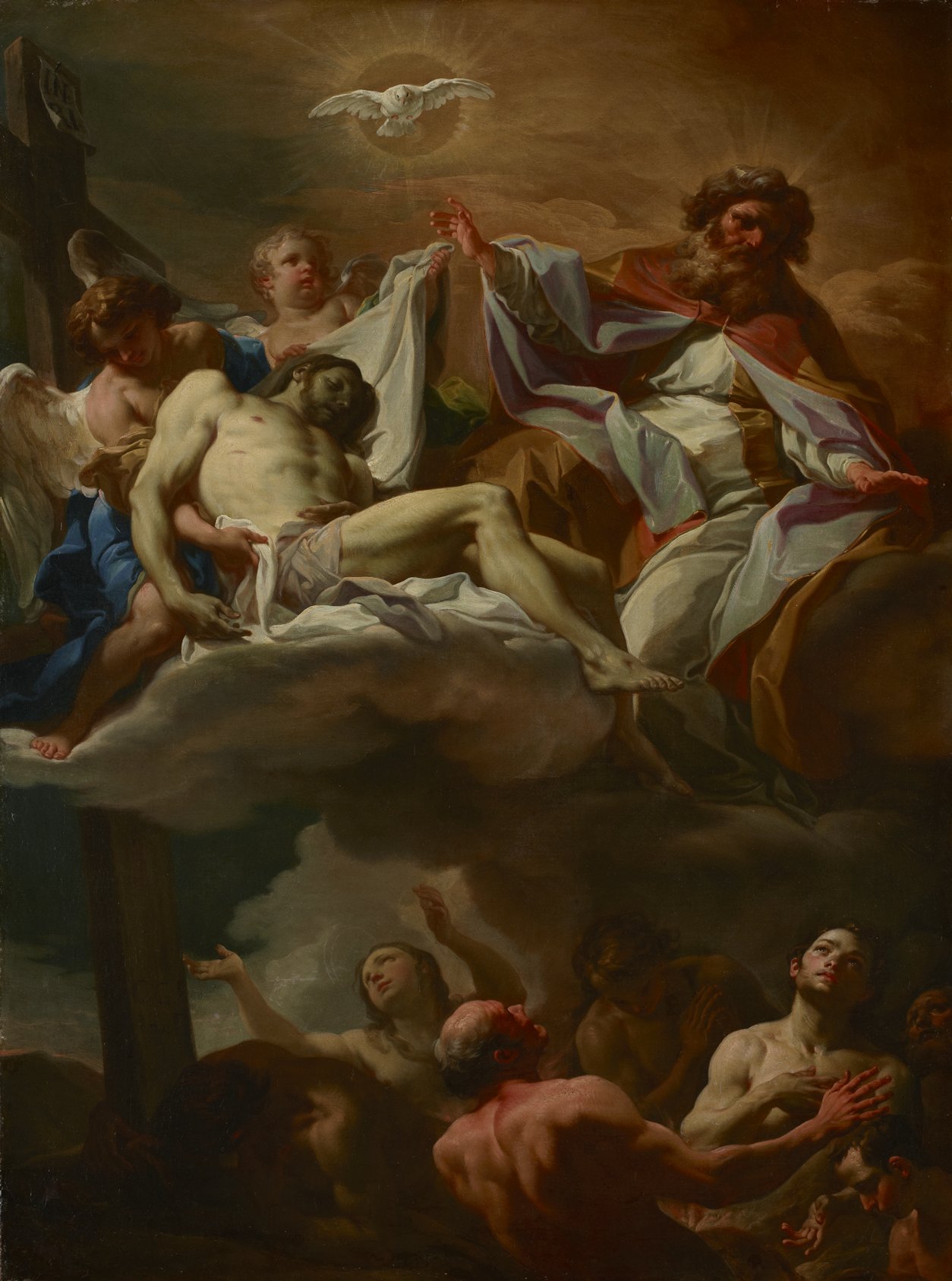
This is a commemoration rather than a single saint’s life, but it belongs naturally beside the saints because it shows the Church’s love for the souls still on the way to full glory.
Devotional card
St. Victorinus of Pettau
November 2
Victorinus, bishop of Pettau, wrote biblical commentaries and works against heresy. Butler relies on St. Jerome’s testimony to his learning and martyrdom without treating the proposed death year as certain.
Devotional card
St. Marcian of Cyrrhus
November 2
Marcian left court life for the Syrian desert. His prayer and teaching helped form a monastic community, though he remained reluctant to receive public honour.
Devotional card
St. Vulgan of Lens
November 2
Vulgan is honoured as patron of Lens in Artois. Butler associates him with preaching and retirement near Arras, while recording disagreements about his origin and chronology.
November 3
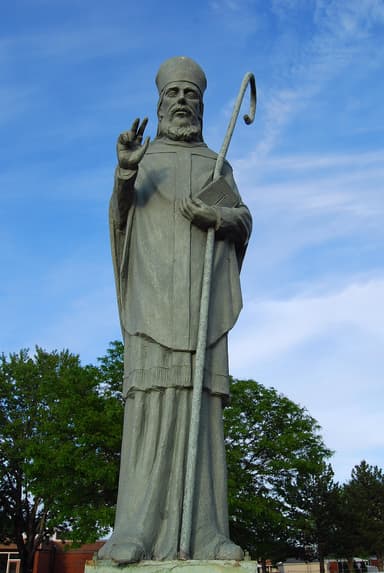
St. Malachy is remembered as a saint of renewal under pressure.
November 3
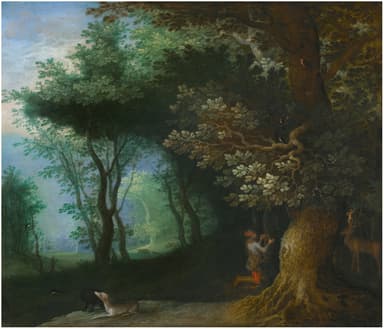
Hubert of Liège was an eighth-century missionary bishop; his famous stag vision entered the tradition later from the legend of St. Eustace.
November 3
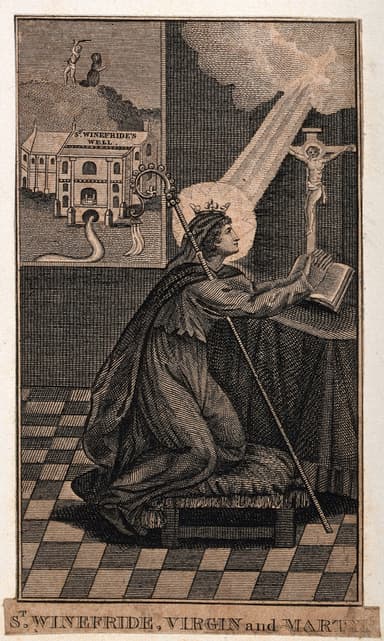
Winifred of Holywell was the Welsh patron whose beheading legend is hagiographical in its specific elements but whose holy well and its unbroken pilgrimage from the seventh century to the present are historical facts of the first order.
Devotional card
St. Papoul of Lauragais
November 3
Papoul is remembered as a priest and martyr in Lauragais near Toulouse. Butler associates his preaching with Saturninus and records the church and abbey bearing his name.
Devotional card
St. Rumwald
November 3
Rumwald was a young child whose shrine was honoured at Buckingham. Butler records the earlier burial at Sutthun and translation to Brackley, naming him patron of both towns.
November 4
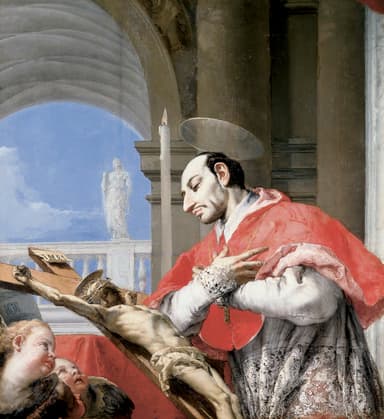
St. Charles Borromeo (1538-1584) was an Italian cardinal and archbishop of Milan. He helped carry out the Council of Trent's reforms, trained priests, and organized care during famine and plague.
Devotional card
Ss. Vitalis and Agricola
November 4
Vitalis, who was enslaved, and Agricola, a freeman, suffered martyrdom at Bologna. St. Ambrose’s account preserves their common faith and the later veneration of their relics.
Devotional card
St. Joannicius
November 4
Joannicius left military service for monastic life in Bithynia. After repenting of his earlier opposition to holy images, he became a defender of their veneration and a guide to other religious.
Devotional card
St. Clarus of Vexin
November 4
Clarus was an English priest who lived and preached in the French Vexin. The traditional account honours him as a martyr of chastity, and his shrine became a place of pilgrimage.
November 5
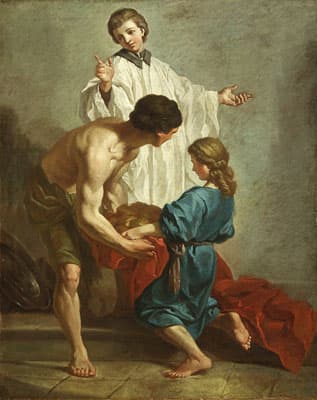
St. Martin de Porres is remembered as gentle, useful, and deeply real. His sanctity was not distant or decorative, but expressed in lowly work, practical mercy, and steady love for people others might ignore.
November 5
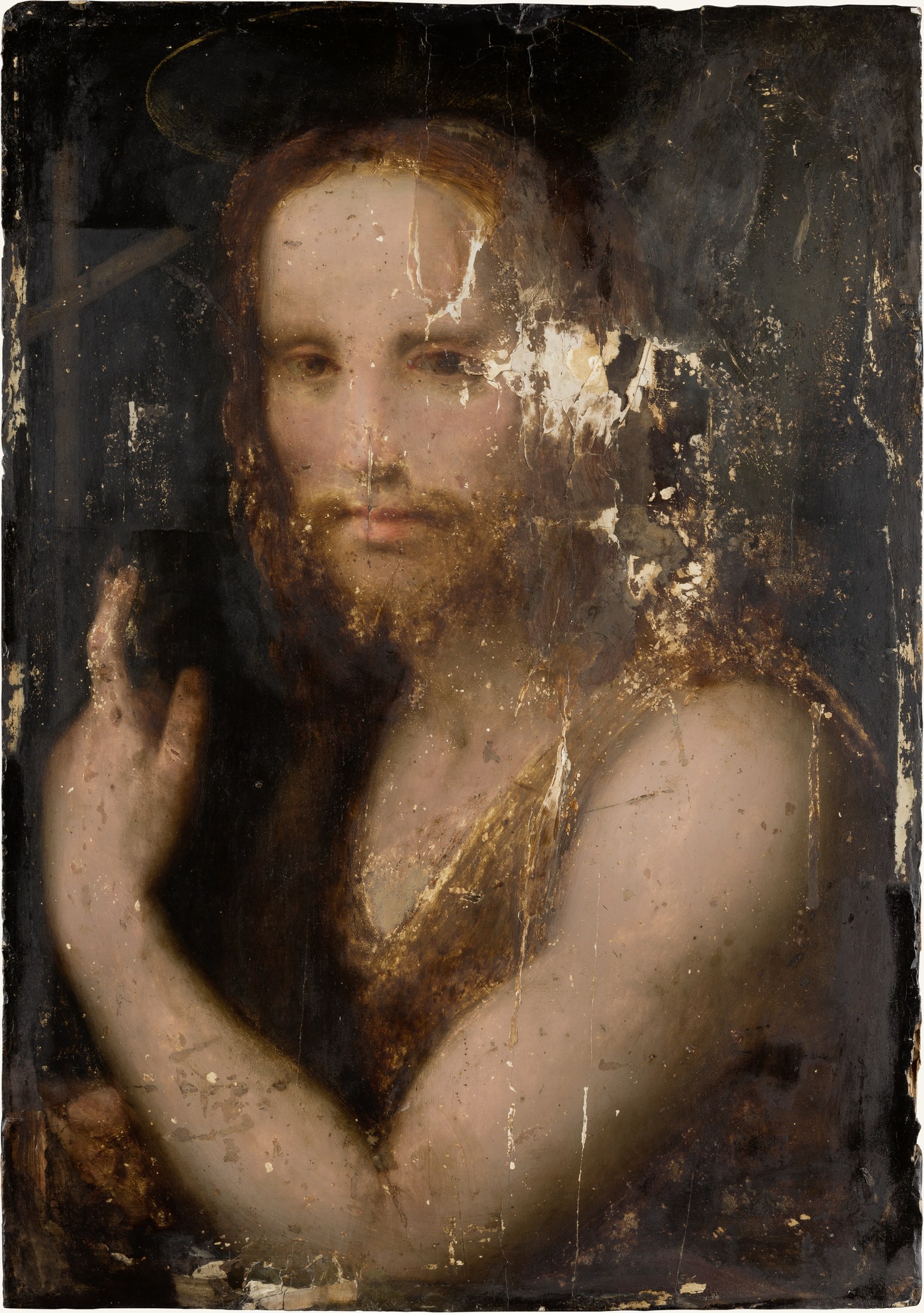
Elizabeth, mother of John the Baptist, is known principally through Luke's infancy narrative, where her recognition of the Virgin at the Visitation — spoken under the inspiration of the Holy Spirit, since she could not have known by natural means — makes her the first person to address Mary with the blessing that the tradition has never since ceased to repeat.
Devotional card
St. Bertilla of Chelles
November 5
Bertilla served at Jouarre in hospitality, care of the sick, and education before becoming abbess of Chelles. There she guided a community that included Queen Bathild.
November 6
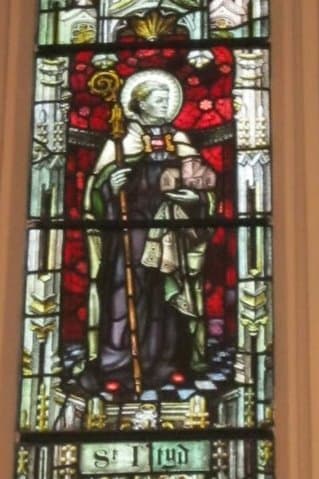
St. Illtud is remembered as a saint whose exact biography is hard to recover, but whose importance is still real.
Devotional card
St. Leonard of Noblat
November 6
Leonard of Noblat was particularly invoked for prisoners. Butler records the churches and devotion attached to his name while warning that his detailed life was written long after his death.
Devotional card
St. Winnoc
November 6
Winnoc was a monk of St. Bertin who became superior at Wormhout, where the community cared for poor sick people. Butler remembers his manual labour, service in the hospital, and the later preservation of his relics at Bergues.
November 7
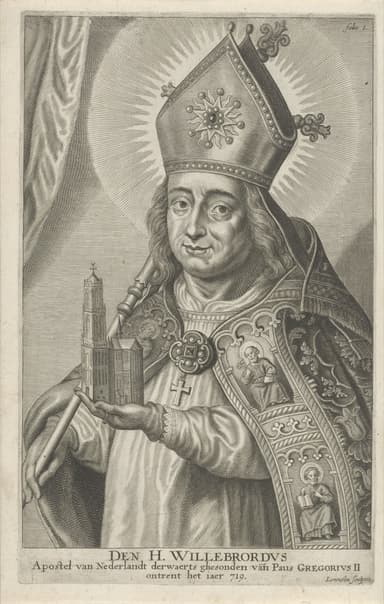
Willibrord was a patient missionary builder. He crossed from England to Frisia, accepted years of instability and reversal, and kept preaching, founding, and returning until the faith had real roots there.
Devotional card
St. Prosdocimus of Padua
November 7
Prosdocimus is honoured as the first bishop of Padua. Butler records the traditional account of his early mission and the continuing veneration of his remains at St. Justina’s.
Devotional card
St. Werenfrid of Elst
November 7
Werenfrid was an English monk who assisted Willibrord’s mission in the Netherlands. Butler remembers his preaching in the Betuwe and his burial at Elst.
November 8
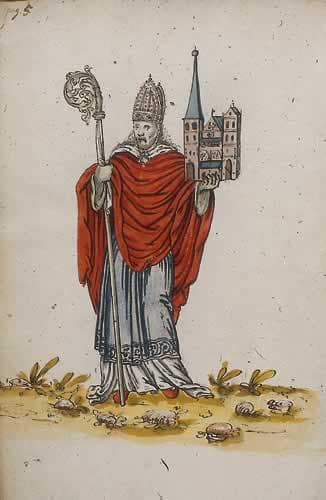
Willehad preached on a difficult frontier, accepted repeated setbacks, and then helped build the Church at Bremen with quiet steadiness.
Devotional card
The Four Crowned Martyrs
November 8
An ancient Roman church preserves the memory of the Four Crowned Martyrs. Their tradition became associated with five craftsmen said to have refused to carve pagan images.
Devotional card
St. Godfrey of Amiens
November 8
Godfrey was abbot of Nogent before becoming bishop of Amiens. Butler remembers his personal service of the poor and people with leprosy, his efforts to reform religious life, and his refusal to prefer a richer abbey to his own community.
November 9
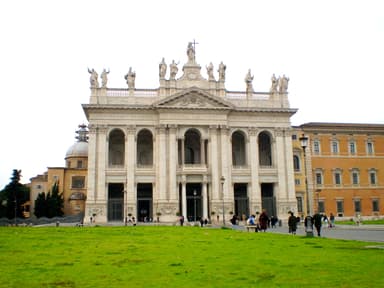
This is a feast rather than a single saint’s life, but it is a strong and important one. It connects a real church building, the history of Christian worship, and a spiritual lesson about our own souls.
Devotional card
St. Theodore Tyro
November 9
Theodore Tyro was a young soldier and martyr at Amasea. St. Gregory of Nyssa preached at his shrine.
Devotional card
St. Mathurin of Larchant
November 9
Mathurin is remembered as a priest and patron of Gâtinais. His shrine at Larchant drew pilgrims, and a Paris church bearing his name gave the French Trinitarians the name Mathurins.
Devotional card
St. Vitonus of Verdun
November 9
Vitonus, or Vanne, was a monk before becoming bishop of Verdun. A later Benedictine reform congregation took its name and patronage from the abbey dedicated to him.
Devotional card
St. Benignus of Armagh
November 9
Benignus, or Binen, was an early bishop of Armagh associated with St. Patrick. Butler’s short notice emphasizes his piety, gentleness and retirement from the see.
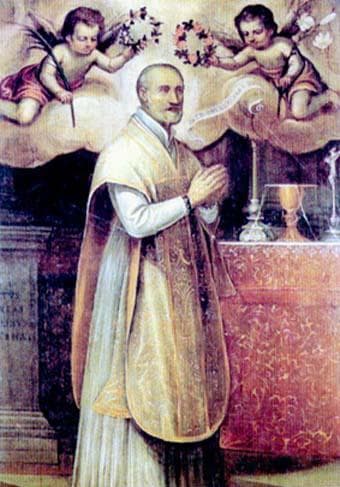
November 10
Andrew Avellino was a priest of deep conversion and stern reform.
Devotional card
St. Justus of Canterbury
November 10
Justus came to England with the Gregorian mission, became the first bishop of Rochester, and later succeeded Mellitus at Canterbury. He consecrated Romanus for Rochester and Paulinus for York.
Devotional card
Ss. Milles, Abrosimus and Sina
November 10
Milles, a Persian bishop, suffered with the priest Abrosimus and the deacon Sina under Shapur II. They refused sacrifice to the sun despite imprisonment and torture.
Devotional card
Ss. Trypho, Respicius and Nympha
November 10
Trypho and Respicius are remembered as martyrs in Bithynia. Nympha, a virgin who died in peace, is commemorated with them because their relics were kept together at Rome.
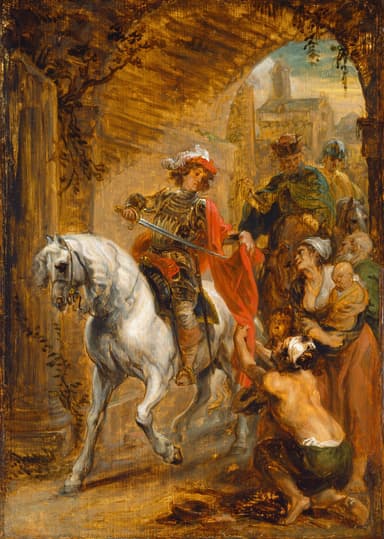
November 11
St. Martin of Tours, the soldier who divided his cloak for a beggar, became a monk, a reluctant bishop, and one of the first great saints not martyred for the faith.
Devotional card
St. Menas the Soldier
November 11
Menas was an Egyptian soldier martyred at Cotyaeum in Phrygia. Butler records his confession of Christ and cautions against confusion with another martyr of the same name.
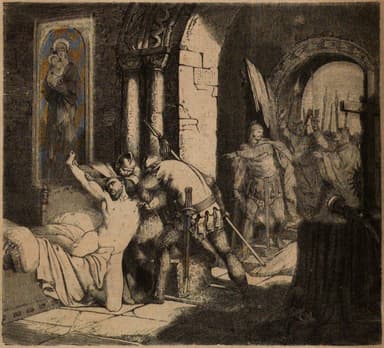
November 12
Martin I was a pope who suffered for refusing doctrinal compromise. Seized, humiliated, and exiled for defending the truth about Christ, he became a confessor-martyr whose strength was shown most clearly in abandonment and loss.
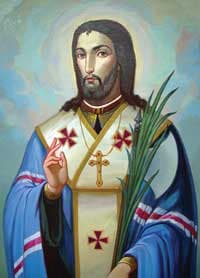
November 12
Josaphat Kuntsevych was the Archbishop of Polotsk who was killed by a mob at Vitebsk in 1623 for walking toward his attackers rather than fleeing — the first Eastern-rite Catholic saint formally canonized by Rome.
Devotional card
St. Theodore the Studite
November 12
Theodore renewed the monastery of Studios at Constantinople. He suffered exile and imprisonment in disputes with imperial rulers, especially during the controversy over sacred images, while continuing to guide and instruct his monks.
Devotional card
St. Lebuin of Deventer
November 12
Lebuin was an English missionary associated with Utrecht and Deventer. Butler remembers his preaching, the rebuilding of his church after its destruction and his veneration as Deventer’s patron.
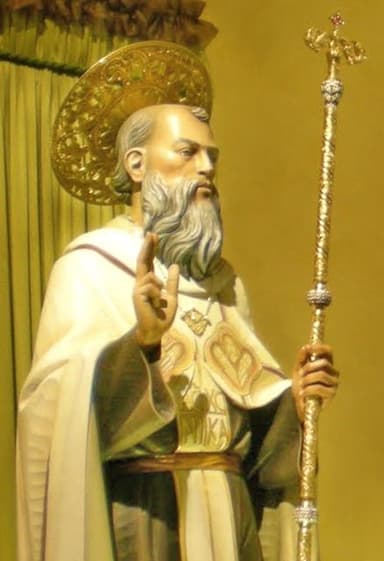
November 12
Nilus the Elder is remembered as an early Christian ascetic and spiritual writer. Butler’s account joins his retirement from public life to counsel on humility, prayer and charity.
Devotional card
St. Livin of Flanders
November 12
Livin is remembered as an Irish missionary bishop in Flanders. Butler follows the traditional account of his prayer at Ghent, preaching near Alost and Hautem, and martyrdom.
November 13
Nicholas I was a strong pope who used authority to defend truth, marriage, justice, and the weak. His firmness was not coldness, but a form of pastoral courage joined to real care for the poor and for the good order of the Church.
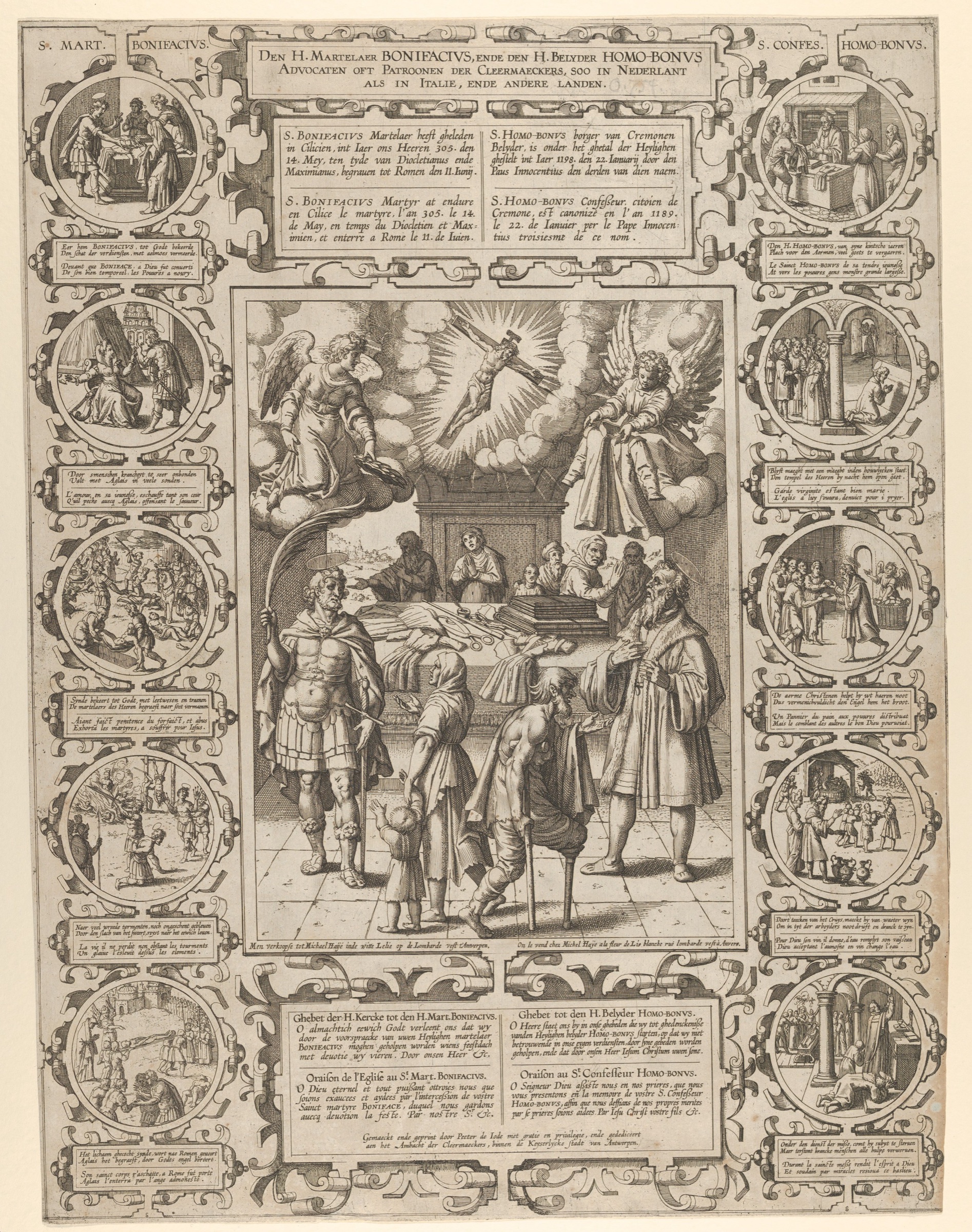
November 13
St. Homobonus was a married merchant in twelfth-century Cremona, northern Italy. Remembered for honest business, prayer, and care for the poor, he died during Mass on November 13, 1197.
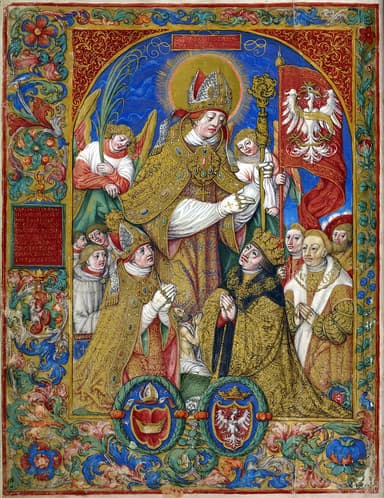
November 13
Stanislaus Kostka persevered in his vocation despite family opposition. Peter Canisius sent him to Rome, where Francis Borgia received him into the Jesuit novitiate.
Devotional card
St. Didacus of Alcalá
November 13
Didacus, or Diego, was a Franciscan lay brother known for prayer, manual work and service to sick friars. He served in the Canary Islands and died at Alcalá in 1463.
Devotional card
St. Brice of Tours
November 13
Brice succeeded St. Martin as bishop of Tours after a difficult beginning in religious life. Butler recalls his conversion, exile and restoration to his see.
Devotional card
St. Mitrius of Aix
November 13
Mitrius is remembered as a martyr at Aix in Provence and the city’s principal patron. Butler cites Gregory of Tours while warning that no authentic acts of his suffering survive.
Devotional card
St. Chillen of Artois
November 13
Chillen, also called Killian, was an Irish priest associated with Fiaker and Faro of Meaux. Butler remembers his pilgrimage to Rome and missionary preaching in Artois.
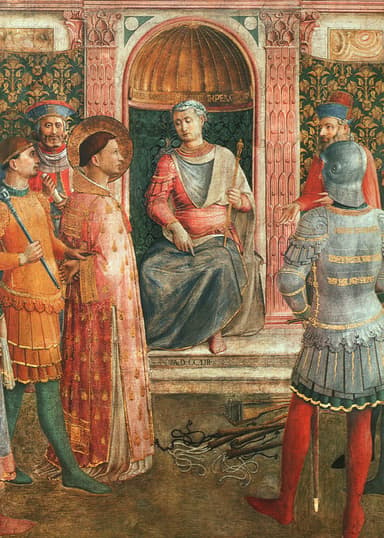
November 14
Laurence O'Toole was a monk and archbishop who remained prayerful, charitable, and steady in the middle of invasion and national crisis.
Devotional card
St. Dubricius
November 14
Dubricius is remembered as an early Welsh bishop and teacher associated with schools beside the River Wye. Butler connects Samson and Teilo with his instruction and describes his later retirement to Bardsey Island.
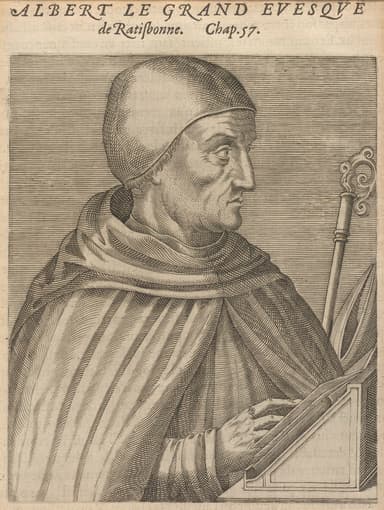
November 15
Albert the Great was a vast scholar, teacher, Dominican, and bishop whose mind was wholly placed at the service of God. He helped shape the intellectual life of the Church without ever becoming a merely abstract thinker.
Devotional card
St. Leopold of Austria
November 15
Leopold, margrave of Austria, is remembered for care of the poor, the exercise of justice and religious foundations supported with his wife Agnes. Butler also retains the difficult political setting of his public life.
Devotional card
St. Malo of Aleth
November 15
Malo, or Maclou, was an early bishop of Aleth in Brittany. Butler describes his education, retirement under the guidance of Aaron, and the later transfer of his relics to the city that bears his name.
Devotional card
St. Eugenius of Paris
November 15
Eugenius is remembered as a martyr associated with Denis of Paris. Butler records the later translation of his relics to Toledo and distinguishes him from its learned archbishop.
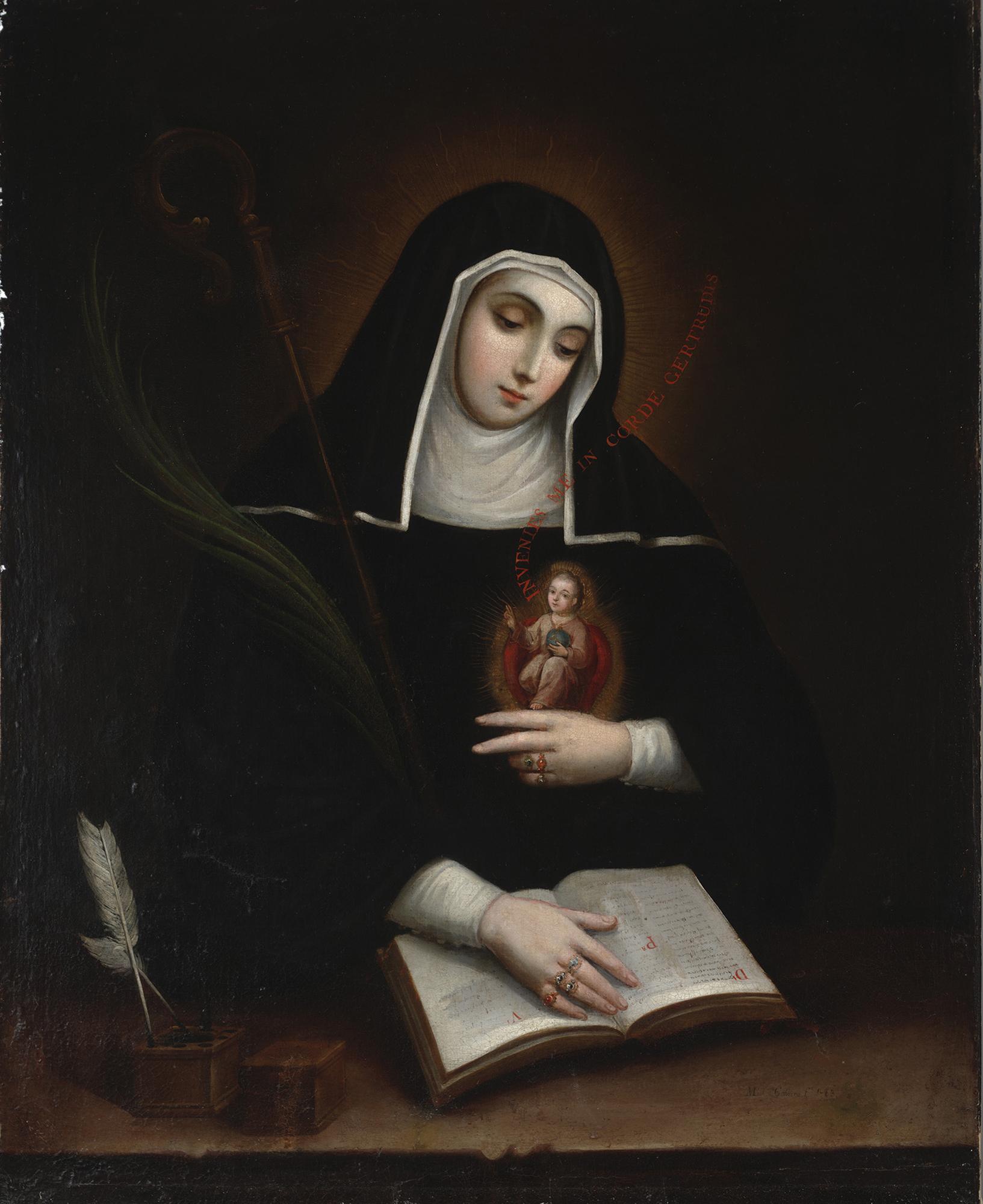
November 16
Gertrude was deeply prayerful, intelligent, and inwardly transformed.
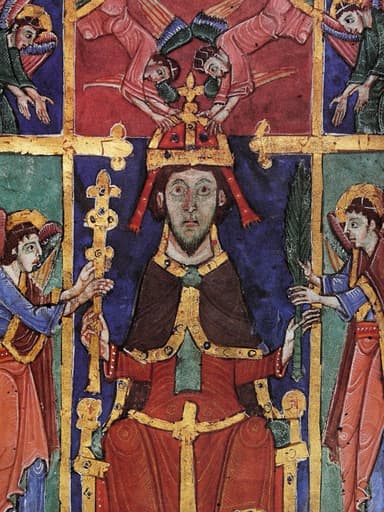
November 16
Edmund Rich of Abingdon became archbishop of Canterbury. His life joined learning, prayer and pastoral responsibility.
Devotional card
St. Eucherius of Lyon
November 16
Eucherius was a husband and father before retiring to the religious communities near Lérins. A spiritual and scriptural writer, he later became bishop of Lyon and attended the Council of Orange in 441.
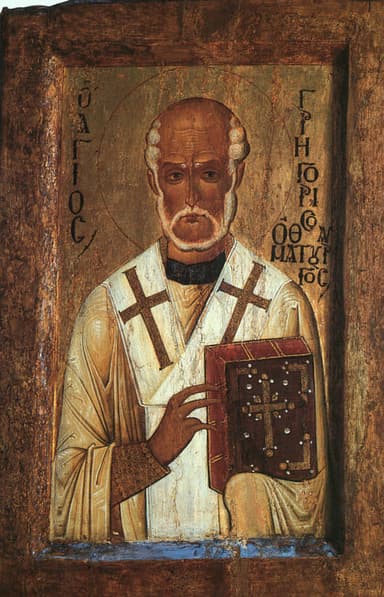
November 17
Gregory the Wonderworker was a learned convert and a missionary bishop of the early Church. His preaching, prayer, miracles, and pastoral steadiness made him one of the great evangelizing bishops remembered by Christian antiquity.
Devotional card
St. Gregory of Tours
November 17
Gregory became bishop of Tours in 573. Butler remembers his defence of other pastors and pleas for mercy, as well as the historical writings that preserve much of the life of the early Frankish Church.
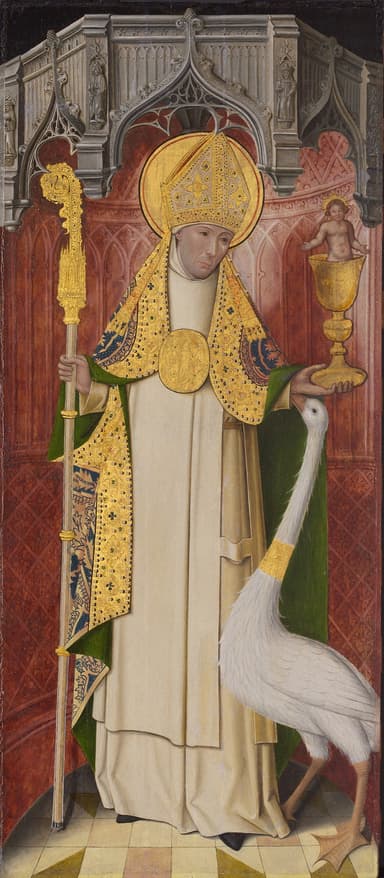
November 17
Hugh came from the Grande Chartreuse to lead Witham and later became bishop of Lincoln. Butler describes his personal care of the poor, fidelity to prayer and firmness with rulers and royal officers.
Devotional card
St. Anian of Orléans
November 17
Anian, or Agnan, was bishop of Orléans during Attila’s invasion. He sought military assistance and encouraged the people to pray and defend the city.
Devotional card
St. Hilda of Whitby
November 17
Hilda guided the communities at Hartlepool and Whitby. Princes and bishops sought her counsel, and her monastery formed future pastors.
Devotional card
St. Dionysius of Alexandria
November 17
Dionysius led the Church of Alexandria through persecution, exile and disputes over reconciliation. Butler remembers a learned bishop who taught the faith and cared for Christians in distress.
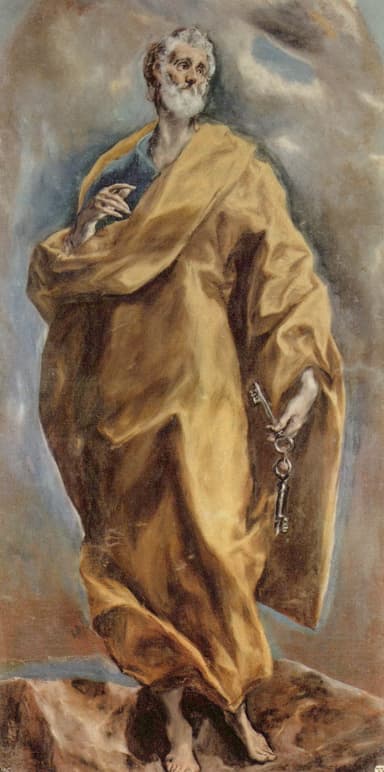
November 18
This is a feast rather than a single saint's life, but it is a rich and substantial one.
Devotional card
St. Odo of Cluny
November 18
Odo passed from a canonry at Tours to the monastic life under Berno. As abbot of Cluny he promoted faithful Benedictine observance, with particular attention to silence, humility and prayer.
Devotional card
Ss. Alpheus and Zacchaeus
November 18
Alpheus, a lector and exorcist, and Zacchaeus, a deacon, suffered imprisonment and martyrdom in Palestine. Butler follows Eusebius and distinguishes their account from the other martyrs in the same notice.
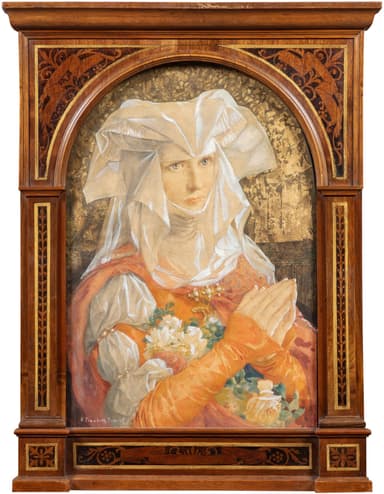
November 19
St. Elizabeth of Hungary (1207-1231) was a wife and mother in Thuringia, in present-day Germany. The Hungarian princess cared for the poor and sick, especially as a young widow at Marburg.
Devotional card
St. Barlaam of Antioch
November 19
Barlaam was a country labourer imprisoned at Antioch during persecution. Butler draws on ancient panegyrics to describe his refusal to offer sacrifice and the attempt to force the appearance of compliance.
Devotional card
St. Pontian
November 19
Pontian governed the Roman Church before being exiled to Sardinia under Maximinus. Butler honours his death in exile while leaving its precise manner open.
November 20
Edmund is one of those English royal saints whose memory rests partly on firm history and partly on a beloved tradition that grew around it. That distinction is not flattened.
November 20
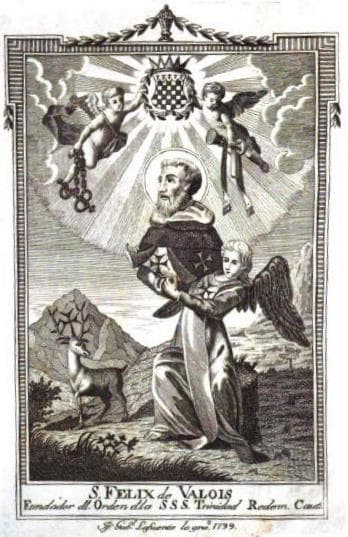
Felix of Valois was the forest hermit who encountered John of Matha and together with him founded the Trinitarians — the order dedicated to ransoming Christian captives — before returning to Cerfroid to die in the community he had helped create.
Devotional card
St. Bernward of Hildesheim
November 20
Bernward served at the imperial court before becoming bishop of Hildesheim. His ministry combined prayer, the care of his city, church building and sacred art, including works that taught the events of Scripture.
Devotional card
St. Humbert of East Anglia
November 20
Humbert was a bishop of the East Angles associated with St. Edmund. Butler’s brief notice remembers his part in Edmund’s coronation and his later martyrdom.
Devotional card
St. Maxentia of Pont-Sainte-Maxence
November 20
Maxentia is remembered as a virgin and martyr near the river Oise. Butler records her veneration at Pont-Sainte-Maxence and the differing local dates of her feast.
November 21
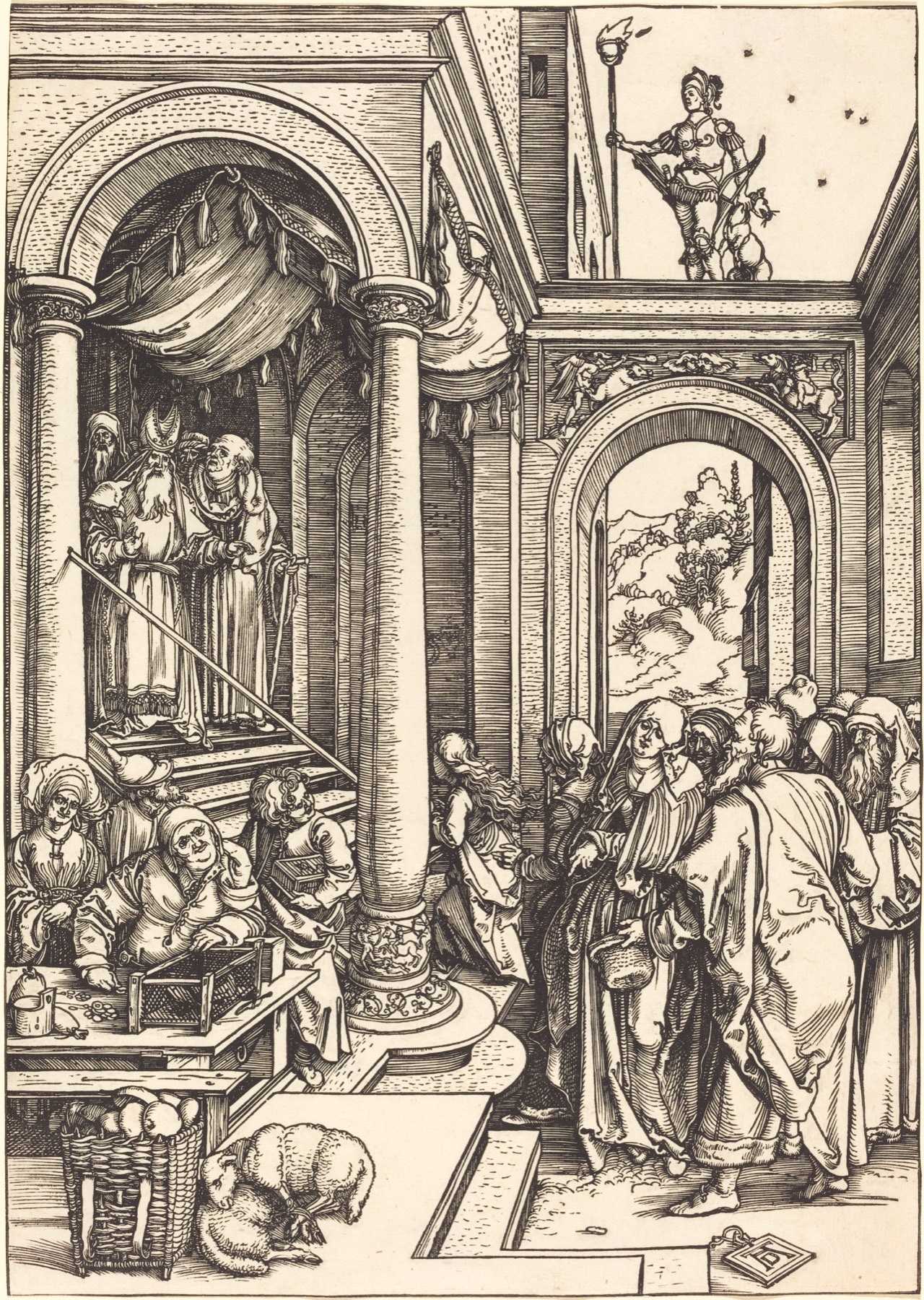
The Presentation keeps a beloved devotional tradition in view while clearly distinguishing it from the later liturgical history of the feast.
Devotional card
St. Columbanus of Bobbio
November 21
Columbanus left Bangor for Gaul and founded monasteries including Luxeuil. Driven from Burgundy after conflict with the court, he eventually founded Bobbio in Italy.
Devotional card
St. Gelasius I
November 21
Gelasius I governed the Church of Rome from 492 to 496. Butler emphasizes his learning, defence of doctrine and generous provision for the poor.
November 22
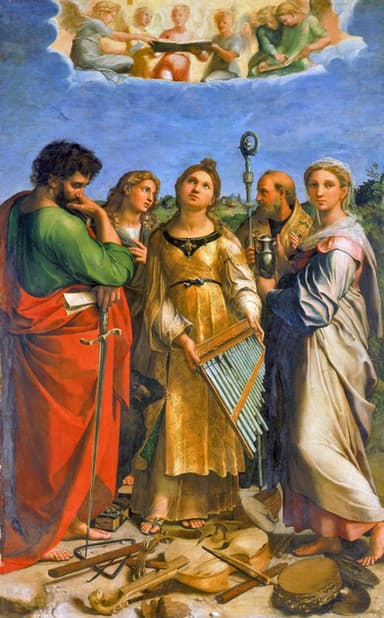
Cecilia comes to us in two layers at once: as one of the Church's most loved virgin martyrs, and as a saint whose famous story has to be held with caution. The devotion is not mocked.
Devotional card
Ss. Philemon and Apphia
November 22
Philemon and Apphia belonged to the Christian household at Colossae addressed by St. Paul. Butler’s reading centres on the apostle’s appeal for Onesimus and the work of Christian reconciliation.
November 23
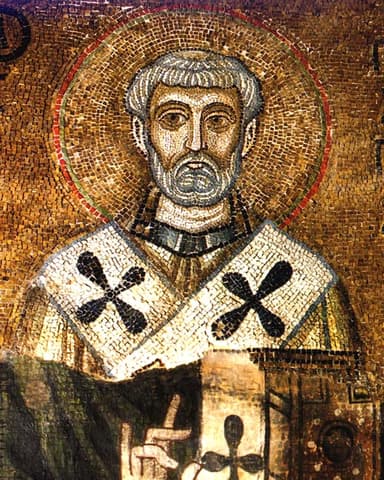
Clement comes through less as a figure of dramatic legend and more as an early church father whose real importance lies in his letter and in the witness it gives to Roman authority and Christian life at the end of the first century.
Devotional card
St. Amphilochius of Iconium
November 23
Amphilochius passed from the law and retirement in Cappadocia to the bishopric of Iconium. A friend and correspondent of Basil and Gregory Nazianzen, he defended the faith at councils and in his teaching.
Devotional card
St. Trudo of Hesbaye
November 23
Trudo, or Tron, received formation at Metz before returning to preach in Hesbaye. He founded a monastery on his own estate, remembered in the name Sint-Truiden.
Devotional card
St. Daniel of Bangor
November 23
Daniel is remembered as the first bishop of Bangor in Wales. Butler follows the foundation of his community near the Menai Strait and his place in the early Welsh Church.
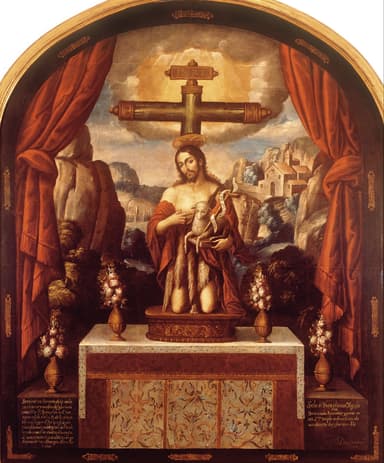
November 24
St. John of the Cross (1542-1591) was a Spanish Carmelite priest who helped St. Teresa of Avila reform religious life. His poetry and teaching explain the soul's growth in prayer and love of God.
Devotional card
Ss. Flora and Mary of Córdoba
November 24
Flora and Mary were Christian women martyred at Córdoba in 851. Flora had suffered pressure within her household; Mary was the sister of the martyr Walabonsus.
Devotional card
St. Cianan of Duleek
November 24
Cianan, or Kenan, was an early bishop associated with Duleek. Butler records traditional accounts of his formation, preaching and the stone church remembered there.
Devotional card
St. Chrysogonus
November 24
Chrysogonus is a martyr named in the Roman Canon of the Mass. Butler records his ancient liturgical remembrance and the Roman church bearing his name.
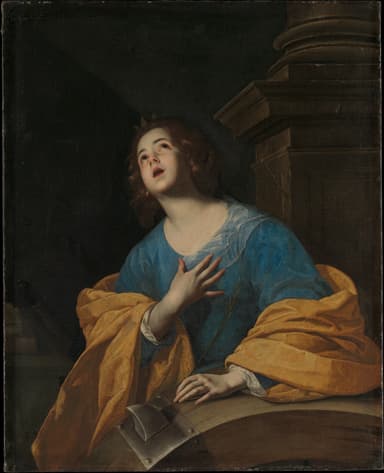
November 25
Catherine of Alexandria is one of the Church’s most beloved martyrs, but the famous legend around her rests on very weak historical ground.
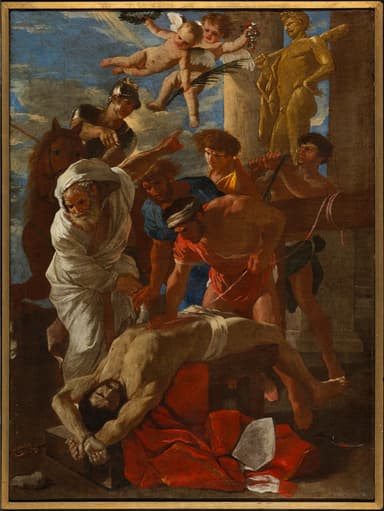
November 25
Butler remembers Erasmus as a bishop in Syria who withdrew to Mount Lebanon during persecution. His notice expressly distinguishes him from the Erasmus honoured on June 2.
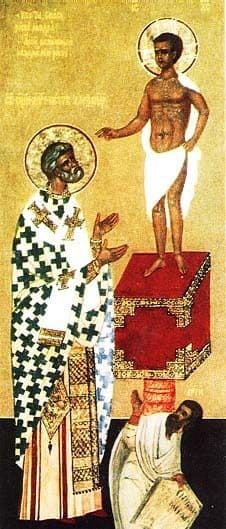
November 26
Peter of Alexandria is remembered as a bishop who had to hold the Church together under persecution and schism at the same time. His sanctity lies in leadership, steadiness, and martyrdom rather than in legendary ornament.
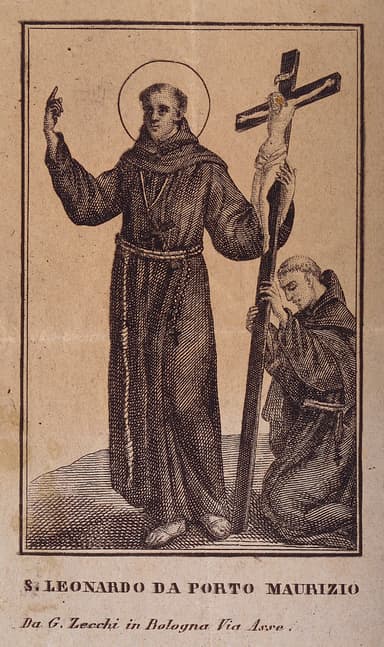
November 26
Leonard of Port Maurice was the great Franciscan mission preacher of eighteenth-century Italy — the man who erected over five hundred sets of Stations of the Cross, preached outdoor missions to thousands across Tuscany and Umbria, and was sent by Benedict XIV to pacify Corsica.
Devotional card
St. Sylvester Gozzolini
November 26
Sylvester left his canonry at Osimo for retirement and later established the community at Monte Fano. His monks followed the Rule of St. Benedict and became known as the Sylvestrines.
Devotional card
St. Nikon Metanoeite
November 26
Nikon, called Metanoeite from his summons to repentance, was a monk and preacher active in Armenia, Crete and Greece. Butler emphasizes prayer, a change of heart and perseverance in good works.
Devotional card
St. Conrad of Constance
November 26
Conrad was bishop of Constance and a friend of St. Ulrich of Augsburg. He devoted family property to churches and the poor while maintaining a life of prayer and pastoral service.
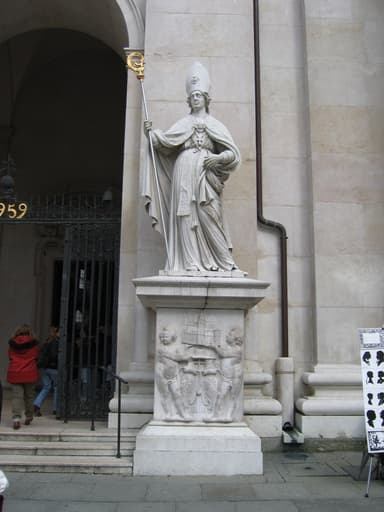
November 27
Virgil was a learned Irish missionary-bishop whose life was practical, pastoral, and surprisingly wide-ranging. He governed, preached, built, settled disputes, and helped carry the faith into new lands.
Devotional card
St. James Intercisus
November 27
James was a Persian courtier who abandoned the faith to retain royal favour. Recalled to repentance by his mother and wife, he publicly returned to Christ and suffered martyrdom rather than renounce Him again.
Devotional card
St. Maximus of Riez
November 27
Maximus was the second abbot of Lérins before becoming bishop of Riez. Butler remembers his generosity, monastic discipline and care of the people entrusted to him.
Devotional card
St. Maharsapor
November 27
Maharsapor was a Persian Christian imprisoned for his faith. Butler remembers his endurance through repeated examinations, a long confinement and death from hunger.
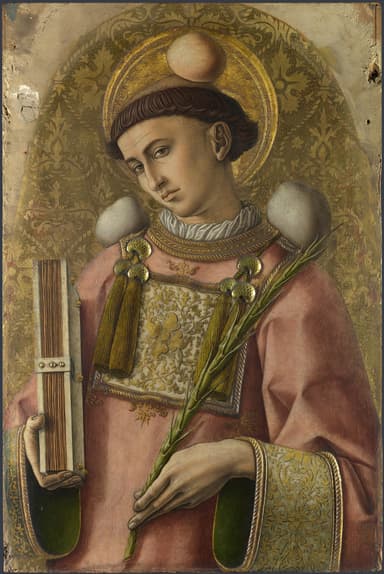
November 28
Stephen the Younger was a severe monk whose hidden life was forced into public witness. He was not martyred by pagans, but by a Christian empire that had turned its violence against monks and the defenders of sacred images.
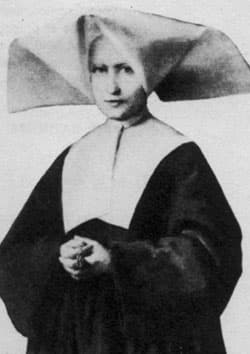
November 28
Catherine Labouré received the vision that produced the Miraculous Medal at twenty-four and kept it secret from everyone but her confessor for forty-six years.
Devotional card
St. James of the March
November 28
James of the March entered the Franciscans after study and secular employment. His long preaching ministry took him through Italy and central Europe, including missions associated with John Capistran.
November 29
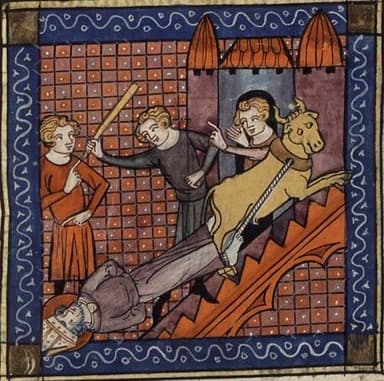
Saturninus is remembered through a martyr story more detailed than the evidence will fully support, but the ancient cult behind it is strong.
Devotional card
St. Radbod of Utrecht
November 29
Radbod was a learned cleric and religious poet who became bishop of Utrecht. Butler describes his austere household, generosity to the poor and departure from Utrecht during conflict.
November 29
Saturninus and Sisinnius are Roman martyrs named in Butler’s November 29 notice. This Saturninus is distinct from the bishop and martyr of Toulouse.
November 30
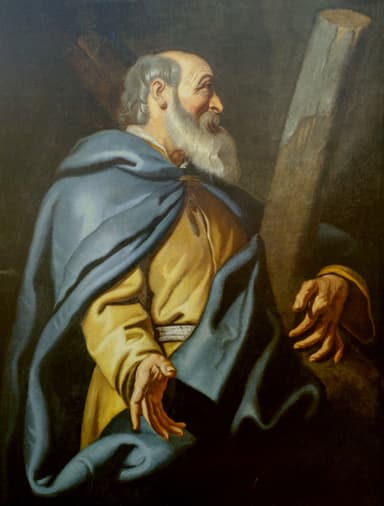
Andrew is remembered first as the apostle who heard Christ, followed Him, and then brought his brother. That pattern of receiving and handing on is more important than the later picturesque legends.
Devotional card
Ss. Narses and Joseph
November 30
Narses, an elderly Persian bishop, and his disciple Joseph refused the worship of the sun under Shapur II. Butler records their encouragement of one another before their execution.
Devotional card
Ss. Sapor, Isaac and Companions
November 30
Sapor and Isaac were bishops who suffered in Persia with Mahanes, Abraham and Simeon. Butler follows the older Syriac martyr accounts and distinguishes their different deaths.